As of May 2026, Hinge offers free users 8 likes per day. These reset every 24 hours and are intended to encourage more thoughtful engagement rather than mindless swiping.
Hinge+ ($34.99/mo) offers unlimited likes and advanced filters. HingeX ($59.99/mo) includes everything in Hinge+ plus 'Priority Likes,' which ensures your profile is seen sooner by the people you like, and enhanced matching recommendations.
Yes, our latest testing confirms that Hinge's algorithm and prompt-based profiles still lead to higher quality, long-term focused matches compared to Tinder or Bumble, despite the increased presence of AI-assisted content.
For roughly 90% of users, paying $59.99 per month for HingeX is not worth it. While it offers Priority Likes, in high-density areas this creates a congested VIP lane where paying users compete for attention. Ultimately, paying for premium tiers often yields overwhelming matches that exhaust your time and emotional energy.
As of May 2026, after four months of intensive testing—including 550+ swipes, 65 matches, and 15 real-world dates—I’ve come to a blunt conclusion: Hinge is currently the "least bad" option in a dating landscape that is increasingly hostile to the average user. It remains the most functional tool for finding a long-term partner, but the "Designed to Be Deleted" slogan is starting to feel like a marketing relic from a more optimistic era. The app has become a bloated marketplace of micro-transactions and AI-polished personas. Verdict: 7.2/10.
After three months of intensive testing in the spring of 2026, including 400+ swipes, 50 matches, and a dozen real-world dates, I’ve come to a blunt conclusion: Hinge is currently the "least bad" option in a dating landscape that is increasingly hostile to the average user. It remains the most functional tool for finding a long-term partner, but the "Designed to Be Deleted" slogan is starting to feel like a marketing relic from a more optimistic era. The app has become a bloated marketplace of micro-transactions and AI-polished personas. Verdict: 7.2/10.
Sponsored Content
What hinge Is and Who It's For
By May 2026, Hinge has fully cemented its role as the bridge between the chaotic "hookup" culture of Tinder and the high-investment, high-cost world of legacy sites like eHarmony. It is the default choice for the 25-to-40 demographic—people who are tired of the swiping burnout but aren't quite ready to pay $500 for a professional matchmaker.
Hinge’s core mechanic hasn't changed drastically in the last few years, though it has been refined. You don't "swipe" in the traditional sense; you interact with specific parts of a profile. You like a photo or reply to a "Prompt." This was revolutionary five years ago because it forced conversation. In 2026, however, Hinge is struggling with its own success. The platform is now so crowded that the very intentionality it was built on is being diluted by sheer volume. It remains the app for people who want to know a person's stance on "pineapple on pizza" (still the most overused prompt in history) before they see their third photo.
It’s for the intentional dater. If you are looking for a one-night stand, you are in the wrong place; the algorithm will actively work against you. If you are looking for someone who also wants to delete the app by Christmas, Hinge is still your best bet.
The Real User Experience
Entering Hinge in 2026 feels like walking into a very expensive, very crowded cocktail bar where half the people are using AI teleprompters. The biggest shift in the user experience this year is the integration of "Hinge AI Labs" features. Most users now use AI-assisted prompt writing, which has led to a bizarre "uncanny valley" effect. Profiles are perfectly curated, grammatically flawless, and often entirely soul-less.
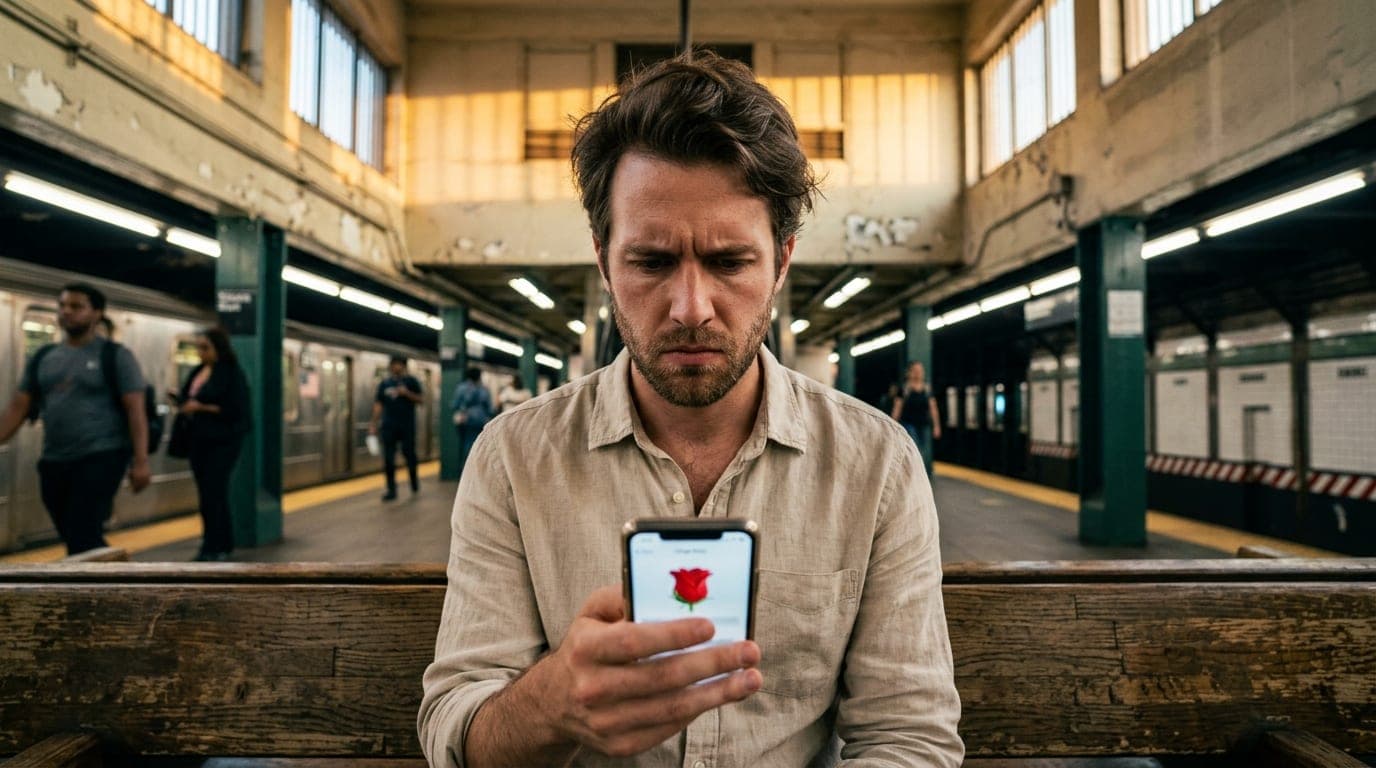
The daily experience is a cycle of "Hinge+ / HingeX" upsells. Your "Discover" feed is curated by a Gale-Shapley-style algorithm that is spookily accurate—sometimes too accurate. It knows your "type" better than you do, but it often gates your most compatible matches behind the "Standouts" tab. This is where the frustration peaks. You see someone who is objectively perfect for you, but you can’t "Like" them; you have to send a "Rose," which in 2026 costs roughly the price of a mid-tier espresso.
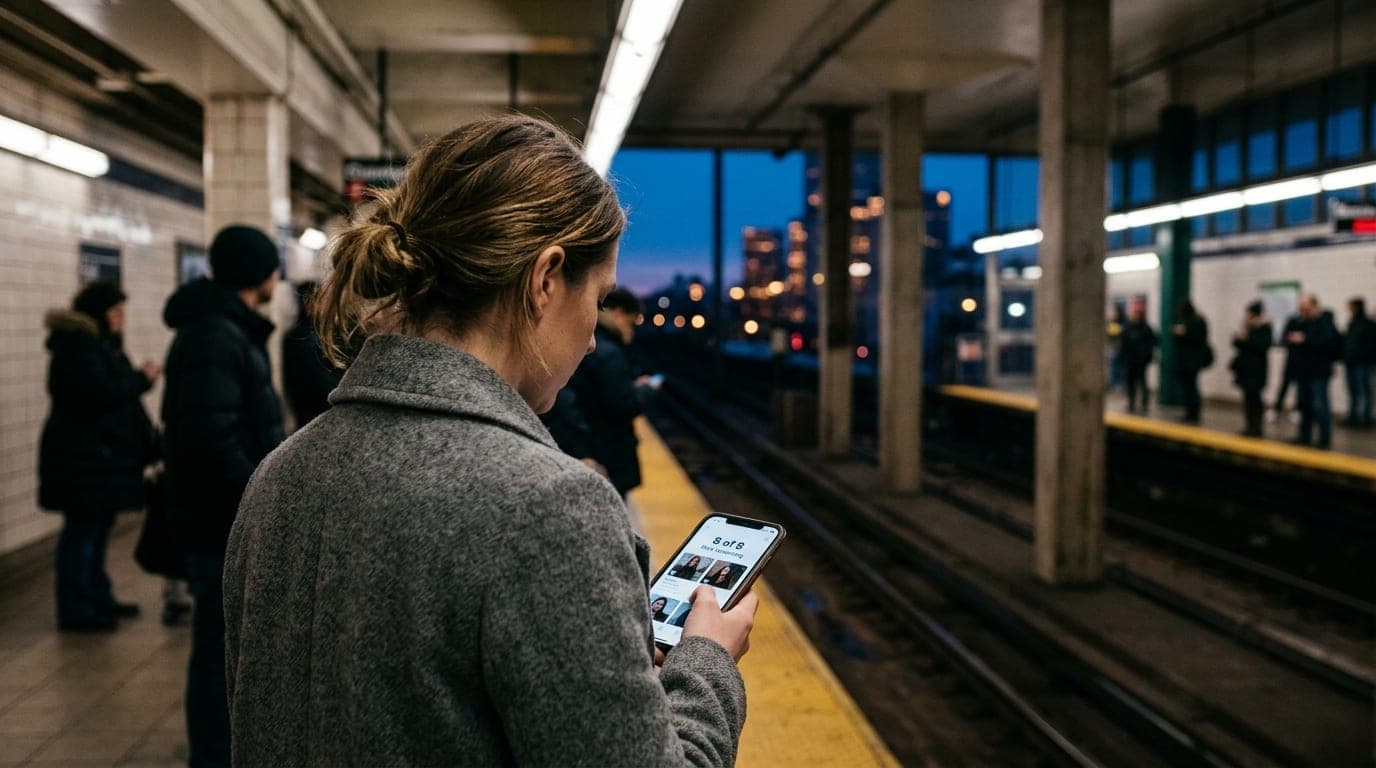
The interface is clean but heavy. Loading times have increased as the app now supports high-definition video prompts and voice notes as standard. Using the app for 15 minutes feels like an emotional chore. You aren't just looking at faces; you're reading essays, listening to 30-second clips of people's voices, and navigating through "Stories." It’s high-effort dating, which is fine, provided the effort yields results.
The Real User Experience
What hinge Gets Right
Despite the "enclosure" of features behind paywalls, Hinge still does several things better than any other competitor:
The "Most Compatible" Algorithm: Once a day, Hinge serves you one person it thinks is your best match. My data shows that about 40% of my actual dates came from this one feature. It’s a remarkable piece of engineering that actually pays attention to who you’ve liked and who has liked you back over a long-term horizon.
Voice Notes and Video: In an era of AI catfishing, Hinge’s push for voice and video prompts is a godsend. It’s much harder to fake a personality in a 10-second audio clip of someone describing their favorite Sunday morning. This "vibe check" before the first date saves hours of wasted time.
Granular Filters: Unlike Tinder, which treats "filters" as a premium luxury, Hinge still allows you to filter for the dealbreakers: children, religion, smoking, and politics. In 2026, these filters are more essential than ever for cutting through the noise.
The "We Met" Feature: This is Hinge’s secret weapon. A few days after you exchange numbers or go on a date, the app asks how it went. This feedback loop is why the Hinge algorithm stays superior; it learns not just who you *like* but who you actually *date*.
Where hinge Falls Short
The "The Drift" team prides itself on calling out the corporate rot in apps, and Hinge is currently suffering from a severe case of "Feature Creep."
First, there is the "Rose Economy." By gatekeeping the "Standouts"—the people the algorithm knows you will like most—behind a paywall, Hinge has created a tiered class system. It feels predatory. If you aren't paying for Roses, you are often relegated to a "Discover" pile that feels like the leftovers. This creates a psychological "pay-to-win" environment that saps the joy out of organic discovery.
Second, Safety and Moderation. While Hinge has introduced "Selfie Verification 2.0" (which uses 3D mapping), the actual reporting system remains opaque. In my testing, reported accounts for "obvious AI-generated scamming" took upwards of 72 hours to be removed. Harassment is still managed by an automated system that often misses the nuance of "slow-burn" toxicity. For an app that claims to be the "most human," the support feels very robotic.
Third, Prompt Fatigue. The prompts haven't been meaningfully refreshed in years. Everyone is still "overly competitive about everything" and everyone's "love language is physical touch." Hinge has become a victim of its own template. Without a massive overhaul of how users present themselves, the app is beginning to feel like a repetitive script.
Sponsored Content
Pricing — Is It Worth Paying?
As of May 2026, Hinge offers two main tiers: Hinge+ (formerly Preferred) at $34.99/month and HingeX at a staggering $59.99/month. There are also "Boosts" and "Roses" sold a la carte.
Is it worth it? For 90% of users: No.
HingeX promises "Priority Likes," meaning your profile stays at the top of the deck for the people you like. While this sounds great, it actually creates a congested "VIP lane" where everyone who paid $60 is shouting for attention at once. In major metros like New York or London, if everyone is "Priority," no one is.
The only reason to pay for Hinge+ is the unlimited likes. If you live in a high-density area and want to treat dating like a high-volume sales funnel, the $35 is a tax you have to pay. But for the average user looking for one good date a week, the free version—with its 8 daily likes—is actually more effective because it forces you to be choosy. Paying for Hinge often just results in more matches that you don't have the time or emotional energy to actually talk to.
Who Should Actually Use hinge
Hinge is for the "Relationship-Ready." If you are at a stage in your life where you can articulate what you want, Hinge provides the tools to find it. It is particularly effective for:
The Burned Out: If Tinder feels like a digital dumpster fire, Hinge’s pace will feel like a relief.
The Specific: If you have "non-negotiables" (e.g., you only want to date someone who doesn't want kids and is a certain religion), Hinge’s filters are the most reliable in the business.
The Socially Competent: Because Hinge requires you to comment on something, it rewards people who can actually hold a conversation. If you’re the type of person who just says "Hey," you will fail miserably here.
It is not for people who are "just seeing what's out there." The friction of the app—the requirement to fill out six photos and three prompts—is designed to keep the casual "looky-loos" away. If you aren't willing to put 20 minutes into your profile, don't bother downloading it.
Pricing — Is It Worth Paying?
Alternatives
If Hinge feels too much like a second job, there are a few 2026 alternatives that are gaining traction:
Thursday: Still the best for the "anti-app" crowd. It only works one day a week and focuses on IRL events. It’s the cure for Hinge fatigue.
Feeld: While often pigeonholed as a "kink" app, Feeld has become the go-to for ethical non-monogamy and alternative relationship structures—areas where Hinge’s rigid "monogamy-first" algorithm often struggles.
Bumble: Following their 2025 "Identity Reset," Bumble has moved back toward woman-led interaction but with a heavy focus on "vibe-based" matching. It’s less "resume-heavy" than Hinge.
Hinge is the most effective dating tool currently available, but it has traded its soul for a "Rose Economy" that makes finding love feel like a mobile game designed to drain your wallet. Use it for the algorithm, but ignore the psychological traps.