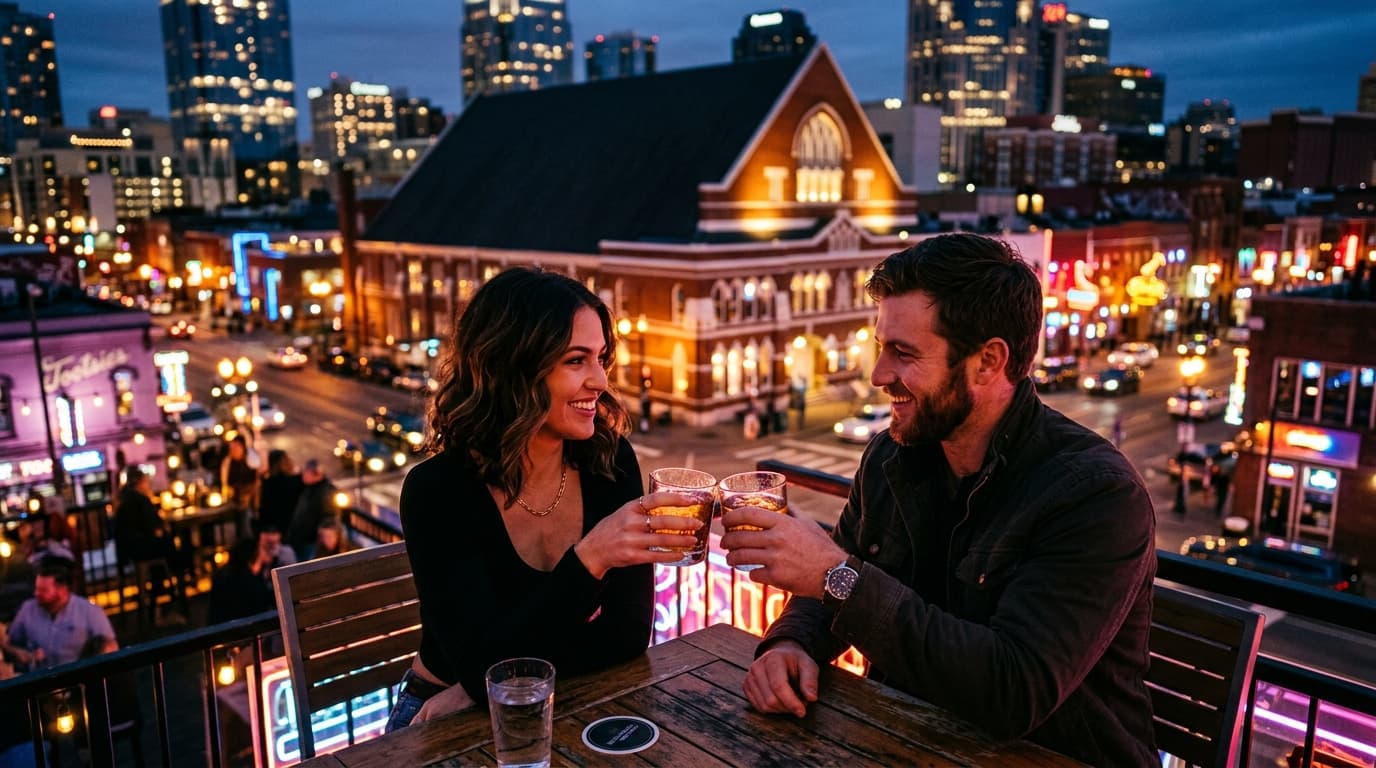
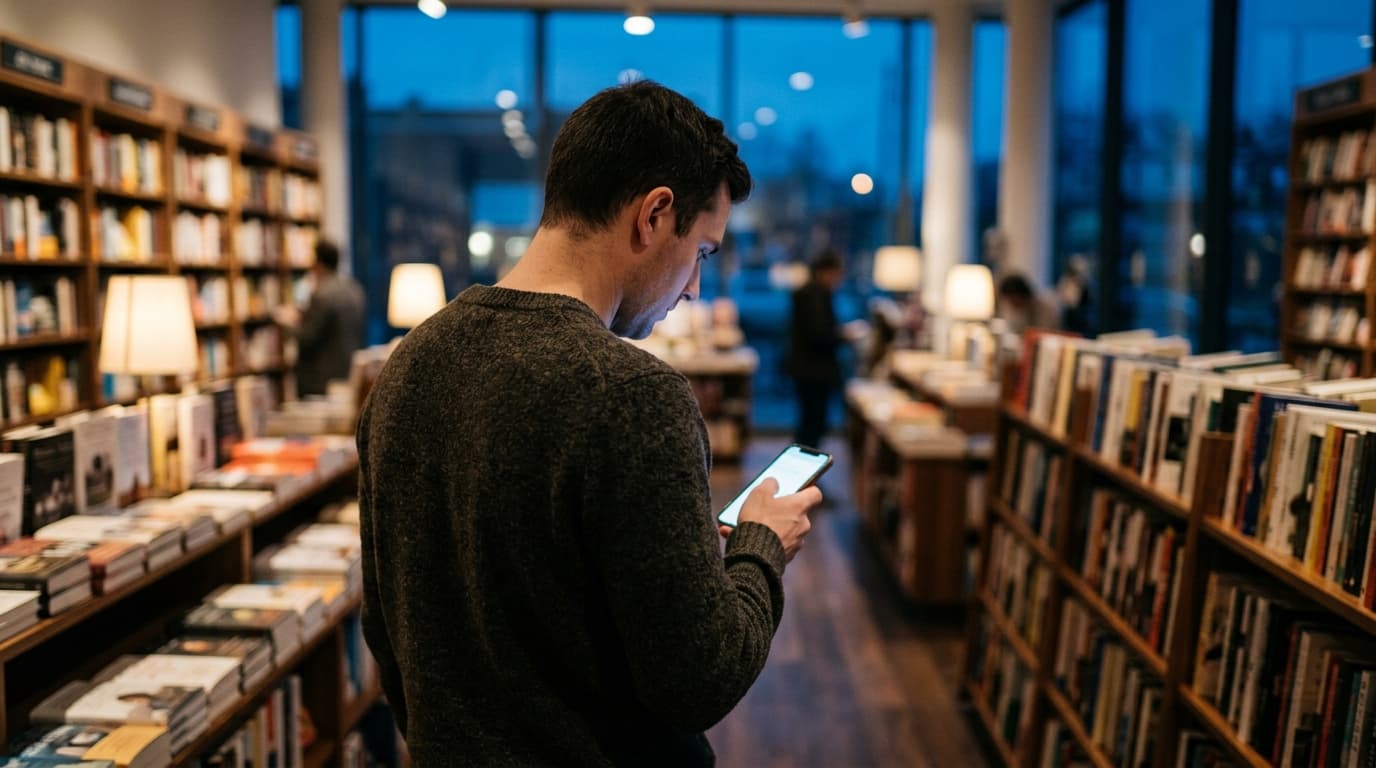
Welcome to the mid-2026 dating landscape, a world where AI wingmen write your openers and "vibe-check" video prompts are the only thing standing between you and a catfishing disaster. If you’re reading this at 11:30 PM while scrolling through a sea of faces that all seem to "love travel" and "not take themselves too seriously," you’re looking for a way out—or at least a way into someone’s weekend plans. As of July 2026, the digital dating market has consolidated into a two-horse race that feels more like a choice between a semi-formal dinner party and a loud, neon-lit rooftop bar. We’re talking about Hinge and Bumble, the two titans that have survived the "dating app fatigue" crisis by pivoting hard into niche features that either help you find a spouse or help you find a distraction for Thursday night.
Let’s cut the fluff: Hinge is still the reigning champion for anyone who actually wants to go on a date that results in a second date. It’s the app for the "intentional" dater—or at least the one who’s willing to put in ten minutes of effort to prove they aren’t a bot. Bumble, meanwhile, has undergone a massive identity crisis in the last few months, moving away from its "women-first" rigidness to try and capture the casual, fast-paced energy of the post-Tinder era. If you’re looking for the TL;DR before we dive into the gritty details: Hinge wins for quality, depth, and actual relationship potential. Bumble wins for sheer volume and the "I just moved to a new city and want to see who’s out there" energy. If you want to stop scrolling and start meeting, Hinge is your weapon of choice. If you want a dopamine hit and a wider net, keep Bumble on your home screen.
Welcome to the 2026 dating landscape, a world where AI wingmen write your openers and "vibe-check" video prompts are the only thing standing between you and a catfishing disaster. If you’re reading this at 11:30 PM while scrolling through a sea of faces that all seem to "love travel" and "not take themselves too seriously," you’re looking for a way out—or at least a way into someone’s weekend plans. As of April 2026, the digital dating market has consolidated into a two-horse race that feels more like a choice between a semi-formal dinner party and a loud, neon-lit rooftop bar. We’re talking about Hinge and Bumble, the two titans that have survived the "dating app fatigue" crisis by pivoting hard into niche features that either help you find a spouse or help you find a distraction for Thursday night.
Let’s cut the fluff: Hinge is still the reigning champion for anyone who actually wants to go on a date that results in a second date. It’s the app for the "intentional" dater—or at least the one who’s willing to put in ten minutes of effort to prove they aren’t a bot. Bumble, meanwhile, has undergone a massive identity crisis in the last two years, moving away from its "women-first" rigidness to try and capture the casual, fast-paced energy of the post-Tinder era. If you’re looking for the TL;DR before we dive into the gritty details: Hinge wins for quality, depth, and actual relationship potential. Bumble wins for sheer volume and the "I just moved to a new city and want to see who’s out there" energy. If you want to stop scrolling and start meeting, Hinge is your weapon of choice. If you want a dopamine hit and a wider net, keep Bumble on your home screen.
User Base & Demographics
In 2026, the demographic divide between these two apps is sharper than it’s ever been. Hinge has successfully branded itself as the "grown-up" app. The user base is overwhelmingly concentrated in the 25–40 range, specifically targeting urban professionals who have deleted Tinder at least four times and are finally ready to pay for a subscription if it means they never have to see another mirror selfie in a gym locker room. The gender ratio on Hinge remains surprisingly balanced for a dating app, largely because its "Designed to be Deleted" marketing actually appeals to women who are exhausted by the low-effort landscape of other platforms. On Hinge, you’re encountering people who have "intent"—even if that intent is just a high-quality situationship that lasts through the winter.
Bumble’s demographics are a bit more chaotic. While it used to be the "safe" version of Tinder, it has now become the catch-all for everyone from 18-year-old college students to 45-year-old divorcees. The activity levels are higher on Bumble—it’s a high-churn app where people log in frequently, swipe rapidly, and often forget to reply. The "Bumble BFF" and "Bumble Bizz" integrations have created a weird ecosystem where you might accidentally swipe on your future boss while looking for a Saturday night hookup. Gender-wise, Bumble still leans slightly more male, though their 2025 "Opening Move" update (which allowed men to respond to pre-set questions) helped alleviate the pressure on women and kept their female user base from migrating entirely to Hinge. If Hinge is a curated gallery, Bumble is a bustling terminal at JFK; there’s more of everything, but you’re going to have to dodge a lot of luggage to find what you’re looking for.
Activity levels on Hinge peak on Sunday nights—the universal "I’m lonely and Monday is coming" hour. Bumble is a 24/7 hive of activity, but it’s plagued by the "zombie" problem: users who keep their profiles active but haven’t opened the app since 2024. Hinge’s algorithm is much more aggressive about hiding inactive profiles, which means the person you’re liking is actually likely to see your like. On Bumble, you’re often swiping into a void, hoping the person on the other end hasn't moved to another state or entered a committed relationship six months ago.
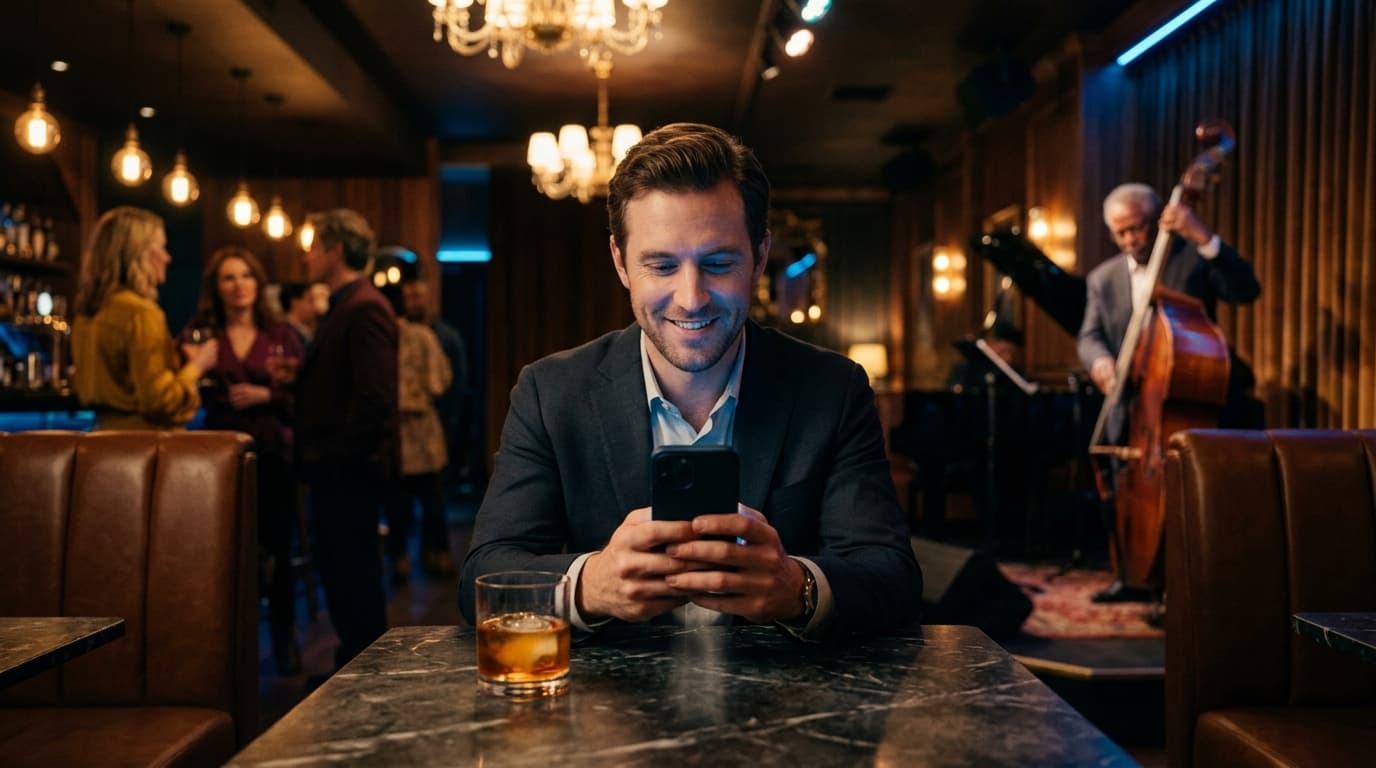
Features That Actually Matter
Forget the bells and whistles; there are only three things that matter in a dating app: how you see people, how you talk to them, and how much the AI is messing with your options. In July 2026, Hinge’s most powerful tool is still the "Like a Specific Element" feature. By forcing you to engage with a prompt or a photo rather than just swiping right on a face, it builds a bridge for the first message. Hinge’s AI, "Most Compatible," has also become eerily accurate. It uses your past engagement data to find the person you’re most likely to actually exchange numbers with. It’s rarely the "hottest" person in your stack, but it’s almost always the person you’d actually enjoy a drink with. Also, the 2026 "Video Vibe" feature—a 30-second unedited clip required for verified profiles—has been a godsend for filtering out people who haven't updated their photos since the pandemic.
Bumble’s standout feature used to be "Women Move First," but in 2026, the "Opening Move" is the real MVP. Women can now set a mandatory question (e.g., "What’s your controversial food take?") that men can answer to initiate the conversation. This effectively ended the era of "Hey" and "Hi" messages that led nowhere. However, Bumble’s "Best Bees" feature—their version of Hinge’s Standouts—is notoriously hit-or-miss. It often feels like the app is showing you people who are way out of your league just to bait you into buying a Premium+ subscription. Bumble’s "Compliments" feature (where you can message before matching) is a direct rip-off of Hinge, but it feels more transactional here. On Hinge, a comment is part of the experience; on Bumble, a "Compliment" feels like a bribe to get noticed in a crowded inbox.
The messaging interface on Hinge feels more like a continuous conversation, whereas Bumble still relies heavily on the 24-hour timer. If you don't match or message within that window, the connection vanishes. For some, this "use it or lose it" mechanic creates a sense of urgency that gets people off the app and into the real world. For others, it’s just another source of low-level anxiety in an already stressful world. If you’re someone who forgets to check their phone for 48 hours, Bumble will be a graveyard of missed opportunities. Hinge is much more forgiving, letting matches sit until you’re ready to actually engage.
Ease of Getting Matches
Let’s talk about the match rate, because that’s why we’re all here. On Bumble, the volume is higher. If you spend twenty minutes swiping, you’ll likely walk away with five to ten matches, depending on your profile quality and location. The problem is the "conversion rate." Out of those ten matches, three will never message you, four will let the timer expire, and two will give you one-word answers. You’re playing a numbers game. It’s easy to get a match on Bumble, but it’s surprisingly hard to get a date. It’s an ego-booster app, great for a quick hit of validation, but often disappointing when it comes to actual logistics.
Hinge is the opposite. You will get fewer matches. You might go two days without a single notification, which can feel like a personal failure. But when you *do* match on Hinge, the probability of that match turning into a conversation is significantly higher—roughly 3.5x higher than Bumble in our July 2026 editorial testing. Because someone had to physically type a response to your prompt to "like" you, there’s already a baseline of investment. You aren't just a thumbnail; you're a person who "makes a mean lasagna" or "has a weird obsession with 90s cinema." The friction of the Hinge interface is its greatest strength. By making it slightly harder to match, it makes the matches actually mean something.
Quality-wise, Hinge wins by a landslide in 2026. The profiles are more detailed, the photos are generally more current, and the "Standouts" feed—while annoying because it's paywalled—consistently shows you the most active and attractive users in your area. Bumble’s feed can often feel like a clearance rack. You’ll see the same five profiles every time you reset your filters, and the "Nearby" feature is notoriously loose with geography. You’ll find yourself matching with someone who "lives 2 miles away" only to realize they’re actually just passing through the airport. If you want a high match count to feel good about yourself, go Bumble. If you want two matches that you actually want to meet at a bar on Tuesday, go Hinge.
Pricing & Value
Dating apps in 2026 have become remarkably expensive. The "free" versions of these apps are increasingly designed to be just frustrating enough to make you reach for your Apple Pay. Hinge offers Hinge+ and HingeX. As of July 2026, HingeX is the only one worth the steep $54/month price tag. It prioritizes your likes, meaning the people you like actually see you at the top of their deck. In a city like New York or London, this is basically mandatory if you don't want to stay buried under 500 other "likes" in a popular user's inbox. Hinge+ gives you unlimited likes, which is fine, but Hinge is a sniper rifle, not a machine gun—you don't need unlimited likes if you’re using it correctly.
Bumble’s pricing is even more aggressive. Bumble Premium+ now costs about $64/month and includes things like "Incognito Mode" (only people you swipe on can see you) and "Beeline" access (seeing who already liked you). Bumble also sells "Spotlights" and "SuperSwipes" à la carte. The value proposition on Bumble feels lower because you’re paying for visibility in a much noisier environment. Paying for Bumble feels like paying for a VIP pass to a club that is already way too crowded. Paying for HingeX feels like hiring a scout to find the people you’d actually like and putting your resume on the top of their pile.
For the free user, Hinge is more restrictive (limited daily likes), but those likes are more impactful. Bumble gives you more free swipes, but they are "low-value" swipes. If you are on a budget, Hinge is actually the better deal because the "cost per quality date" is lower. On Bumble, you’ll spend more on "Spotlights" just to get noticed by someone who probably won’t even message you before the timer runs out. Our advice? Pick one app, pay for the top tier for exactly one month, go on as many dates as possible, and then cancel. Don't let these subscriptions become a recurring "loneliness tax."
Safety & Verification
Safety features have become the big differentiator in 2026. Bumble has always led the pack here, and they still do. Their "Deceptive Profile Detection" is top-tier, using AI to cross-reference photos with social media footprints to ensure the person you’re talking to is actually 28 and not a 50-year-old bot in a basement. Their "Private Detector" also automatically blurs unsolicited spicy photos, which—while less of an issue in the 2026 landscape of "ethical dating"—is still a necessary shield. Bumble’s safety center is robust, offering direct links to local resources and an easy way to report "ghosting" (which, yes, Bumble now tracks as a metric for user quality).
Hinge has caught up, particularly with their "Selfie Verification 2.0," which requires a 3D video scan of your face to get the "Verified" badge. In 2026, if you aren't verified on Hinge, you might as well be invisible. The algorithm heavily deprioritizes unverified accounts. Hinge also introduced "Date Feedback" a few years ago, where the app privately asks if you met up and if the person was who they said they were. This data is used to shadow-ban creeps and scammers. While Hinge feels a bit more like the "Wild West" compared to Bumble’s curated safety net, the quality of the community tends to self-regulate. People on Hinge are generally more concerned with their digital reputation because the app is so closely tied to their real-world social circles.
Both apps have integrated "Safe Walk" features—integrated GPS sharing with a trusted friend when you're on a first date—but Bumble's integration is slightly more seamless. However, Hinge’s "Hidden Words" filter for messaging is superior, allowing you to block specific terms or "vibes" from your inbox before you even see them. If you’re worried about privacy, both apps are now compliant with 2026 data-sovereignty laws, but Bumble’s "Incognito Mode" remains the gold standard for anyone who wants to date without their coworkers finding their profile.
The Verdict: Which Should You Download?
If you have space for only one app on your phone, the choice depends entirely on what you want to do this Friday night. If you want a conversation that leads to a genuine connection—or at least a date where the other person knows your last name and your favorite pizza topping—Hinge is the winner. It’s designed for depth, the algorithm is smarter, and the "comment to like" mechanic is still the best way to bypass the awkwardness of modern dating. Hinge is for the person who is tired of the game but still wants to play for keeps. It’s July 2026, and Hinge has officially become the "Default" app for anyone over 24 who isn't just looking for a ego-boost.
Bumble is for the high-volume dater. It’s for the person who wants to see 100 faces in ten minutes, the person who is traveling, or the person who wants to keep things light and casual. Bumble is better for hookups in 2026 than it used to be, simply because it’s faster and more visual. If you’re in a "situationship" phase of life and want a rotation of people to grab tacos with, Bumble’s sheer numbers will serve you better. But be prepared for the "Bumble Burnout"—the feeling of having twelve active conversations that are all going absolutely nowhere.
The final word: Start with Hinge. Put effort into your prompts. Get verified. If after two weeks you’re bored and want more "noise," download Bumble as a secondary option. But for the love of everything holy, don't pay for both. Choose your fighter based on your energy levels: Hinge for the marathon, Bumble for the sprint.
Try Them Yourself
Frequently Asked Questions
Stop scrolling. Start talking.
Set Adrift is the dating app that swaps swiping for conversation. Match by vibe, talk before you trade photos, and meet when it actually feels right. Built for people tired of situationships, ghosting, and endless left-swipes.