The Interplay Between Body Image and Intimate Wellness: A Clinical Guide
✔
Reviewed for accuracy | Not a substitute for medical advice
Sponsored Content
Sponsored Content
Frequently Asked Questions
Yes, the psychological stress and anxiety resulting from poor body image can trigger the body's 'fight or flight' response, increasing cortisol and adrenaline which can inhibit the physical mechanisms of arousal, leading to erectile dysfunction or lack of vaginal lubrication.
Practicing mindfulness and grounding techniques can help. Focus intensely on one specific sensation, such as the temperature of your partner's skin or the sound of their breathing, to pull your focus away from intrusive thoughts about your appearance.
While common, a persistent need to hide one's body may indicate underlying body image distress. Clinicians suggest gradually increasing comfort levels through 'exposure' in a safe, supportive environment with a trusted partner.
Research indicates that the swipe-based, visual nature of these apps can increase self-objectification and social comparison, which are known risk factors for decreased body satisfaction.
BDD is a clinical diagnosis characterized by an obsessive focus on a perceived flaw that is non-existent or slight to others, causing significant impairment in daily functioning and social interactions.
Disclaimer: This content is for informational purposes only and is not a substitute for professional medical advice, diagnosis, or treatment.
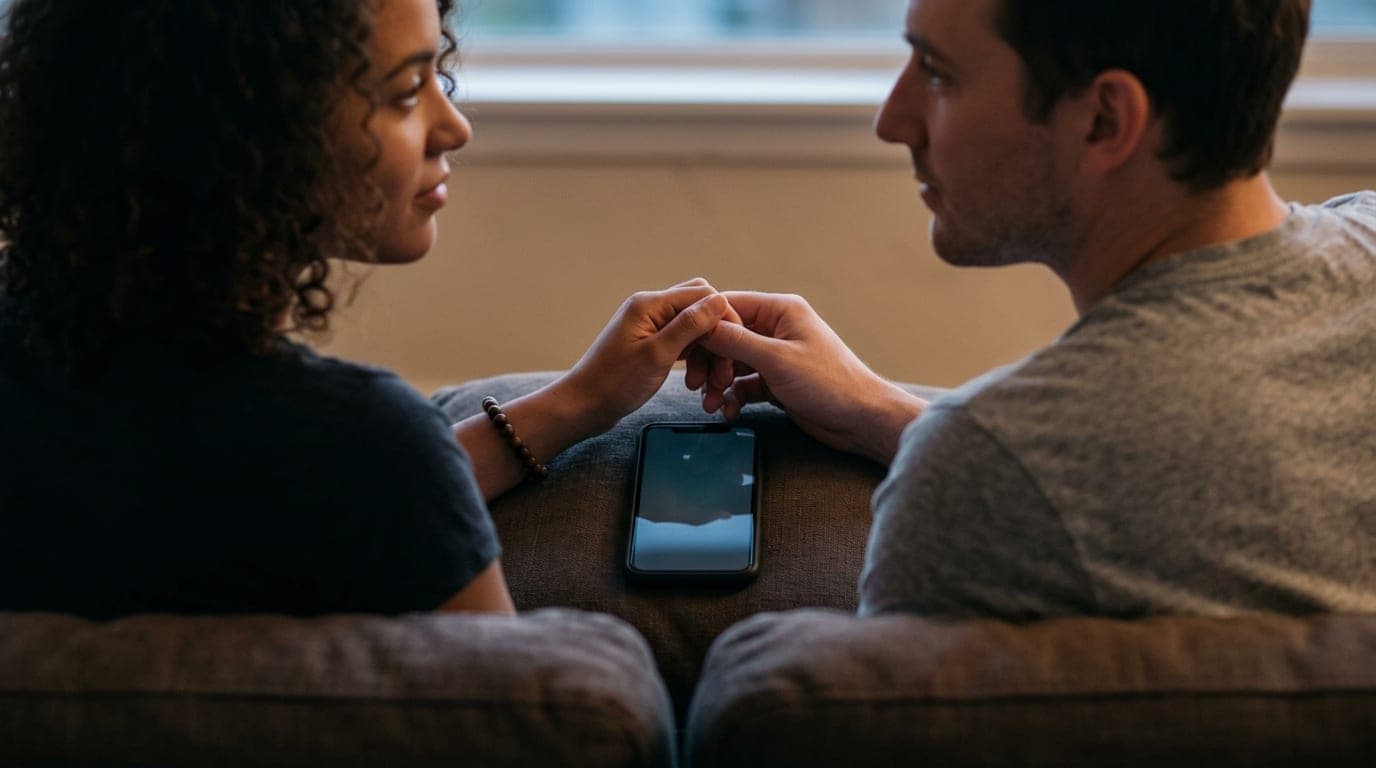
The relationship between body image and intimacy is one of the most complex intersections in modern behavioral health. As of August 2026, clinical research increasingly emphasizes that sexual satisfaction is significantly more dependent on psychological self-perception than on meeting objective aesthetic standards. Body image—defined as the multifaceted psychological experience of embodiment—functions as a filter for every physical interaction we have. When this filter is clouded by dissatisfaction or dysmorphia, it can lead to "spectatoring," a phenomenon where an individual becomes a detached observer of their own performance rather than a participant in the sensory experience. According to the World Health Organization (WHO), sexual health is not merely the absence of disease but a state of physical, emotional, mental, and social well-being in relation to sexuality. Achieving this state requires a positive and respectful approach to sexuality and sexual relationships, which is often hindered by poor body image. At PillowTalk Daily, we believe that understanding the clinical mechanisms of body-confidence is the first step toward reclaiming pleasure and fostering deeper connections with partners.
Key Facts
The World Health Organization (WHO) identifies positive body image as a foundational element of sexual health and overall well-being.
Planned Parenthood reports that individuals with higher body self-esteem are more likely to communicate their needs to partners and use contraception consistently.
Research cited by the CDC indicates that chronic stress—often exacerbated by body dissatisfaction—can lead to hormonal imbalances that directly lower libido and sexual response.
Pew Research (2025) found that approximately 53% of dating app users, including those on platforms like Hinge and Bumble, feel that the visual nature of these apps makes them more self-conscious about their physical appearance during first dates.
Sponsored Content
The Psychological Mechanisms of Body Image in Intimacy
Body image serves as a psychological filter through which individuals experience physical intimacy, often dictating the level of comfort and vulnerability one feels with a partner. This filter is constructed over a lifetime, influenced by cultural standards, peer feedback, and digital consumption. In the clinical setting, we often see that it is not the "flaw" itself that inhibits intimacy, but the *meaning* the individual assigns to that flaw. For instance, someone might avoid certain positions not because they are physically uncomfortable, but because they fear a certain angle highlights an area of perceived imperfection.
The rise of digital dating has transformed how we perceive our "intimate market value." Platforms such as eHarmony and Match often require users to present a curated, static version of themselves. This can create a "presentation anxiety" that carries over into the bedroom. When the transition from a digital profile to a physical encounter occurs, many individuals experience a psychological "gap" between their online persona and their physical reality. This gap is where body-image distress thrives. If an individual feels they have "marketed" themselves inaccurately, they may experience heightened cortisol levels during intimacy, which physiologically suppresses the parasympathetic nervous system—the system responsible for arousal.
Furthermore, gender-specific pressures play a significant role. For men, body image often centers on muscularity and performance markers. Products like Bathmate are frequently sought out by those experiencing anxiety regarding penile size or stamina, highlighting the deep-seated connection between physical self-perception and male sexual confidence. For women, the pressure often revolves around thinness and "youthful" skin. Regardless of the specific focus, the result is often the same: a reduction in the ability to remain present. Mindfulness-based stress reduction (MBSR) techniques, such as those advocated by wellness brands like Set Adrift, are increasingly recommended by clinicians to help individuals ground themselves in their physical sensations rather than their intrusive thoughts.
Feature of Intimacy
Impact of Negative Body Image
Impact of Positive Body Image
Communication
Hesitation to voice needs due to fear of judgment.
Clear articulation of desires and boundaries.
Sensory Focus
"Spectatoring" or observing oneself from the outside.
Full immersion in physical sensations and pleasure.
Arousal Levels
Suppressed by anxiety-induced cortisol.
Enhanced by relaxation and oxytocin release.
Vulnerability
Physical concealment (e.g., keeping lights off).
Openness to being seen and known by a partner.
The Psychological Mechanisms of Body Image in Intimacy
Strategies for Improving Body Confidence and Intimate Connection
Improving body image involves cognitive reframing, mindfulness, and open communication with partners to shift focus from aesthetic performance to sensory experience. The goal is not necessarily "body love"—which can feel unattainable for some—but rather "body neutrality," where the body is viewed as a functional vessel for experiencing life and pleasure rather than an object to be appraised.
Clinical practice suggests several evidence-based steps for dismantling the barriers created by poor body image:
Sensate Focus Exercises: Developed by Masters and Johnson, these exercises involve non-genital touching to reconnect the brain with tactile sensations without the pressure of performance.
Cognitive Reframing: Identifying intrusive thoughts (e.g., "They are looking at my stomach") and replacing them with neutral observations (e.g., "I am feeling the warmth of my partner's hand").
Digital Detoxification: Reducing time on highly visual social media or dating apps like Hinge and Bumble if they trigger self-comparison, and instead focusing on real-world interactions.
Communication Work: Using "I" statements to share feelings with a partner, such as "I feel a bit self-conscious tonight, and some extra verbal reassurance would help me relax."
For those navigating the dating world on Match or eHarmony, it is helpful to remember that intimacy is a shared vulnerability. Your partner likely has their own set of insecurities. By prioritizing authenticity over curation, you set a precedent for a relationship built on genuine connection rather than aesthetic perfection. In the context of male performance, if anxiety persists, consulting a urologist or a therapist before turning to mechanical aids like Bathmate is essential to ensure that the root cause—be it psychological or physiological—is addressed safely.
Additionally, holistic wellness programs like Set Adrift emphasize the importance of "embodiment." This means engaging in physical activities that make you feel strong or capable—such as swimming, yoga, or weightlifting—without focusing on how the activity changes your appearance. When you appreciate what your body *does*, it becomes easier to appreciate how your body *feels* during intimate moments.
When to See a Doctor
You should consult a healthcare professional if body image concerns lead to significant distress, avoidance of intimacy, or symptoms of Body Dysmorphic Disorder (BDD). While everyone has days where they feel less than confident, clinical distress is marked by an inability to function in social or intimate settings. If you find yourself obsessing over perceived flaws for more than an hour a day, or if you are engaging in repetitive behaviors (like checking the mirror or seeking constant reassurance) that interfere with your quality of life, professional intervention is necessary.
A primary care physician or a licensed therapist can help differentiate between common insecurities and clinical conditions. Furthermore, if body image issues are coupled with physical symptoms—such as erectile dysfunction, painful intercourse (dyspareunia), or a total loss of libido—a medical evaluation is required to rule out underlying hormonal or physiological issues. The CDC notes that mental health and sexual health are deeply linked; treating one often improves the other.
When to See a Doctor
Where to Get Tested or Get Help
Accessing support for body image issues can be done through licensed therapists, sex educators at organizations like Planned Parenthood, or specialized support groups. For those seeking clinical testing for hormonal or physical issues related to sexual health, your local health department or a Planned Parenthood health center offers comprehensive services. They provide a shame-free environment to discuss concerns ranging from STI testing to sexual dysfunction.
If you are looking for mental health support specifically for body image, the National Eating Disorders Association (NEDA) and the Body Dysmorphic Disorder Foundation provide resources and therapist finders. Many modern mental health platforms also offer specialized counseling for sexual wellness and intimacy issues. Remember, seeking help is a proactive step toward a more fulfilling and healthy intimate life.
Sources
World Health Organization (WHO) - Sexual Health Standards
Centers for Disease Control and Prevention (CDC) - Sexual Health and Mental Wellness
Planned Parenthood - Body Image and Self-Esteem
Pew Research Center (2025) - Data on Digital Dating and Self-Perception