The Interplay of Endocrine Function and Sexual Desire: A Comprehensive Guide to Hormonal Health
✔
Reviewed for accuracy | Not a substitute for medical advice
Sponsored Content
Sponsored Content
Frequently Asked Questions
Yes, some hormonal contraceptives can increase Sex Hormone-Binding Globulin (SHBG), which binds to testosterone and makes it less available in the body, potentially decreasing desire and vaginal lubrication.
No. Testosterone is vital for all genders. In women, low testosterone can lead to decreased sexual thoughts, reduced sensitivity in erogenous zones, and persistent fatigue.
Menopause causes a significant drop in estrogen, which can lead to vaginal dryness and atrophy, making sex painful. This physical discomfort often leads to a secondary decline in psychological desire.
Absolutely. High levels of cortisol (the stress hormone) can inhibit the body's production of sex hormones and keep the nervous system in a 'fight or flight' state, which is biologically incompatible with sexual arousal.
Not necessarily. Libido is multi-factorial. While testosterone can help if you have a clinical deficiency, it will not address issues caused by relationship conflict, thyroid dysfunction, or psychological stress.
Disclaimer: This content is for informational purposes only and is not a substitute for professional medical advice, diagnosis, or treatment.
Human sexual desire, or libido, is a complex intersection of biological, psychological, and social factors. While the "spark" of desire often feels like an emotional or spontaneous event, it is rooted deeply in the endocrine system—the intricate network of glands and hormones that regulate everything from our metabolism to our moods. As of July 2026, clinical research continues to reinforce that hormonal health is not a static baseline but a dynamic state influenced by age, lifestyle, environment, and underlying medical conditions. Understanding how these chemical messengers interact is the first step in reclaiming agency over your sexual well-being. At PillowTalk Daily, we believe that clinical knowledge is the most powerful tool against the shame and frustration that often accompany fluctuations in desire. By demystifying the roles of testosterone, estrogen, progesterone, and even cortisol, we can approach libido as a measurable indicator of overall health rather than a personal failing.
Disclaimer: This content is for informational purposes only and is not a substitute for professional medical advice, diagnosis, or treatment.
Human sexual desire, or libido, is a complex intersection of biological, psychological, and social factors. While the "spark" of desire often feels like an emotional or spontaneous event, it is rooted deeply in the endocrine system—the intricate network of glands and hormones that regulate everything from our metabolism to our moods. As of April 2026, clinical research continues to reinforce that hormonal health is not a static baseline but a dynamic state influenced by age, lifestyle, environment, and underlying medical conditions. Understanding how these chemical messengers interact is the first step in reclaiming agency over your sexual well-being. At PillowTalk Daily, we believe that clinical knowledge is the most powerful tool against the shame and frustration that often accompany fluctuations in desire. By demystifying the roles of testosterone, estrogen, progesterone, and even cortisol, we can approach libido as a measurable indicator of overall health rather than a personal failing.
Sponsored Content
Key Facts
According to the World Health Organization (WHO), sexual health is a state of physical, emotional, mental, and social well-being in relation to sexuality; it is not merely the absence of disease, dysfunction, or infirmity.
Research cited by Planned Parenthood indicates that hormonal shifts during life transitions—such as pregnancy, postpartum, and menopause—are among the most common biological causes for changes in sexual interest and comfort.
The Centers for Disease Control and Prevention (CDC) notes that chronic conditions such as diabetes and heart disease, which are often linked to endocrine imbalances, can significantly impact sexual function and libido in adults of all genders.
Clinical data suggests that Hypoactive Sexual Desire Disorder (HSDD), characterized by a persistent lack of interest in sex that causes personal distress, affects approximately 1 in 10 women, often mediated by hormonal fluctuations.
The Biological Foundation of Libido
To understand libido, one must first understand the "Big Players" of the endocrine system. While popular culture often simplifies hormones into "male" and "female" categories, every human body utilizes a combination of androgens, estrogens, and progestogens to function. The balance between these hormones determines not just our reproductive health, but our energy levels, bone density, and psychological drive.
Testosterone: The Primary Driver
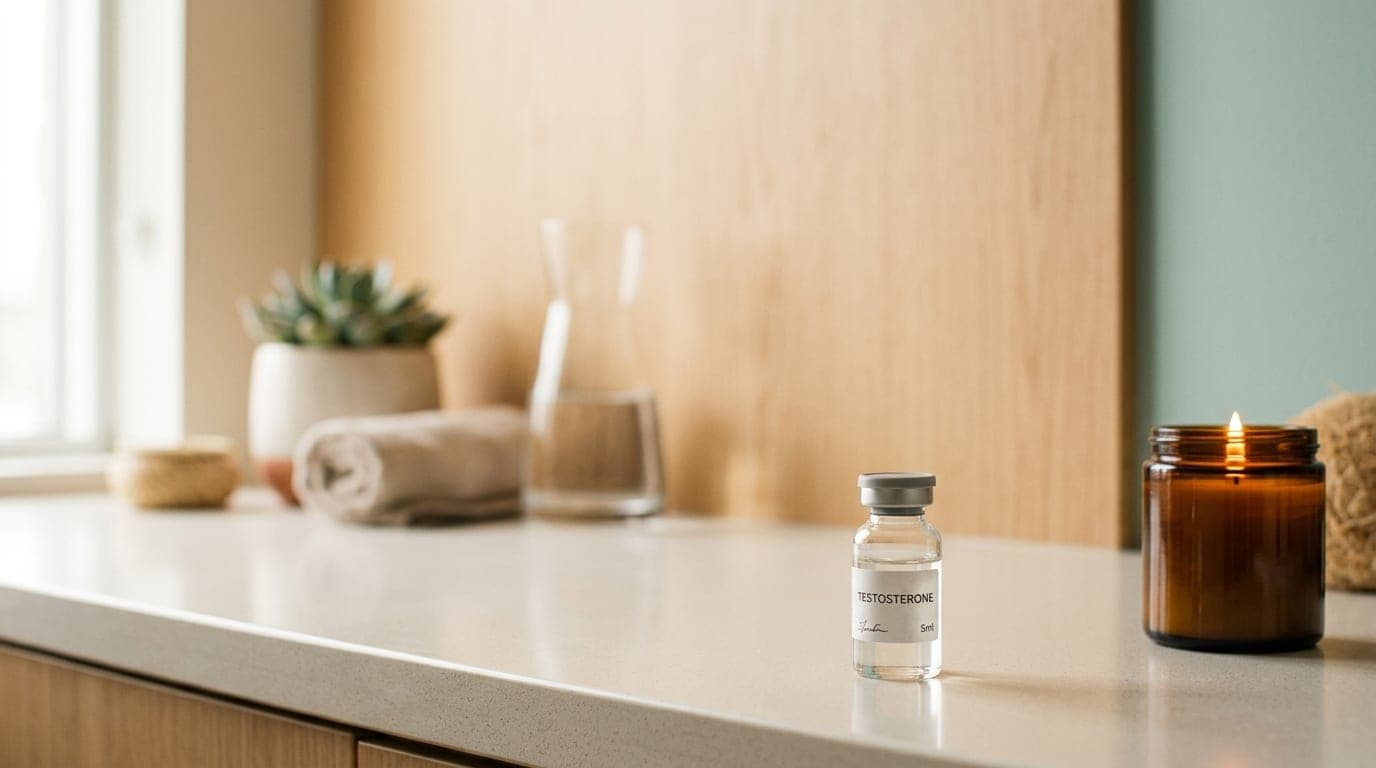
Testosterone is frequently labeled the "male" hormone, but it is a critical component of libido for people of all genders. In the female-assigned body, testosterone is produced in the ovaries and adrenal glands. It contributes to sexual desire, arousal, and even the sensitivity of the clitoris and other erogenous zones. When testosterone levels are optimal, individuals often report higher levels of spontaneous sexual thoughts and a more robust response to sexual stimuli. Conversely, when testosterone drops—whether due to aging, the use of certain hormonal contraceptives, or adrenal fatigue—libido often follows suit. As of 2026, the use of low-dose testosterone therapy for postmenopausal individuals experiencing HSDD has become more widely recognized in clinical settings, though it must be monitored carefully by a healthcare provider.
The Estrogen and Progesterone Dance
For those with a menstrual cycle, libido often fluctuates in tandem with the monthly rise and fall of estrogen and progesterone. Estrogen is responsible for maintaining the health and lubrication of vaginal tissues and is generally associated with a peak in desire during the ovulatory phase. During this window, high estrogen levels increase blood flow to the pelvic region, enhancing physical sensitivity.
Progesterone, which rises after ovulation during the luteal phase, can have a "calming" effect on the central nervous system. For some, this leads to a natural tapering of sexual desire. However, if the balance between estrogen and progesterone is disrupted—as seen in Polycystic Ovary Syndrome (PCOS) or perimenopause—the result can be a "hormonal fog" that makes it difficult to connect with one’s sexual self. Perimenopause, in particular, can see dramatic drops in estrogen that lead to vaginal atrophy (thinning and drying of tissues), making intercourse painful and further suppressing the psychological desire for intimacy.
The Role of Cortisol and the Stress Response
One cannot discuss hormonal health without addressing the "libido killer": cortisol. Produced by the adrenal glands in response to stress, cortisol is designed for survival. In a "fight or flight" scenario, the body prioritizes immediate survival over long-term goals like reproduction. In the modern context, chronic stress leads to elevated cortisol levels that can "steal" the precursors needed to produce sex hormones—a phenomenon sometimes referred to in clinical circles as the "pregnenolone steal." When your body perceives constant threat (work stress, lack of sleep, emotional trauma), it effectively de-prioritizes the endocrine pathways that support libido.
Thyroid Health and Metabolic Energy
The thyroid gland acts as the body's thermostat and battery. Hypothyroidism (an underactive thyroid) is a notorious contributor to low libido. When thyroid hormones (T3 and T4) are low, the body’s entire metabolic rate slows down. This leads to fatigue, depression, and a general sense of lethargy. Because libido requires a baseline of physical and mental energy, a struggling thyroid can make the very idea of sexual activity feel exhausting rather than enticing. Clinical screening for thyroid function is a standard first step when a patient presents with unexplained low desire.
The Biological Foundation of Libido
Practical Guidance for Hormonal Harmony
Managing hormonal health requires a multi-pronged approach that combines medical intervention with lifestyle adjustments. It is important to view these strategies not as a "quick fix" for libido, but as a long-term commitment to endocrine health.
1. Nutrition and the Endocrine System
Hormones are synthesized from the nutrients we ingest. Healthy fats, such as those found in avocados, nuts, and fatty fish, are essential for the production of cholesterol, which is the structural precursor to all sex hormones. Furthermore, ensuring adequate intake of Zinc and Vitamin D is crucial; Vitamin D actually functions more like a pro-hormone than a vitamin and is directly linked to testosterone production. Reducing the consumption of highly processed sugars can also help manage insulin levels. Insulin resistance is closely tied to hormonal imbalances like PCOS, which can disrupt the ovulatory cycle and desire.
2. Sleep as a Hormonal Regulator
Most hormone secretion occurs while we sleep. For instance, the bulk of testosterone production in men happens during REM sleep. Chronic sleep deprivation raises cortisol and lowers the production of growth hormones and sex hormones. Prioritizing 7–9 hours of quality sleep is perhaps the most effective non-medical way to support a healthy libido. If you are struggling with desire, evaluate your "sleep hygiene"—is your environment dark, cool, and free of blue light before bed?
3. Physical Activity and Blood Flow
Exercise influences hormones in two ways. First, resistance training has been shown to naturally boost androgen levels. Second, cardiovascular exercise improves endothelial function—the ability of blood vessels to dilate. Since physical arousal is fundamentally a hemodynamic (blood flow) event, a healthy cardiovascular system ensures that when the mind is willing, the body can respond. However, it is vital to avoid overtraining, which can paradoxically spike cortisol and shut down reproductive hormone production.
4. Stress Management and Mindfulness
Because the brain is the most important sex organ, psychological stress management is clinical "medicine" for libido. Techniques such as Mindfulness-Based Stress Reduction (MBSR) have been shown in clinical trials to help individuals "decouple" from the stressors of the day and reconnect with physical sensations. By lowering cortisol, these practices allow the parasympathetic nervous system (the "rest and digest" or "feed and breed" system) to take over.
5. Medical Interventions
If lifestyle changes are insufficient, medical options are available. Hormone Replacement Therapy (HRT) can be life-changing for those in menopause or andropause. Additionally, for those whose low libido is a side effect of other medications (such as SSRIs for depression), a doctor may suggest an "add-on" medication or a dosage adjustment. There are also FDA-approved medications specifically for HSDD, such as flibanserin or bremelanotide, which work by modulating neurotransmitters like dopamine and norepinephrine in the brain.
When to See a Doctor
When to See a Doctor
It is normal for libido to wax and wane. However, you should consult a healthcare professional—such as an endocrinologist, gynecologist, urologist, or sexual medicine specialist—if you experience any of the following:
Persistent Distress: Your lack of desire is causing you significant personal unhappiness or strain in your relationship.
Sudden Changes: Your libido dropped abruptly without an obvious cause like a major life stressor.
Physical Pain: You experience pain during intercourse (dyspareunia), which may indicate low estrogen or other underlying issues.
Accompanying Symptoms: Your low libido is paired with extreme fatigue, unexplained weight gain or loss, hair thinning, or persistent low mood.
Medication Side Effects: You suspect a new medication is impacting your ability to become aroused or reach orgasm.
When you speak with a doctor, be prepared to discuss your symptoms without shame. Use clinical language to describe what you are feeling. For example, instead of saying "I'm just not into it," you might say, "I am experiencing a persistent lack of spontaneous sexual thought and a decrease in physical responsiveness that has lasted for six months."
Where to Get Tested or Get Help
Navigating the healthcare system for sexual health can feel daunting, but several reputable organizations provide resources and testing:
Planned Parenthood: Offers comprehensive sexual health screenings, including hormone testing, contraception counseling, and menopause management. They are a primary resource for inclusive, non-judgmental care.
AASECT (American Association of Sexuality Educators, Counselors and Therapists): A directory to find certified sex therapists who can help address the psychological components of low libido while you work with a medical doctor on the hormonal side.
The Endocrine Society: Provides detailed patient resources on thyroid disorders, low testosterone, and other endocrine-related conditions.
Local Laboratory Services: Many people now utilize direct-to-consumer hormone panels, but it is critical to have these results interpreted by a licensed physician rather than self-diagnosing.
Sources
World Health Organization (WHO)
Centers for Disease Control and Prevention (CDC)
Planned Parenthood Federation of America
The Endocrine Society
International Society for Sexual Medicine (ISSM)
The Interplay of Endocrine Function and Sexual Desire: A Comprehensive Guide to Hormonal Health | PillowTalk Daily