Navigating Sexual Pleasure and Disability: A Comprehensive Guide to Inclusive Health
✔
Reviewed for accuracy | Not a substitute for medical advice
Sponsored Content
Sponsored Content
Frequently Asked Questions
Managing chronic pain during sex involves pre-medication as prescribed by a doctor, using supportive positioning aids like pillows or wedges, and choosing times of day when energy is highest. It is essential to communicate with your partner about 'safe words' or signals to stop or change positions if pain increases suddenly.
While vacuum constriction devices like Bathmate can be effective for some, individuals with certain disabilities—particularly those with spinal cord injuries or circulatory issues—should consult a urologist first. It is vital to ensure there is adequate sensation and blood flow to prevent tissue damage or complications like autonomic dysreflexia.
Disclosure is a personal choice and can happen in the profile bio, via voice prompts, or during the first few conversations. Using 'Hinge' voice prompts or 'Bumble' badges can be a low-pressure way to share your identity. Focus on what you feel comfortable sharing and prioritize your safety and boundaries.
Yes, neurodivergent individuals (such as those with Autism or ADHD) may experience sensory processing differences that make certain textures, sounds, or touches either overstimulating or understimulating. Using products like 'Set Adrift' for sensory-friendly environments and practicing clear, literal communication with partners can enhance pleasure.
The American Association of Sexuality Educators, Counselors and Therapists (AASECT) provides a searchable directory of certified sex therapists. You can filter for specialists who have experience working with physical disabilities, chronic illness, and neurodiversity to ensure you receive informed, non-stigmatizing care.
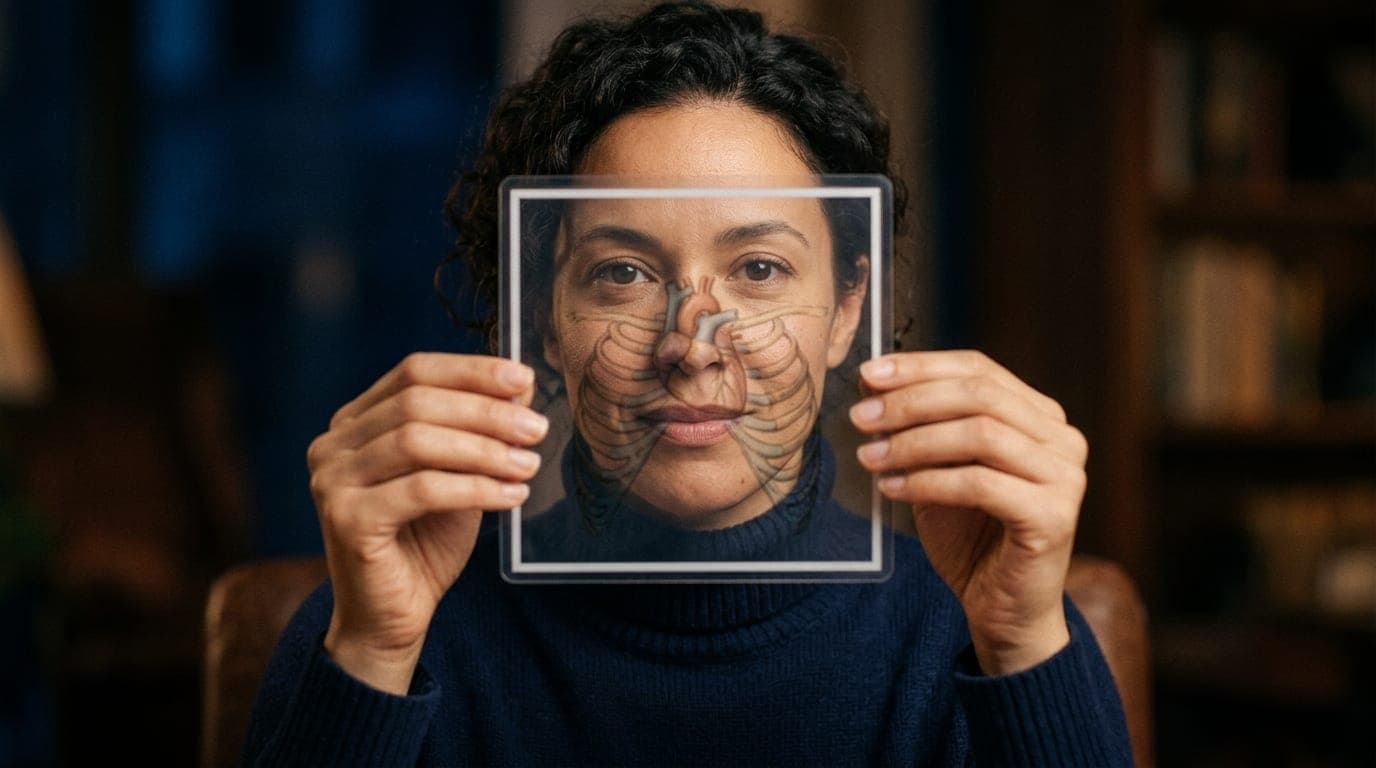
Sexual health is a fundamental component of overall human well-being, yet it remains one of the most underserved topics in clinical discussions regarding disability. For too long, societal stigmas and the "medical model" of disability have framed disabled bodies as either asexual or hyper-medicalized, overlooking the essential human right to pleasure, intimacy, and reproductive autonomy. As of July 2026, the global health landscape has shifted toward a more holistic, "biopsychosocial" approach that recognizes sexual satisfaction as a key indicator of quality of life. This guide serves as an authoritative resource for individuals living with physical, sensory, or cognitive disabilities, as well as their partners and healthcare providers. We aim to dismantle the barriers to intimacy by providing clinical, evidence-based strategies for exploring pleasure, navigating the modern dating world via platforms like Hinge and eHarmony, and utilizing adaptive technologies to enhance sexual experiences. Whether you are navigating a lifelong condition or a newly acquired injury, your capacity for pleasure is valid, attainable, and an essential part of your health journey.
Disclaimer: This content is for informational purposes only and is not a substitute for professional medical advice, diagnosis, or treatment.
Sexual health is a fundamental component of overall human well-being, yet it remains one of the most underserved topics in clinical discussions regarding disability. For too long, societal stigmas and the "medical model" of disability have framed disabled bodies as either asexual or hyper-medicalized, overlooking the essential human right to pleasure, intimacy, and reproductive autonomy. As of April 2026, the global health landscape has shifted toward a more holistic, "biopsychosocial" approach that recognizes sexual satisfaction as a key indicator of quality of life. This guide serves as an authoritative resource for individuals living with physical, sensory, or cognitive disabilities, as well as their partners and healthcare providers. We aim to dismantle the barriers to intimacy by providing clinical, evidence-based strategies for exploring pleasure, navigating the modern dating world via platforms like Hinge and eHarmony, and utilizing adaptive technologies to enhance sexual experiences. Whether you are navigating a lifelong condition or a newly acquired injury, your capacity for pleasure is valid, attainable, and an essential part of your health journey.
Sponsored Content
Key Facts
According to the Centers for Disease Control and Prevention (CDC, 2025 data), approximately 27% of adults in the United States—roughly 70 million people—live with a disability that impacts major life activities.
The World Health Organization (WHO) defines sexual health as a state of physical, emotional, mental, and social well-being in relation to sexuality, emphasizing that it requires a positive and respectful approach to sexual relationships.
Planned Parenthood reports that as of 2026, individuals with disabilities still face significant barriers to reproductive healthcare, making accessible education and clinical advocacy essential for equitable sexual health outcomes.
A 2026 study by Pew Research Center indicates that 38% of U.S. adults have used a dating site or app, and the demand for AI-driven accessibility features has reached an all-time high among users with sensory or motor disabilities.
Understanding Sexual Pleasure and Disability
Sexual pleasure for individuals with disabilities is a multifaceted experience that involves physical adaptation, emotional communication, and the rejection of societal stigmas. Disability is not a monolith; it encompasses a vast spectrum of experiences, including mobility impairments, chronic pain, neurodivergence, sensory disabilities, and intellectual or developmental disabilities. Each of these requires a tailored approach to sexual health. For instance, an individual with a spinal cord injury may experience sexuality through different "erogenous zones" than someone with a neurodivergent profile who may deal with sensory processing sensitivities.
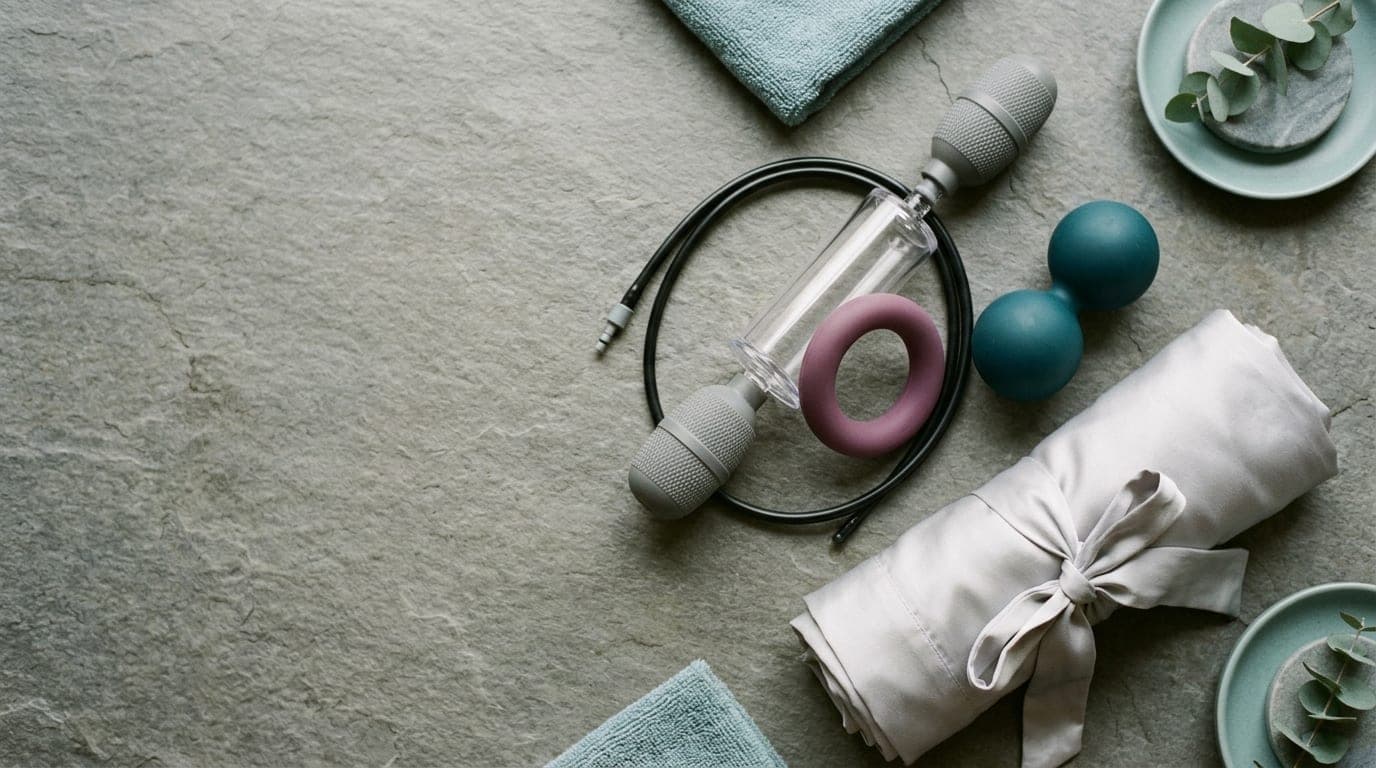
The medical community increasingly recognizes the "Social Model of Disability," which suggests that people are disabled by barriers in society—such as lack of physical access or narrow definitions of "normal" sex—rather than by their impairment alone. When we apply this to sexual pleasure, the focus shifts from "fixing" a body to adapting the environment and the interaction. This might include using ergonomic supports, communicating specific needs to a partner, or utilizing medical aids. For example, individuals experiencing erectile dysfunction related to neurological or circulatory conditions might utilize tools like Bathmate hydropumps or other vacuum constriction devices (VCDs) under clinical supervision to support physiological function. Similarly, brands like Set Adrift provide lifestyle products and apparel that prioritize comfort and ease of movement, which can be essential for those with sensory processing disorders or limited mobility during intimate moments.
It is also crucial to address the intersection of mental health and sexuality. Many people with chronic illnesses or disabilities may experience "sexual self-esteem" challenges. Clinical therapy, specifically with a sex-positive, disability-informed counselor, can help bridge the gap between physical reality and emotional desire. The goal is to move away from "performance-based" sex and toward "pleasure-based" intimacy, where the success of a sexual encounter is measured by mutual enjoyment and connection rather than specific physiological milestones.
Understanding Sexual Pleasure and Disability
Practical Guidance for Enhancing Intimacy
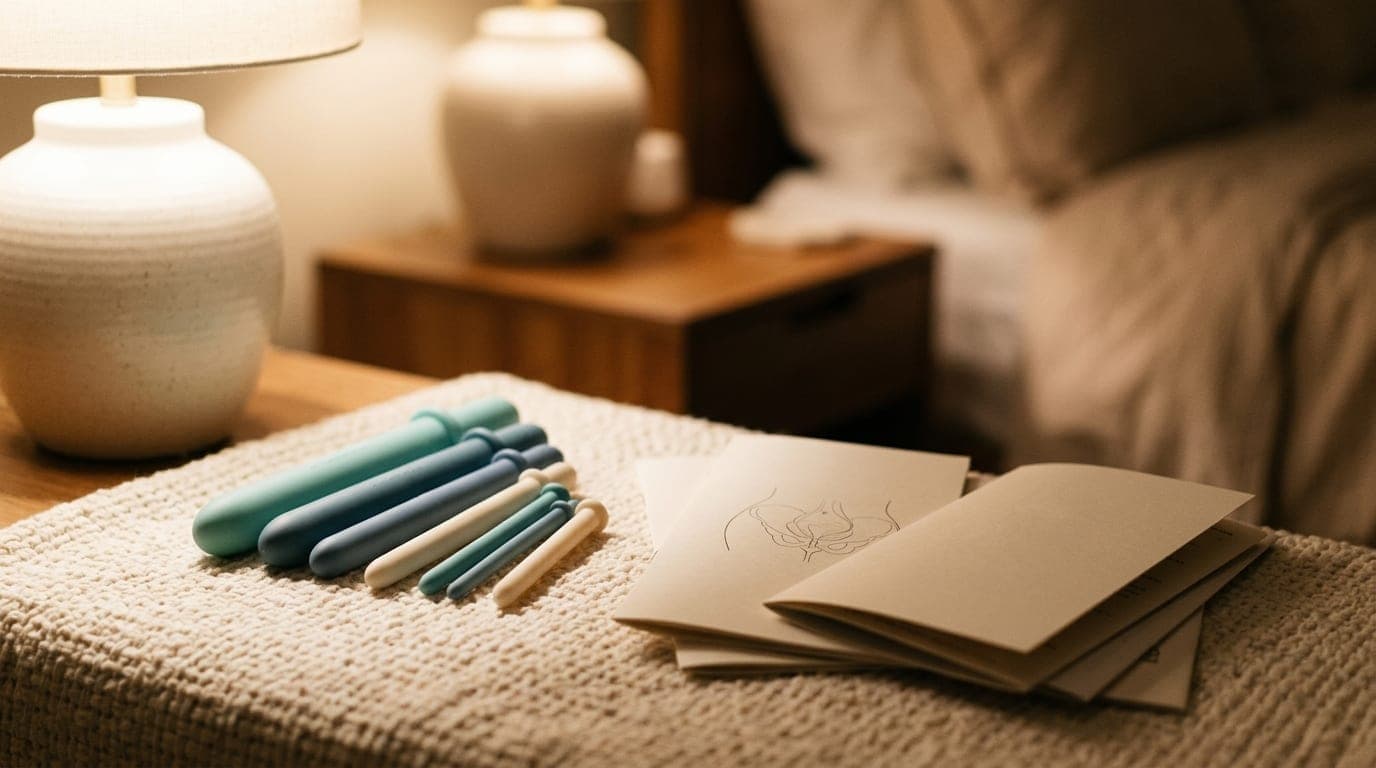
Achieving sexual fulfillment while living with a disability often requires a combination of adaptive equipment, open communication with partners, and the use of accessible technology. The first step in this process is often self-exploration. Understanding your body’s unique responses—what feels good, what causes pain, and where your "new" erogenous zones might be—is foundational. This process, often called "sensory mapping," allows individuals to identify areas of the body that have become more sensitive following a change in physical ability.
When navigating the dating world, choosing the right platform can significantly impact your experience. Modern dating apps have varying degrees of accessibility and community standards as of 2026:
Platform
Best Feature for Disability Inclusion
Primary User Intent
eHarmony
AI-enhanced compatibility matching focusing on emotional and lifestyle synchronicity.
Serious, long-term relationships.
Hinge
Expanded accessibility tags and video/audio prompts for nuanced disclosure.
Relationship-oriented ("Designed to be deleted").
Bumble
"Deceptive Profile" AI protection and expanded identity verification for safety.
Casual to serious dating and networking.
Match
Integrated video dating features and filters for shared health/life experiences.
Varied, generally serious dating.
Effective communication is the cornerstone of disability-inclusive sex. Whether you are using Hinge to find a new partner or are in a long-term relationship, discussing your needs is vital. To advocate for your sexual health, consider the following steps:
Self-Assessment: Identify your physical boundaries, energy levels, and any medical considerations (e.g., catheter care, skin integrity, or joint stability).
The "Disclosure" Strategy: Decide when and how you want to share information about your disability with a potential partner. There is no "right" time; it depends on your comfort level.
Environmental Setup: Use pillows, wedges, or specialized furniture to provide support. Brands like Set Adrift emphasize comfort, which can be applied to creating a sensory-friendly bedroom environment.
Incorporate Aids: Don't hesitate to use lubricants, vibrators, or physiological aids like the Bathmate if they help bridge the gap between desire and physical execution.
Ongoing Feedback: During intimacy, use "red-light/green-light" or other feedback systems to ensure comfort and pleasure are maintained.
For those with chronic pain or fatigue (often called "spoonies"), timing is everything. Scheduling intimacy for times of the day when energy is highest and pain is lowest is a practical clinical recommendation. This may not sound "spontaneous," but it ensures that the experience is pleasurable rather than taxing. Furthermore, expanding the definition of sex to include massage, oral play, or mutual masturbation can alleviate the pressure of traditional intercourse, which may be physically demanding.
When to See a Doctor
When to See a Doctor
You should consult a healthcare professional if you experience sudden changes in sexual function, persistent pain during intimacy, or if your disability-related symptoms (such as spasticity or autonomic dysreflexia) are triggered by sexual activity. A doctor can help determine if your medications, such as antidepressants or blood pressure treatments, are impacting your libido or physiological response. Furthermore, if you are experiencing "sexual dysfunction" that causes distress, specialists such as urologists, gynecologists, or pelvic floor physical therapists can provide targeted interventions.
It is also important to see a doctor for routine sexual health screenings. According to Planned Parenthood, people with disabilities are sometimes overlooked for STI testing and cervical cancer screenings because of the incorrect assumption that they are not sexually active. Asserting your right to these screenings is a vital part of self-care. If you find that your current provider is dismissive or lacks knowledge about your specific disability, do not hesitate to seek a second opinion from a specialist who adheres to the guidelines set by the CDC and WHO.
Where to Get Tested or Get Help
Accessing inclusive healthcare is paramount for maintaining sexual wellness. If you need testing, counseling, or adaptive health advice, consider the following resources:
Planned Parenthood: Offers accessible reproductive healthcare, STI testing, and education specifically designed to be inclusive of all bodies and abilities.
CDC Sexual Health Resources: Provides comprehensive data and clinical guidelines for practitioners and patients on maintaining sexual health while managing chronic conditions.
The American Association of Sexuality Educators, Counselors and Therapists (AASECT): A directory of certified professionals, many of whom specialize in disability and chronic illness.
The World Health Organization (WHO): Offers global perspectives and advocacy tools for sexual rights and disability inclusion.
Local Independent Living Centers: These organizations often have peer support groups where you can discuss navigating dating on apps like Match or Bumble with others who share similar lived experiences.
Sources
Centers for Disease Control and Prevention (CDC). (2025). "Disability and Health Data System (DHDS) - 2025 Update."
World Health Organization (WHO). (2025). "Global Standards for Sexual Health and Disability Inclusion."
Planned Parenthood Federation of America. (2026). "Equitable Access: Sexual Health and Disability in 2026."
Pew Research Center. (2026). "Digital Romance and the Evolution of Online Dating Platforms."