Navigating Sexual Wellness for Those with Endometriosis: A Clinical Guide to Pain-Free Intimacy
✔
Reviewed for accuracy | Not a substitute for medical advice
Sponsored Content
Sponsored Content
Frequently Asked Questions
Pain fluctuates because endometriosis lesions are hormonally sensitive. During ovulation and just before menstruation, estrogen levels change, causing lesions to swell and bleed internally. This increases inflammation and pelvic pressure, making sexual activity significantly more painful during these phases. Tracking your cycle can help you identify lower-pain windows for intimacy.
Yes, it is highly effective. Chronic pain often causes the pelvic floor muscles to become 'hypertonic' or permanently contracted as a protective reflex. A physical therapist uses internal and external techniques to release these 'trigger points' and teaches you how to consciously relax these muscles, which can significantly reduce pain during penetration.
Individuals with endometriosis should look for pH-balanced, osmolality-matched lubricants to avoid irritating sensitive tissues. Water-based lubricants are generally safest, but silicone-based options provide longer-lasting glide which can be helpful if hormonal treatments have caused significant vaginal dryness. Always avoid lubricants with parabens, glycerin, or warming agents which can trigger inflammation.
Communication is a part of intimacy. Try discussing it outside the bedroom first to establish a 'game plan.' Use 'I' statements, such as 'I really want to be close to you, but certain positions feel like sharp pressure today.' This frames the issue as a shared challenge to solve together rather than a personal rejection.
Absolutely. Libido is driven by hormones and psychological desire, which can remain high even if the body is in pain. This often creates a frustrating 'mismatch' between wanting sex and fearing the pain. Finding alternative ways to express that desire, such as outercourse or massage, allows you to honor your libido without physical distress.
Disclaimer: This content is for informational purposes only and is not a substitute for professional medical advice, diagnosis, or treatment.
Achieving a fulfilling sex life while managing a chronic condition requires a shift from performance-based intimacy to comfort-based connection. As of June 2026, the clinical consensus emphasizes that sexual-wellness-for-those-with-endometriosis is not merely the absence of pain, but the presence of pleasure and agency. Endometriosis, characterized by the growth of endometrial-like tissue outside the uterus, often results in dyspareunia (painful intercourse), which can significantly impact emotional well-being and relationship dynamics. By utilizing a multidisciplinary approach—combining medical interventions with psychological support—individuals can reclaim their sexual autonomy and find pathways to pleasure that do not trigger flare-ups or physical distress.
Sexual-wellness-for-those-with-endometriosis is centered on the understanding that 190 million people worldwide are affected by this condition, which often causes chronic pelvic pain and significant barriers to intimacy. Clinical data suggests that early intervention, pelvic floor rehabilitation, and open communication with healthcare providers are essential for maintaining a healthy and satisfying sexual relationship despite the diagnosis.
Endometriosis affects roughly 10% (190 million) of reproductive-age women and girls globally (WHO, 2023).
Deep dyspareunia, or pain felt deep within the pelvis during penetration, is reported by approximately 50% of individuals diagnosed with the condition (Planned Parenthood, 2024).
Research indicates that 40% to 50% of women with endometriosis experience some form of sexual dysfunction, including reduced desire and arousal (CDC, 2022).
Sponsored Content
Understanding the Impact on Sexual-Wellness-for-Those-with-Endometriosis
The biological impact on sexual-wellness-for-those-with-endometriosis involves inflammatory responses and the formation of adhesions that tether pelvic organs together, making specific movements or penetrative depths physically painful. When endometrial-like tissue attaches to the rectovaginal septum or the uterosacral ligaments, the mechanical friction of sexual activity can trigger acute sharp pain or lingering dull aches.
Endometriosis is more than a "bad period." It is a systemic inflammatory condition. When lesions grow on the ovaries, bladder, or bowel, they respond to hormonal cycles just like the lining of the uterus. This tissue bleeds, but unlike menstrual blood, it has no way to exit the body. This leads to internal scarring and "kissing ovaries," where organs become stuck together. For anyone navigating sexual-wellness-for-those-with-endometriosis, this means that certain sexual positions may pull on these adhesions, causing immediate discomfort or a "pain hangover" that lasts for days after the encounter.
Beyond the physical lesions, the body often develops a secondary defense mechanism known as pelvic floor hypertonicity. Because the body anticipates pain, the muscles of the pelvic floor remain in a state of constant contraction. This "guarding" can make even light touch or shallow penetration feel tight and painful. Addressing sexual-wellness-for-those-with-endometriosis requires unlearning this guarding reflex through specialized physical therapy and relaxation techniques. This psychological component—the "pain-fear-tension" cycle—is a significant hurdle that requires as much attention as the physical lesions themselves.
Moreover, the hormonal treatments often prescribed to manage endometriosis, such as GnRH agonists or certain oral contraceptives, can have side effects that impact sexual-wellness-for-those-with-endometriosis. These may include vaginal dryness, a decrease in libido, and changes in mood. It is vital for patients to discuss these side effects with their doctors, as alternatives like localized estrogen or different progestin formulations may be available to mitigate these impacts on their intimate lives.
Practical Guidance for Sexual-Wellness-for-Those-with-Endometriosis
Practical strategies for improving sexual-wellness-for-those-with-endometriosis focus on minimizing mechanical stress on the pelvic organs and reducing the body’s inflammatory response through preparation and pacing. By prioritizing "outercourse," utilizing high-quality lubricants, and timing intimacy around the menstrual cycle, individuals can significantly reduce the incidence of post-coital pain and increase overall satisfaction.
Prioritize Pre-Intimacy Preparation: Before engaging in sexual activity, use heat therapy (like a heating pad or warm bath) to relax the pelvic muscles. This can help reduce the initial guarding reflex and increase blood flow to the area, making the tissue more pliable and less prone to irritation.
Adopt "Low-Impact" Positioning: Shift away from deep-penetration positions. Side-lying positions, such as spooning, or positions where the individual with endometriosis has control over the depth and angle of penetration (such as being on top), can prevent contact with sensitive areas like the "Pouch of Douglas" or the cervix.
Use Buffer Tools and Lubrication: Utilize products like the "Ohnut," a wearable buffer that limits the depth of penetration without sacrificing sensation. Pair this with a high-quality, pH-balanced, water-based or silicone-based lubricant to reduce friction, which is especially important if hormonal treatments have caused vaginal dryness.
Practice Active Communication: Establish a "traffic light" system with your partner (Green for good, Yellow for caution/slow down, Red for stop). Communicating exactly where and when pain occurs allows for real-time adjustments, reducing the anxiety that often accompanies sexual-wellness-for-those-with-endometriosis.
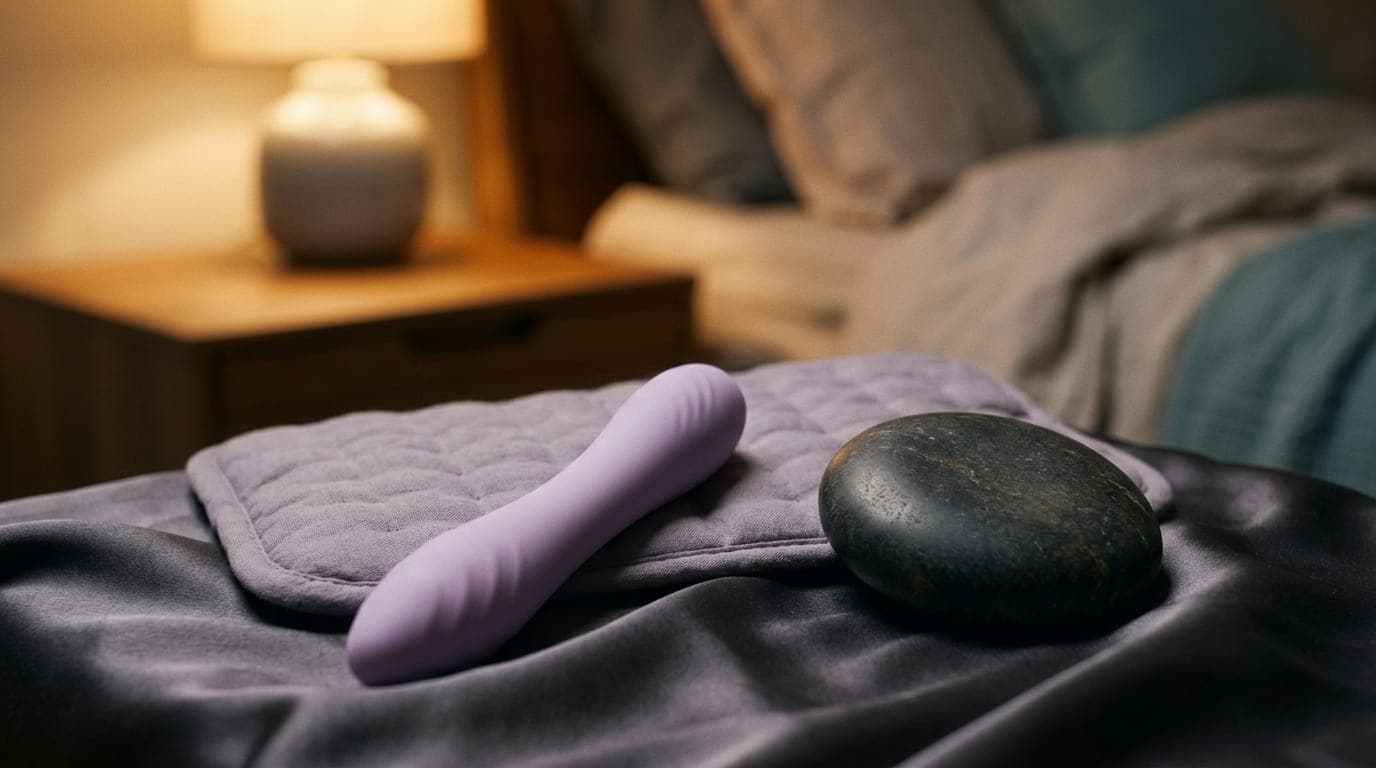
Expanding on these steps, it is essential to recognize that intimacy does not have to include penetration to be valid or satisfying. "Outercourse"—which includes manual stimulation, oral sex, and the use of external vibrators—is often a cornerstone of maintaining sexual-wellness-for-those-with-endometriosis during flare-ups. Focusing on the "pleasure ladder," where partners start with non-genital touch and only move forward as comfort allows, helps rebuild the trust between the body and the mind.
Furthermore, timing is everything. Many individuals find that their pain is most acute during ovulation or the days leading up to menstruation. Tracking these cycles using digital health apps can help partners plan for more vigorous activity during "low-pain windows" and focus on gentle connection during "high-pain windows." This proactive scheduling helps remove the pressure of performance and allows for a more relaxed, intuitive approach to sexual-wellness-for-those-with-endometriosis.
Understanding the Impact on Sexual-Wellness-for-Those-with-Endometriosis
Comparing Approaches to Sexual-Wellness-for-Those-with-Endometriosis
When managing sexual-wellness-for-those-with-endometriosis, individuals have several categories of intervention ranging from conservative at-home care to clinical therapies. Choosing the right approach depends on the severity of the lesions, the presence of muscular dysfunction, and personal preferences regarding hormonal or surgical interventions that may affect sexual function and libido.
Option
Effectiveness
Considerations
Pelvic Floor Physical Therapy (PFPT)
High for muscle-related pain and "guarding"
Requires multiple sessions; focused on desensitization and muscle release.
Hormonal Suppression (BCP/IUD)
Moderate to high for reducing lesion growth
May cause side effects like decreased libido or vaginal dryness (Planned Parenthood, 2024).
Surgical Excision
High for deep infiltrating endometriosis
Invasive; requires recovery time; best for removing physical adhesions causing pain.
Vaginal Dilators & Pelvic Wands
Moderate for home-based maintenance
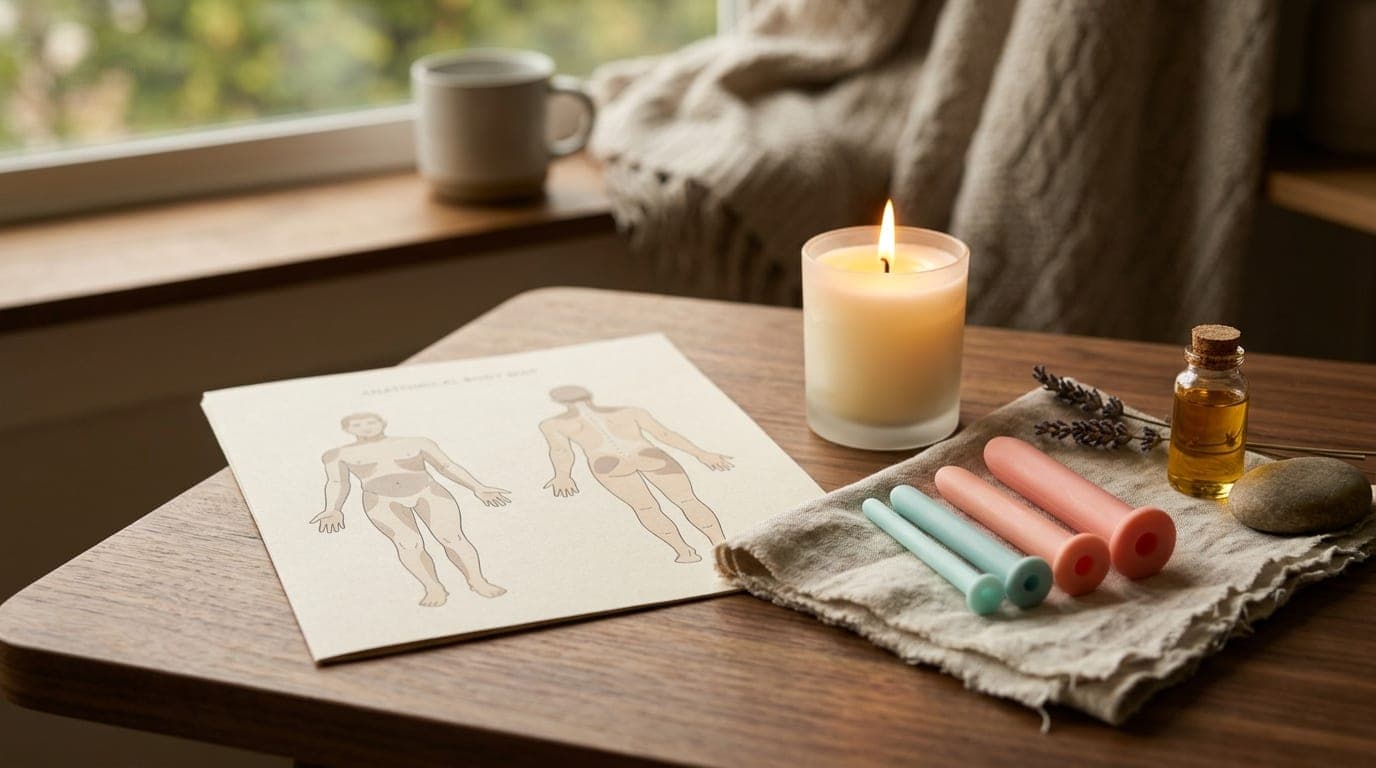
Helps in stretching the vaginal canal and releasing internal trigger points.
Lubricants and Moisturizers
Immediate for friction-based discomfort
Does not treat underlying causes but makes entry and movement more comfortable.
While surgery is often touted as the "gold standard" for removing lesions, it is important to note that surgery alone may not fix the sexual-wellness-for-those-with-endometriosis. If the brain and muscles have been "trained" to expect pain over several years, the pelvic floor may remain hypertonic even after the lesions are gone. This is why a multimodal approach—surgery combined with physical therapy—is often the most successful path toward long-term relief.
In addition to these medical options, many are exploring the role of anti-inflammatory diets and supplements, such as Omega-3 fatty acids and Curcumin, to manage the systemic inflammation associated with the condition. While not a direct "cure" for dyspareunia, reducing the overall inflammatory load in the body can lead to fewer flare-ups, which indirectly supports better sexual-wellness-for-those-with-endometriosis. Always consult with a dietitian or doctor before starting a new supplement regimen, especially when managing chronic conditions.
Professional Consultations for Sexual-Wellness-for-Those-with-Endometriosis
Seeking professional help for sexual-wellness-for-those-with-endometriosis is necessary when pain becomes a regular occurrence or when the anticipation of pain causes significant distress or avoidance of intimacy. A doctor should be consulted if pain persists after trying different positions, if bleeding occurs after sex, or if pelvic pain interferes with daily activities beyond the bedroom.
Many people wait years before mentioning sexual pain to their doctors, often due to stigma or the belief that "sex is just supposed to hurt sometimes." This is a misconception. According to the CDC (2022), persistent pelvic pain should always be investigated. When discussing sexual-wellness-for-those-with-endometriosis with a provider, it is helpful to be as specific as possible: Is the pain sharp or dull? Is it at the entrance or deep inside? Does it happen in every position? This data helps the clinician differentiate between vulvodynia, vaginismus, and endometriosis-related dyspareunia.
Furthermore, mental health support should not be overlooked. A sex therapist who specializes in chronic pain can provide invaluable tools for navigating the emotional toll of the condition. They can help couples maintain a sense of intimacy when penetration is off the table and address the "grief" that often comes with losing the ability to have sex the way one used to. Prioritizing mental health is a vital component of the holistic approach to sexual-wellness-for-those-with-endometriosis.
Professional Consultations for Sexual-Wellness-for-Those-with-Endometriosis
Where to Get Help for Sexual-Wellness-for-Those-with-Endometriosis
Resources for sexual-wellness-for-those-with-endometriosis are available through gynecological specialists, pelvic health clinics, and national advocacy organizations that provide vetted lists of "endo-friendly" providers. Local Planned Parenthood health centers are excellent starting points for screening and referrals to specialists who understand the complexities of pelvic pain and sexual health management.
If you are looking for a specialist, the Endometriosis Association and the Pelvic Pain Society offer directories of surgeons and physical therapists who specialize specifically in this field. Additionally, many universities have specialized "Center for Pelvic Health" programs that take a team-based approach, bringing together urologists, gynecologists, and physical therapists to treat sexual-wellness-for-those-with-endometriosis from every angle. Online communities can also provide peer support, though medical advice should always be verified by a licensed professional.
For those in the United States, Planned Parenthood (2024) remains a vital resource for accessible care, offering everything from pelvic exams to hormonal management. They can also assist with the psychological aspects of sexual health, providing a safe space to discuss concerns about desire and arousal that are often sidelined in traditional medical settings. Remember, you are your own best advocate; if a provider dismisses your pain, seeking a second opinion is a standard and necessary part of managing sexual-wellness-for-those-with-endometriosis.
Sources for Sexual-Wellness-for-Those-with-Endometriosis
The sources cited in this guide provide the most current clinical data and evidence-based recommendations for managing sexual-wellness-for-those-with-endometriosis. Organizations like the WHO and CDC are utilized for their large-scale epidemiological data, while Planned Parenthood provides practical, patient-centered guidance on navigating the intersection of reproductive health and sexual pleasure.
World Health Organization (WHO). (2023). "Endometriosis." Fact sheet.
Planned Parenthood. (2024). "What are the symptoms of endometriosis?" Sexual Health Resources.
Centers for Disease Control and Prevention (CDC). (2022). "Genitourinary Health and Endometriosis." Women's Health Portal.
Endometriosis Foundation of America. (2025). "Sexual Health and Intimacy with Endo." Clinical Guidelines.