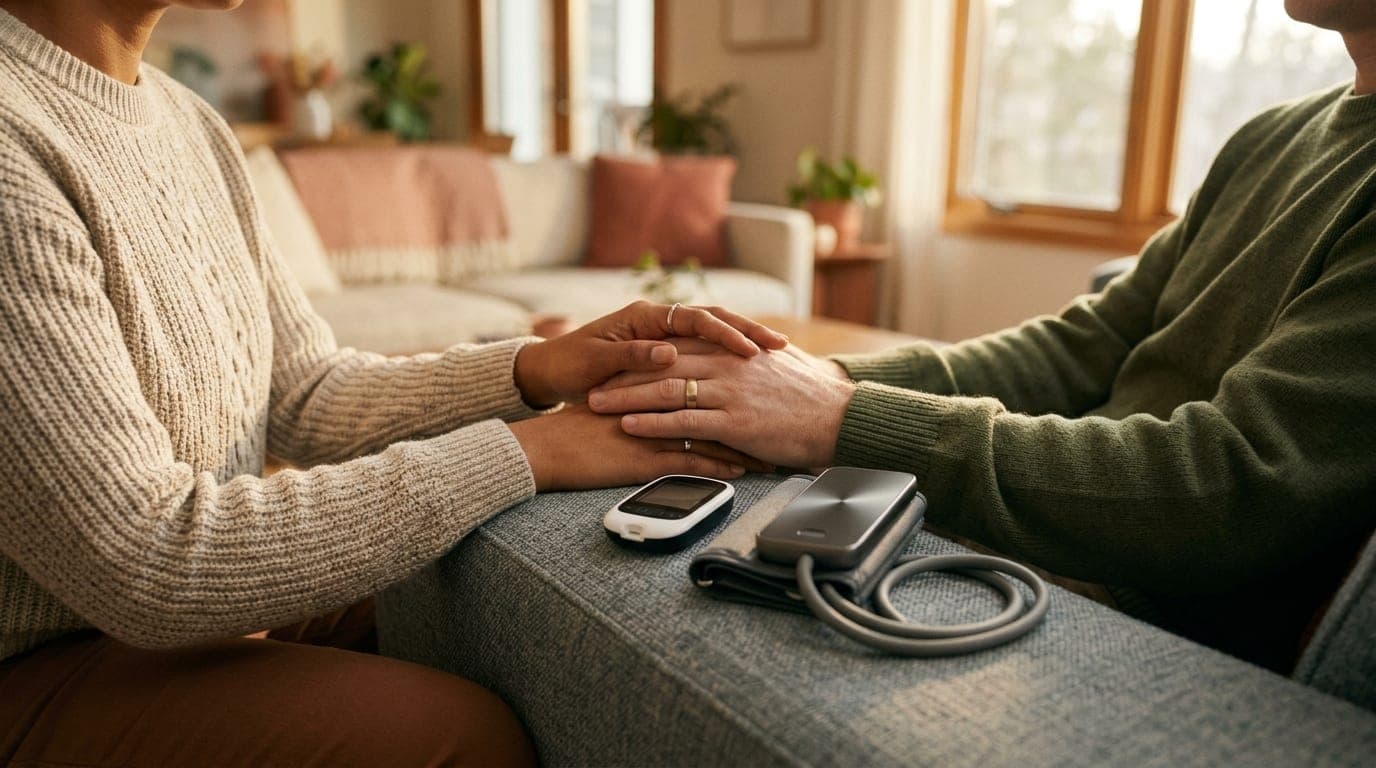
The Impact of Sleep Apnea on Sexual Function: A Comprehensive Guide to Restoring Intimacy
✔
Reviewed for accuracy | Not a substitute for medical advice
Sponsored Content
Sponsored Content
Frequently Asked Questions
While sleep apnea can lead to vascular damage over time, the erectile dysfunction it causes is often reversible with consistent treatment. By restoring oxygen levels and hormonal balance through CPAP or other therapies, many men find their sexual function significantly improves. However, long-term untreated apnea can contribute to permanent cardiovascular issues, making early diagnosis essential.
For women, sleep apnea often leads to decreased libido, vaginal dryness, and difficulty achieving orgasm. This is due to a combination of chronic fatigue, hormonal disruptions (such as lower estrogen levels), and the physiological stress of oxygen deprivation. Treating the apnea often resolves these issues by improving energy levels and restoring the body's natural arousal response.
It is common to feel a psychological adjustment period when starting CPAP. The presence of a machine and mask can feel unappealing at first. However, this is usually temporary. Once the body begins receiving adequate oxygen and rest, the physiological drive for sex typically increases, and most users find their sexual satisfaction improves within a few months.
In many cases, yes. Weight loss reduces the fatty tissue around the airway, which can eliminate or significantly reduce sleep apnea events. Simultaneously, weight loss improves blood flow and can naturally boost testosterone and estrogen levels, directly addressing the underlying causes of sexual dysfunction associated with sleep apnea.
Loud snoring without apnea (primary snoring) can still impact sexual function indirectly. It often disrupts the partner's sleep, leading to resentment and 'sleep divorce,' where partners sleep in separate rooms. This lack of physical proximity and the resulting fatigue for both parties can significantly diminish a couple's intimate life.
Disclaimer: This content is for informational purposes only and is not a substitute for professional medical advice, diagnosis, or treatment.
As of August 2026, the medical community increasingly recognizes that sleep is not merely a period of rest, but a critical regulatory phase for reproductive and vascular health. The impact of sleep apnea on sexual function is a significant health concern that affects millions of adults worldwide, often manifesting as a silent thief of intimacy and desire. When breathing is repeatedly interrupted during the night—a hallmark of obstructive sleep apnea (OSA)—the body is subjected to intermittent hypoxia (low oxygen levels) and chronic fragmentation of sleep architecture. These physiological stressors trigger a cascade of hormonal and vascular changes that directly interfere with sexual response, making it vital for patients to understand the deep connection between their airway health and their bedroom experiences.
Key Facts About the-impact-of-sleep-apnea-on-sexual-function
The impact of sleep apnea on sexual function is characterized by a high prevalence of erectile dysfunction in men and reduced lubrication and desire in women. Research indicates that chronic sleep deprivation and oxygen desaturation impair the body’s ability to produce essential hormones and maintain the vascular health required for normal sexual responses and satisfaction.
Studies show that nearly 50% of women with obstructive sleep apnea report significant sexual distress or dysfunction (National Institutes of Health, 2023).
Men with severe OSA have significantly lower morning testosterone levels compared to those with healthy sleep patterns (World Health Organization, 2024).
An estimated 30 million adults in the United States suffer from sleep apnea, yet up to 80% remains undiagnosed, leading to untreated sexual health issues (CDC, 2025).
Sponsored Content
The Biological Relationship and the-impact-of-sleep-apnea-on-sexual-function
The impact of sleep apnea on sexual function is rooted in the complex interplay between oxygen saturation and the endocrine system. When the airway collapses during sleep, the resulting drop in blood oxygen levels prevents the body from entering the deep REM cycles required for testosterone production and vascular repair, leading to systemic dysfunction.
To understand why sleep apnea is so detrimental to sexual health, we must look at the role of nitric oxide. Nitric oxide is a vasodilator—a signaling molecule that tells blood vessels to relax and open up. This process is essential for achieving and maintaining an erection in men and for genital engorgement and lubrication in women. Intermittent hypoxia, the periodic dropping of oxygen levels caused by sleep apnea, creates oxidative stress that damages the endothelium (the lining of the blood vessels). This damage reduces the bioavailability of nitric oxide. Without sufficient nitric oxide, the vascular system cannot respond to sexual stimuli, regardless of the level of psychological desire.
Furthermore, the-impact-of-sleep-apnea-on-sexual-function is tied to the autonomic nervous system. Sleep apnea keeps the body in a state of "fight or flight" due to the repeated gasping for air. This sympathetic nervous system activation increases cortisol levels and blood pressure. High cortisol is a known "libido killer," as the body prioritizes survival over reproduction. When your body feels like it is suffocating dozens of times per hour, it is biologically programmed to suppress sexual urges in favor of seeking safety and oxygen.
The fragmentation of sleep also disrupts the circadian rhythm of hormone release. For men, the majority of daily testosterone is produced during restorative sleep, particularly during the first episode of REM. If sleep is constantly interrupted by apnea events, testosterone production is blunted. For women, sleep apnea has been linked to disruptions in estrogen and progesterone balance, which can lead to vaginal dryness and a lack of sexual interest. By treating the underlying respiratory issue, individuals can often see a dramatic "reset" in their hormonal profile.
Practical Guidance for Managing the-impact-of-sleep-apnea-on-sexual-function
Addressing the-impact-of-sleep-apnea-on-sexual-function requires a multi-pronged approach that combines clinical intervention with lifestyle modifications. The primary goal is to stabilize the airway during sleep to ensure consistent oxygenation and uninterrupted sleep cycles, which allows the body to restore its natural hormonal and vascular rhythms for sexual health.
Undergo a Diagnostic Sleep Study: The first step is to confirm the presence and severity of apnea. Modern home sleep tests are convenient, though in-lab polysomnography remains the gold standard for detailed data on oxygen levels and sleep stages.
Commit to CPAP Therapy: Continuous Positive Airway Pressure (CPAP) is the leading treatment. While wearing a mask to bed may feel unsexy at first, the resulting increase in energy, mood, and erectile function usually far outweighs the initial aesthetic concerns.
Optimize Sleep Hygiene: Establish a consistent sleep schedule and ensure your bedroom is cool, dark, and quiet. Reducing alcohol consumption, especially before bed, is crucial because alcohol relaxes the throat muscles and worsens apnea events.
Communicate with Your Partner: Sleep apnea often affects the partner’s sleep as well. Discussing the condition as a shared health goal rather than a source of shame can reduce the psychological pressure that often accompanies sexual dysfunction.
In addition to these steps, weight management plays a significant role in reducing the severity of sleep apnea. Excess tissue around the neck can compress the airway. Research has shown that even a 10% reduction in body weight can lead to a significant improvement in the Apnea-Hypopnea Index (AHI). As the AHI improves, patients frequently report a spontaneous return of morning erections and an increase in general sexual desire. This holistic improvement demonstrates that the-impact-of-sleep-apnea-on-sexual-function is often reversible with dedicated care.
Treatment Alternatives for the-impact-of-sleep-apnea-on-sexual-function
The impact of sleep apnea on sexual function can be mitigated through various medical interventions ranging from mechanical devices to surgical options. Choosing the right treatment depends on the severity of the apnea, the patient’s anatomy, and their lifestyle preferences, with the ultimate goal of improving both respiratory and sexual health.
Option
Effectiveness
Considerations
CPAP Therapy
High (Gold Standard)
Requires nightly mask use; highly effective for reversing ED and low libido.
Mandibular Advancement Device (MAD)
Moderate to High
A custom dental appliance that shifts the jaw forward; more portable than CPAP.
Positional Therapy
Low to Moderate
Uses devices to prevent sleeping on the back; best for mild, positional apnea.
Hypoglossal Nerve Stimulation
High
Surgical implant (like Inspire) that keeps the airway open; for those who fail CPAP.
While CPAP remains the most common recommendation, many patients find success with Mandibular Advancement Devices (MADs). These are particularly useful for those with mild to moderate apnea who find the CPAP mask intrusive during intimate moments. By keeping the jaw in a forward position, these devices keep the airway open without the need for a machine and hose. However, for severe cases, CPAP is usually necessary to provide the pressure required to prevent airway collapse and the subsequent drop in oxygen that fuels sexual dysfunction.
It is also worth noting that some patients may seek temporary pharmacological help, such as PDE5 inhibitors (e.g., Viagra or Cialis), while they wait for sleep apnea treatments to take full effect. While these medications can help with the symptoms of erectile dysfunction, they do not address the underlying oxygen deprivation or hormonal imbalances. Therefore, they should be used as a supplement to, not a replacement for, primary sleep apnea treatment when addressing the-impact-of-sleep-apnea-on-sexual-function.
The Psychological Toll and Relationship Dynamics
Beyond the biological mechanisms, the-impact-of-sleep-apnea-on-sexual-function extends deep into the psychological and emotional realm. Chronic fatigue is one of the most common symptoms of sleep apnea, and a person who is perpetually exhausted rarely has the mental energy for intimacy. This "fatigue-induced low libido" can be misinterpreted by partners as a lack of attraction, leading to relationship strain and a decrease in non-sexual physical affection.
The "sleep divorce"—where partners sleep in separate rooms due to loud snoring—is another major consequence. While separate rooms can help the non-apneic partner get rest, it reduces the spontaneous opportunities for physical closeness that are vital for a healthy sex life. When the-impact-of-sleep-apnea-on-sexual-function results in a lack of physical proximity, the emotional bond can suffer. Treating sleep apnea often allows couples to return to the same bed, which is a foundational step in rebuilding intimacy.
Depression and anxiety are also highly comorbid with sleep apnea. The struggle to breathe at night puts the brain in a state of chronic stress, which can manifest as clinical depression. Depression itself is a major cause of sexual dysfunction, and many antidepressant medications carry side effects that further lower libido or cause difficulty reaching orgasm. By addressing the respiratory issue, many patients find their mood improves naturally, which in turn benefits their sexual health and overall quality of life.
When to See a Doctor
The impact of sleep apnea on sexual function should be discussed with a medical professional if you experience persistent erectile dysfunction, a sudden drop in libido, or if your partner notices gasping and choking sounds during your sleep. Early intervention can prevent long-term vascular damage and help restore your hormonal balance and sexual vitality.
Many people feel hesitant to bring up sexual concerns during a routine check-up, but for healthcare providers, these symptoms are often the "canary in the coal mine" for cardiovascular and respiratory issues. If you are experiencing daytime sleepiness, morning headaches, and a lack of sexual desire, you should specifically ask for a sleep evaluation. Do not assume that these are just natural parts of aging. Sleep apnea is a treatable medical condition, and the recovery of your sexual function is a valid and important goal of therapy.
Where to Get Tested or Get Help
The impact of sleep apnea on sexual function is best managed through a collaboration between sleep specialists, urologists, or sexual health experts. You can start by visiting your primary care physician for a referral to a board-certified sleep specialist, or seek out accredited sleep centers that offer comprehensive diagnostic testing and personalized treatment plans.
Organizations like the American Academy of Sleep Medicine (AASM) provide directories of accredited facilities. Additionally, if you are struggling with the psychological or relationship aspects of the-impact-of-sleep-apnea-on-sexual-function, a certified sex therapist can help you and your partner navigate the changes in your intimacy as you begin treatment. Remember that seeking help is a sign of strength and a commitment to your overall well-being and your relationship's health.
Sources
Centers for Disease Control and Prevention (CDC). (2024). *Sleep and Sleep Disorders: Data and Statistics*.
World Health Organization (WHO). (2024). *Chronic Respiratory Diseases and Their Systemic Effects*.
National Institutes of Health (NIH). (2023). *Obstructive Sleep Apnea and its Effects on Female Sexual Function*.
Planned Parenthood. (2025). *Sexual Health and Wellness: Understanding the Physical Factors*.
Centers for Disease Control and Prevention (CDC). (2025). *Prevalence of Undiagnosed Sleep Apnea in the U.S. Population*.