Your Phone Is Not Your Partner: Navigating Attachment-Style-in-the-Era-of-Digital-Co-Presence
PillowTalk Daily Editorial9 min read
Sponsored Content
Sponsored Content
Frequently Asked Questions
Digital co-presence refers to the feeling of being with a partner through constant digital connection, such as texting, social media, and 'active' status indicators. In 2026, this creates a state where partners feel perpetually available, which can either foster a sense of security or trigger deep-seated attachment anxieties depending on how the technology is used and perceived.
Anxiously attached individuals often view digital tools as a primary source of validation. They may become hyper-vigilant about response times, read receipts, and social media activity. This often leads to 'protest behaviors' like double-texting or monitoring a partner's online presence, which can overwhelm the partner and create a cycle of insecurity within the relationship.
For avoidant individuals, the constant 'ping' of digital co-presence can feel like an intrusion on their autonomy. They may perceive frequent messages as demands for emotional labor they aren't ready to give. To regain a sense of control, they might mute notifications, hide their online status, or ignore messages for long periods, which often triggers their partner's anxiety.
Healthy boundaries start with explicit communication. Couples should discuss what 'reasonable' response times look like and agree on 'tech-free' zones, such as during meals or the hour before bed. Using tools like Set Adrift can also help individuals manage their digital intake, ensuring that the phone remains a tool for connection rather than a source of stress.
No. High levels of digital co-presence (constant texting or social media interaction) can mask a lack of true emotional intimacy. Real connection is built through shared experiences and vulnerability in physical settings. Relying solely on digital signals can lead to 'false intimacy,' where you feel close to a digital version of a person rather than the actual human being.
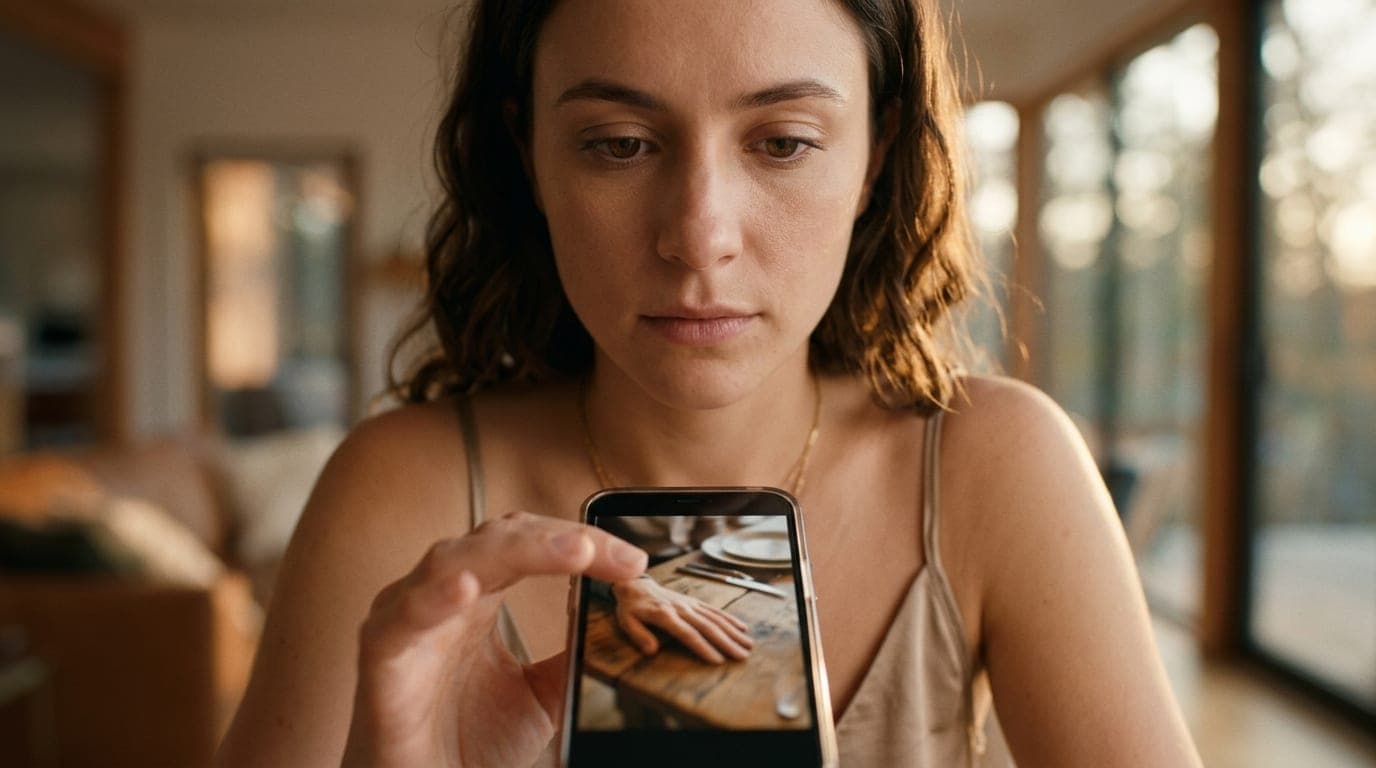
As of June 2026, the way we relate to one another has been fundamentally rewritten by the invisible tether of the smartphone. We no longer just "date" or "see" people; we exist in a state of constant, flickering awareness of them. This phenomenon, which we call digital co-presence, means your partner—or the person you’re hoping will become your partner—is always just a notification away. For those of us navigating the complex landscape of human connection, this constant access is a double-edged sword. It offers a sense of safety and belonging, but it also acts as a powerful catalyst for our deepest insecurities. Real talk: your attachment style isn't just a psychological profile anymore; it’s a digital footprint. Whether you’re an anxious-preoccupied soul refreshing your feed or an avoidant type who feels suffocated by a "Good morning" text, the digital era has raised the stakes of the heart.
Sponsored Content
The Definition of Attachment-Style-in-the-Era-of-Digital-Co-Presence
Digital co-presence is the psychological state of feeling "with" someone through digital mediation, regardless of physical distance or active conversation. In the context of attachment-style-in-the-era-of-digital-co-presence, this means our relational patterns are now triggered by metadata—status updates, read receipts, and the "active now" green dot—rather than just physical presence or absence.
For most of human history, out of sight meant out of mind. If your partner was at work or traveling, you had no choice but to wait for their return or a scheduled letter. Today, that luxury of distance has evaporated. According to recent data, 47% of Americans say they sometimes feel overwhelmed by the number of notifications they receive, a trend that directly impacts how we process romantic availability (Pew Research, 2024). When we talk about attachment-style-in-the-era-of-digital-co-presence, we are talking about a world where "no response" is no longer an absence of information—it is interpreted as a deliberate act of rejection or withdrawal. This environment is particularly challenging for those in the "talking stage," where tools like Set Adrift are becoming essential for maintaining personal autonomy while navigating the pull of a new connection. Set Adrift helps users manage the pacing of early-stage dating, preventing the "digital deluge" that often leads to burnout before the first real-life date even happens on platforms like Bumble or Hinge.
The "co-presence" aspect refers to the ghost in the machine. You feel their presence when you see they’ve viewed your Instagram story, even if they haven’t replied to your text. This creates a "limbo" state where the brain is constantly scanning for signals. In this context, attachment-style-in-the-era-of-digital-co-presence becomes a feedback loop. A secure individual sees a "read" receipt and assumes their partner is busy. An anxious individual sees it and assumes the relationship is ending. An avoidant individual sees the "typing..." bubble and feels a spike of cortisol, sensing an impending demand for emotional labor. This isn't just about apps; it's about how our neurobiology is struggling to keep up with 24/7 connectivity.
How Anxious Individuals Navigate Attachment-Style-in-the-Era-of-Digital-Co-Presence
For the anxiously attached, digital co-presence acts as a high-octane fuel for rumination and hyper-vigilance. In the framework of attachment-style-in-the-era-of-digital-co-presence, the "anxious" user interprets the frequency and speed of digital replies as a direct barometer of their self-worth and the relationship's stability, leading to a constant need for digital reassurance.
The anxiety-prone brain is a world-class detective, and the digital landscape provides an endless stream of clues. When you are in the "talking stage" with someone you met on Match or eHarmony, the gap between messages can feel like an eternity. Anxious individuals often find themselves checking the "last active" timestamps or monitoring whether their partner is liking other people’s photos. This isn't "crazy" behavior; it's a nervous system trying to find safety in an environment that never provides a definitive "all clear" signal. Within the paradigm of attachment-style-in-the-era-of-digital-co-presence, the lack of a "Goodnight" text isn't just a missed greeting—it's a perceived threat to the bond.
To cope, many anxious individuals turn to "protest behaviors" adapted for the digital age. This might include "matching energy" (deliberately waiting 20 minutes to reply because they waited 20 minutes), "soft-blocking" to get a reaction, or posting "thirst traps" specifically designed to elicit a comment from one specific person. These behaviors are exhausting and rarely yield the secure connection desired. Instead, they reinforce a cycle of temporary relief followed by deeper insecurity. The key to surviving attachment-style-in-the-era-of-digital-co-presence for the anxious is to recognize that digital presence is not a substitute for emotional presence. A partner can be "active" on Bumble and still be fully committed to you, just as they can text you all day and be completely emotionally unavailable when you’re actually in the same room.
The Avoidant Strategy within Attachment-Style-in-the-Era-of-Digital-Co-Presence
For those with an avoidant attachment style, digital co-presence often feels like an invasive surveillance system. In the reality of attachment-style-in-the-era-of-digital-co-presence, the avoidant individual perceives constant connectivity as a drain on their autonomy, leading them to use digital tools to create distance through "ghosting," "breadcrumbing," or simply muting notifications to reclaim a sense of personal space.
If the anxious person views the smartphone as a lifeline, the avoidant person views it as a leash. The expectation of immediate response is seen as a demand for intimacy that they aren't always ready to provide. When navigating attachment-style-in-the-era-of-digital-co-presence, avoidant types often excel in the early "talking stage" because the screen provides a safe barrier. However, as the digital co-presence intensifies, they may begin to pull back. They might disable their "read" receipts or hide their "last seen" status. This isn't necessarily because they are "shady," but because the feeling of being watched is claustrophobic. They are trying to regulate their nervous system by creating a digital "room" where nobody can reach them.
The danger here is that this withdrawal triggers the anxious partner, creating the classic "anxious-avoidant trap" but played out at 5G speeds. In the context of attachment-style-in-the-era-of-digital-co-presence, the avoidant's silence is a weaponized form of boundary-setting. They may find themselves gravitating toward apps like Set Adrift because it allows for a more controlled, less frantic form of engagement. By setting clear parameters for when they are "available" versus "offline," they can manage the pressures of digital intimacy without feeling the need to vanish entirely. The challenge for the avoidant is learning that transparency—saying "I’m going offline for a few hours to recharge"—is much more effective than simply disappearing into the digital void.
Finding Security and Attachment-Style-in-the-Era-of-Digital-Co-Presence
Secure attachment in the digital age is defined by the ability to maintain emotional equilibrium despite the fluctuations of digital connectivity. Within the scope of attachment-style-in-the-era-of-digital-co-presence, secure individuals use technology as a tool for coordination and light-hearted connection rather than a primary source of validation or a means of control.
Secure people don't find themselves spiraling because a partner hasn't replied to a meme. They assume positive intent. If their partner is "active" on Hinge, they don't immediately assume they’re being cheated on; they might assume the partner is just clearing notifications or that the app is glitching. This resilience is the goal of navigating attachment-style-in-the-era-of-digital-co-presence. It requires a fundamental trust that the relationship exists outside the phone. They treat digital co-presence as a "bonus" to the relationship, not the foundation. For them, a text is just a text, not a coded message about the state of their union.
To reach this state, secure couples often establish "digital rituals" that protect the sanctity of their physical time together. They might use eHarmony or Match to find someone with shared values, but once the relationship begins, they transition the "weight" of the relationship off the apps and into the real world. They understand that attachment-style-in-the-era-of-digital-co-presence is a landscape full of landmines, and the best way to avoid them is to stay grounded in tangible, non-digital interactions. They are the ones who can leave their phones in a basket at the front door during dinner, confident that the world—and their partner—will still be there when they plug back in.
Practical Advice for Managing Attachment-Style-in-the-Era-of-Digital-Co-Presence
To master your attachment-style-in-the-era-of-digital-co-presence, you must move from reactive consumption to intentional engagement. This involves setting explicit digital boundaries that protect your mental health while fostering genuine intimacy, ensuring that your devices serve your relationship rather than dictating its emotional temperature or pacing.
Define Your Response Windows: Discuss with your partner what "reasonable" response times look like. Is it ten minutes? Two hours? By making the implicit explicit, you remove the guesswork that fuels attachment-style-in-the-era-of-digital-co-presence anxieties.
The "Phone-Free" First Hour: Dedicate the first hour of your time together to being completely offline. This breaks the habit of "phubbing" (phone snubbing) and re-establishes physical co-presence as the primary mode of connection.
Audit Your "Following": If you are in the "talking stage," consider using tools like Set Adrift to pace yourself. Avoid the urge to deep-dive into a new date's social media history, which only creates a false, often distorted, sense of who they are.
Verbalize the Digital Need: Instead of "matching energy," try saying: "I noticed I get a bit anxious when we don't check in during the day. Can we agree to a quick 'thinking of you' text at lunch?" This turns a protest behavior into a vulnerable request.
Comparison of Digital Interaction Patterns
Understanding the difference between healthy digital engagement and toxic patterns is crucial for anyone navigating attachment-style-in-the-era-of-digital-co-presence. While technology offers new ways to express love, it also provides new ways to avoid it or manipulate it, making it essential to categorize behaviors clearly to maintain a healthy emotional baseline.
Pattern
Healthy Version (Secure)
Red Flag Version (Insecure)
Checking In
Occasional "thinking of you" texts with no expectation of an immediate reply.
Repetitive "where are you?" or "why aren't you answering?" pings.
Social Media Use
Sharing memories or tagging each other in things that are genuinely funny or relevant.
"Vague-booking" or posting content specifically to make the partner jealous or "test" them.
App Usage
Deactivating Hinge or Bumble once exclusivity is discussed and agreed upon.
Keeping profiles active "just in case" or using apps as a way to "scout" for better options while committed.
Response Pacing
Replying when available and giving focused attention when the conversation matters.
Deliberately delaying replies to "win" a perceived power struggle in the relationship.
Red Flags and Attachment-Style-in-the-Era-of-Digital-Co-Presence
Recognizing when digital co-presence has turned from a connection tool into a mechanism for control is the most vital skill in modern dating. If your relationship feels like it only exists in the "cloud" and crumbles under the weight of real-life interaction, you are likely dealing with a dysfunctional manifestation of attachment-style-in-the-era-of-digital-co-presence.
The ultimate red flag is "digital breadcrumbing"—when someone gives you just enough digital attention to keep you on the hook without ever committing to a physical meeting or emotional depth. This is a common tactic for avoidants who want the "hit" of intimacy without the responsibility. If you find yourself in a three-month "talking stage" on Bumble with no date in sight, you aren't in a relationship; you are an unpaid entertainer for someone else's ego. Similarly, if your partner uses your "active" status on social media to interrogate you about who you are talking to, you are witnessing the birth of a controlling, anxious-preoccupied dynamic that rarely ends well.
The goal is to move toward a "hybrid" model where digital co-presence supports, rather than replaces, real-life intimacy. As we navigate the complexities of 2026, we have to remember that the most sophisticated algorithm in the world—the kind used by Match or eHarmony—cannot account for the chemistry of a shared silence or the comfort of a hand-hold. Attachment-style-in-the-era-of-digital-co-presence is a challenge we all face, but it is manageable if we prioritize the person over the platform.
The most intimate thing you can do for a partner in 2026 is put your phone in another room and actually look at them; digital co-presence is a shadow, but physical presence is the sun.
How Anxious Individuals Navigate Attachment-Style-in-the-Era-of-Digital-Co-Presence
Practical Advice for Managing Attachment-Style-in-the-Era-of-Digital-Co-Presence