Dating Sober: Is Choosing Sobriety a Dealbreaker or a Blessing in Your Love Life?
PillowTalk Daily Editorial10 min read
Sponsored Content
Sponsored Content
Frequently Asked Questions
Keep it brief, confident, and casual. You can mention it naturally when picking a date spot by saying, 'I don't drink alcohol, but I love a place with good coffee or great mocktails.' Stating it casually without over-explaining sets a confident tone and signals that your boundary is non-negotiable.
Yes, provided their drinking habits don't compromise your recovery or personal comfort. Many sober individuals successfully date moderate social drinkers. The crucial factor is mutual respect: your partner must fully support your sobriety, never pressure you, and maintain control over their own consumption when spending time together.
Treat any pressure to drink as an immediate, major red flag. Firmly repeat your boundary once: 'No thanks, I don't drink.' If they continue to push, joke, or negotiate, politely wrap up the date and end contact. Someone who disrespects a basic boundary early on will likely disrespect larger boundaries later.
When you choose not to drink, it often acts as an unintentional mirror, causing people who rely on alcohol for social ease to reflect on their own habits. Their self-consciousness or defensiveness is a projection of their personal insecurities, not a reflection of your choice or social value.
Activity-based dates are ideal because they reduce direct pressure while fostering natural interaction. Great options include visiting art museums, trying specialty coffee spots, attending food tastings, playing mini-golf, going to arcade bars with mocktails, or taking an interactive cooking class together.
As of August 2026, the traditional happy-hour date is no longer the undisputed default ritual of modern romance. For decades, alcohol served as the ultimate social lubricant—the universal cheat code used to ease nerves, lower inhibitions, and fast-track a sense of intimacy during early romantic encounters. But as a growing cultural shift toward mindful living, clear-headed connection, and dry dating takes hold, millions of singles are stepping into the dating arena without a glass of liquid courage in hand. The transition, however, is rarely seamless. Choosing to navigate the dating scene while abstaining from alcohol inevitably prompts a crucial question: Is dating sober a fatal dealbreaker that shrinks your match pool, or a profound blessing that protects your time, heart, and long-term peace?
The truth, as usual, lives in the gray area between romantic fantasy and harsh social reality. Abstaining from alcohol while dating fundamentally changes how you experience chemistry, how fast you notice red flags, and how you filter potential partners on apps like Hinge, Bumble, Match, and eHarmony. It strips away the comforting fog that often makes mediocre conversation feel brilliant or questionable behavior seem charming. While some potential matches may view your sobriety as a inconvenience or an implicit judgment on their own habits, others see it as a rare mark of self-awareness and baseline maturity. At PillowTalk Daily, we look at real relationship dynamics with frank empathy and zero judgment. Here is an honest, practical, and unvarnished breakdown of how sober dating operates in today's romantic ecosystem, what it reveals about prospective partners, and how to navigate it without feeling compromised or exhausted.
Sponsored Content
Is Choosing a Dating-Sober-Dealbreaker-or-Blessing Dynamic Right for You?
Evaluating a dating-sober-dealbreaker-or-blessing choice depends on whether you view alcohol as essential social lubrication or an obstacle to authentic intimacy. Choosing sobriety filters out partners who rely on liquid courage, transforming early romantic encounters into clear, honest assessments of mutual emotional presence, shared personal values, and true physical chemistry.
When you eliminate alcohol from the equation, the entire nature of the first date fundamentally shifts. Historically, grabbing a drink was favored because it was low-investment, easily scalable, and provided a built-in off-ramp if things went poorly. If the date was awkward, another cocktail offered a buffer; if the date went well, alcohol lowered barriers to physical affection. However, this convenience often came at a hidden cost: false intimacy. Drinks can make an emotionally unavailable person seem fascinating for two hours, or turn a total lack of intellectual connection into a fuzzy, pleasurable haze. When the booze vanishes, you are left with the unvarnished reality of the person sitting across from you—and your own unedited, genuine reaction to them.
This dynamic acts as an immediate, highly effective diagnostic tool. According to recent demographic research, 31% of Gen Z and Millennial singles actively prefer sober first dates over drinking encounters (Bumble, 2024). This shift reflects a broader weariness with superficial interactions and post-date hangovers. When you disclose your sobriety—whether you are in long-term recovery, taking a break for health reasons, or simply dislike how drinking makes you feel—you instantly observe how a potential match handles differences in lifestyle. A person who responds with genuine curiosity, adaptability, or easy validation is demonstrating foundational emotional safety. Conversely, someone who acts personally offended, insists that you "just have one," or frets that you won't be "fun" is handing you vital information on day one. They are showing you that their comfort relies on conformity, and that they lack the emotional intelligence required for dynamic relationship building.
Far from being a penalty, sober dating reframes early interactions around substance over performance. It forces both people to show up as they actually are, removing the false warmth of highballs and IPAs. It may feel like a high-stakes filter at first, but it saves months of energy that might otherwise be squandered on partners who are only compatible with you when your guard—and your clarity—is down.
Navigating the Talking Stage: When Dating Sober Leaves You Feeling Set Adrift
Without the customary buffer of alcohol during the initial talking stage, many singles experience feeling set adrift in unfamiliar emotional territory. Stripping away liquid courage exposes raw awkwardness, but it also creates the exact vulnerability necessary to determine whether a genuine, lasting connection exists beyond surface-level physical attraction.
The early talking stage is notoriously fragile. It is that transitional window where text exchanges on Hinge or Bumble turn into real-life plans, and both parties are attempting to project confidence while assessing risk. For generations, alcohol served as the anchor during this stage—a social crutch that absorbed awkward silences, softened clunky jokes, and provided a shared, predictable activity. Without that routine, many sober singles report feeling raw and ungrounded. In those quiet moments between orders when you are holding a club soda with lime, you might feel like you've been set adrift without a map, forced to raw-dog early romantic tension in real time.
This sensation of being set adrift during the talking stage is entirely normal, but it is also where the magic happens. Alcohol often acts as emotional noise-cancellation; removing it exposes the baseline texture of your conversation. Are the silences comfortable, or do they feel agonizing? Is the person sitting opposite you capable of carrying a dialogue without holding a pint? Do they seem comfortable in their own skin? Research indicates that 41% of adults acknowledge using alcohol on initial dates specifically as an emotional buffer against social anxiety (Pew Research, 2023). When you decline that buffer, you are choosing to confront social anxiety directly, which takes immense courage. But the reward is immense: when you feel a spark while completely sober, you know with absolute certainty that the connection is real, unmanufactured, and rooted in genuine human resonance.
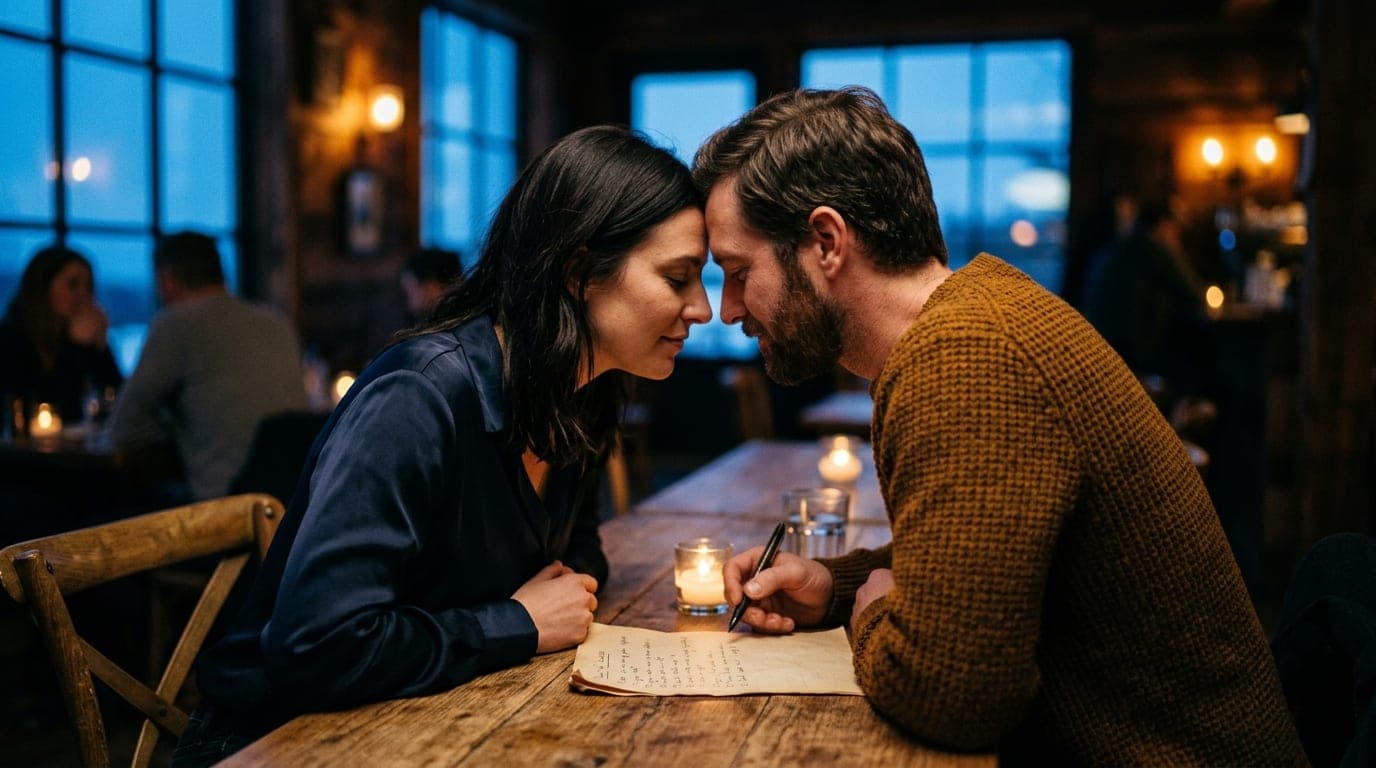
To navigate this stage without feeling overwhelmed, it helps to alter the environment itself. Expecting a sober date to feel comfortable in a dark, sticky-floored bar while everyone around you is getting progressively louder is setting yourself up for alienation. Instead, anchor your talking stage in settings that encourage presence. Coffee shops, morning walks, art galleries, high-end mocktail lounges, or pottery classes give both people something external to focus on, reducing the immediate pressure to perform while allowing your natural chemistry to reveal itself naturally.
Four Actionable Tactics for Navigating the Dating-Sober-Dealbreaker-or-Blessing Reality
Navigating sober dates successfully requires clear communication, intentional venue selection, and emotional groundedness. By framing your sobriety with quiet confidence rather than defensive justification, you control the narrative, maintain your personal boundaries, and immediately observe how a potential partner handles adult communication and mutual respect.
If you want to maintain your boundaries without making dates feel like clinical interrogations or awkward negotiations, you need tactical, real-world tools. Sobriety does not need to be a heavy, dramatic declaration unless you want it to be. How you frame it dictates how your date receives it. Here are four practical strategies to keep your sober dating experience empowered, authentic, and effective:
Own your narrative early and casually. You do not owe anyone your full personal history on an app or a first date, but dropping a low-key mention in your profile or early texting phase removes the guesswork. A simple line like "Big fan of great mocktails, outdoor coffee walks, and crisp ice water" sets the stage instantly. If it comes up in conversation, state it as a simple fact rather than a confession: "I don't drink, but I'm always down for a great tonic and lime." Firm, neutral delivery signals that your choice is non-negotiable and unbothered, which prevents insecure dates from trying to negotiate with you.
Take charge of location planning. Do not leave venue selection to chance or default to "let's grab a drink." When planning a date on eHarmony, Match, or Hinge, step up with concrete proposals that fit your comfort zone. Suggest a specialty coffee roaster, a museum late-night exhibit, an outdoor mini-golf course, or a trendy spot known for handcrafted zero-proof cocktails. By initiating the plan, you eliminate the awkward "Oh, do they have anything I can drink?" moment at a dive bar, while demonstrating leadership and creativity.
Separate your date's drinking from your own comfort level. Before stepping out, establish your internal boundaries. Are you comfortable if your date orders a glass of wine or a beer, or do you prefer a partner who abstains around you? Neither answer is wrong, but clarity is essential. If you don't mind them drinking moderately, say so smoothly: "Feel free to get whatever you like, I'm sticking to sparklers tonight." If you require a completely dry environment, choose venues where alcohol isn't served at all, such as daytime cafes or juice bars, to avoid unnecessary friction.
Establish a clear, time-boxed exit strategy. Sober dates allow you to evaluate reality quickly, which means you will know much faster if chemistry is lacking. Give yourself a natural end time beforehand—such as a 75-minute coffee window or a scheduled post-date call with a friend. Having a defined endpoint relieves the pressure to linger when a date isn't working, protecting your energy and preventing that drained, over-exposed feeling that can occur when navigating sober social environments for too long.
Evaluating Compatibility in a Dating-Sober-Dealbreaker-or-Blessing Landscape
Determining if your sober lifestyle is a dealbreaker or a blessing to someone else depends on observing their behavioral responses. A compatible match displays curious encouragement and flexible date planning, whereas an incompatible partner expresses defensive pressure, dismissive jokes, or anxiety about how your sobriety reflects on their own habits.
When you take alcohol out of the picture, human behavior becomes remarkably easy to read. Drinking often obscures boundary violations, subtle disrespect, and emotional insecurity under the guise of "having fun" or "being wild." Sober dating acts like a high-definition lens, magnifying how potential partners respond when they encounter a boundary that differs from their social norms. Pay close attention to the patterns that emerge during early interactions, as they offer an early forecast of how this person will treat your boundaries in other areas of life—such as physical consent, emotional intimacy, and work-life balance.
To help you distinguish between healthy social dynamics and concerning behavioral patterns, consider this operational comparison of common reactions you might encounter when dating sober:
Pattern
Healthy Version
Red Flag Version
Disclosing Your Sobriety
Responds with straightforward acceptance, easy validation, or neutral curiosity ("That's awesome, what's your favorite go-to mocktail spot?").
Demands an immediate, detailed explanation, acts visibly disappointed, or asks probing questions like "Is it forever?" or "Not even on special occasions?"
Venue Selection
Eagerly adapts to alcohol-free environments, suggests creative daytime options, or makes sure the venue has quality non-alcoholic drinks.
Insists on going to a alcohol-centric bar, makes fun of non-alcoholic options, or complains that non-drinking venues are "boring."
Social Dynamics
Remains present, attentive, and engaged, focusing on direct eye contact, mutual conversation, and genuine active listening.
Paces drinks rapidly to compensate for their own anxiety, checks their phone repeatedly, or complains about feeling self-conscious drinking alone.
Respecting Boundaries
Consistently honors your drink choices without comment or pressure, and orders non-alcoholic beverages themselves out of solidarity or casual preference.
Repeatedly offers you sips of alcoholic drinks, tries to persuade you to break your streak, or jokes that you need to "loosen up."
Notice how the green flags in this table aren't about finding someone who is also 100% sober (unless that is your explicit personal requirement). Rather, green flags center on emotional flexibility, respect for personal autonomy, and basic self-security. A person who is comfortable in their own skin will rarely care what liquid is inside your glass. They are focused on who you are, how you treat them, and whether your personalities click. On the flip side, someone who reacts to your sobriety with defensiveness or subtle coercion is usually projecting their own uneasy relationship with alcohol onto you. Their discomfort has nothing to do with you and everything to do with their reliance on substances to handle vulnerability.
When to Walk Away in the Dating-Sober-Dealbreaker-or-Blessing Quest
You should walk away from a potential relationship the moment a partner repeatedly challenges your decision to abstain from alcohol or makes your sobriety feel like a burden. Respecting your personal choices is the minimum threshold for emotional intimacy, and continuous friction over drinking reveals deep lifestyle incompatibility.
There is a massive difference between initial curiosity and ongoing boundary erosion. When you start dating someone new, it is completely normal for them to ask a few respectful questions about your decision not to drink, especially if drinking is central to their current social group. Honest questions like "How long have you been sober?" or "Do you mind being around people who drink socially?" are normal attempts to understand your boundaries. However, you must learn to recognize when respectful curiosity turns into micro-aggressions, boundary testing, or persistent belittling.
If you find yourself constantly defending your sobriety, managing your partner's insecurity about their own drinking, or feeling isolated on dates, that is your explicit signal to walk away. Life is too short, and dating is already complex enough without having to renegotiate basic respect every time you sit down at a dinner table. A partner who views your sobriety as an obstacle or a project to "fix" is telling you that they care more about social conformity and personal comfort than about your well-being, clarity, and personal choices.
The right person will never require you to poison your peace, alter your boundaries, or dim your clarity just so they can feel comfortable sitting across the table from you.
Ultimately, choosing to date sober is one of the most powerful self-selection mechanisms available in modern romance. It filters out low-effort suitors, exposes boundary violators early, and ensures that when you do find love, it is built on a rock-solid foundation of genuine presence, true chemistry, and deep mutual respect. Treat your sobriety not as a limitation to hide, but as a prized asset that safeguards your heart. The right partner will not see it as a compromise—they will view your clarity and self-possession as one of the most attractive things about you.