The Climate of Love: Navigating Dating-With-Eco-Anxiety Without Losing Your Mind
PillowTalk Daily Editorial9 min read
Sponsored Content
Sponsored Content
Frequently Asked Questions
Keep it low-pressure but honest. Instead of a lecture, mention how a recent climate event made you feel or share a sustainable hobby you love. If they respond with curiosity or shared concern, it's a green light. If they shut down or mock the topic, you’ve saved yourself a second date with someone who doesn’t share your reality.
Absolutely. Compatibility is about more than just chemistry; it's about shared values and a shared vision of the future. If your partner’s apathy or consumption habits trigger your anxiety or make you feel gaslit, the relationship is unsustainable. You deserve a partner who validates your worldview rather than one who makes you feel like you are overreacting to global crises.
While you can use that specific term, it's often more effective to list what you value. Use phrases like 'passionate about sustainability,' 'low-impact living,' or 'seeking a climate-aware partner.' This attracts people with the same mindset while framing your perspective as a proactive value rather than just a source of stress, helping you find better matches on apps like Hinge or Bumble.
It can, but only if the other partner is deeply empathetic and willing to adjust their lifestyle. The non-anxious partner doesn't have to feel the same level of dread, but they must respect your feelings and be willing to meet you halfway on practical decisions like household waste, travel, and long-term planning without making you feel judged or 'crazy.'
Focus on 'active hope' through shared action. Instead of doom-scrolling together, engage in community projects, garden, or advocate for local policy changes. Transforming shared anxiety into shared agency strengthens the bond and provides a sense of control. Establishing 'no-climate-talk' zones for date nights can also help prevent the relationship from being entirely consumed by existential dread.
As of July 2026, the romantic landscape has shifted from "What do you do for a living?" to "How are you handling the state of the world?" We are no longer living in a bubble where climate change is a distant "maybe" for our grandchildren; it is the backdrop of our Sunday morning coffee and our Friday night swipes. Dating-with-eco-anxiety isn't just a niche trend for activists; it is the baseline reality for anyone trying to build a future while the literal ground feels like it's shifting. It’s about finding someone who doesn’t just tolerate your dread but helps you turn it into something sustainable.
Why dating-with-eco-anxiety is the new core compatibility test
Dating-with-eco-anxiety is a fundamental compatibility filter because it reflects a person's core values, their capacity for empathy, and their long-term resilience in the face of systemic crisis. When partners differ wildly in their environmental concern, it creates a "value gap" that eventually manifests as daily friction over consumption, diet, and future-proofing, making harmony nearly impossible to maintain.
In the early 2010s, we cared about music tastes. In the 2020s, we care about whether a partner believes the world is worth saving. This isn't just about whether they recycle their oat milk cartons. It's about a deep-seated psychological alignment. If you are someone who stays up late reading IPCC reports, you cannot build a peaceful life with someone who thinks the solution to every problem is a bigger SUV and a subscription to fast-fashion brands. The friction isn't just about the objects; it's about the perceived lack of awareness. For many, 70% of singles now report that they find sustainable behaviors more attractive than high-status consumption (Bumble, 2023). This shift marks a transition from "performative dating" to "survival dating." We are looking for partners who can help us weather the storm—both literally and figuratively.
Furthermore, the psychological burden of climate change is unevenly distributed. If you are experiencing dating-with-eco-anxiety, you are likely looking for "environmental emotional intelligence." This is the ability of a partner to witness your grief for the natural world without trying to "fix" it or dismiss it as hysteria. When we look at the data, the stakes are rising. Approximately 37% of adults now state that climate change is a top priority that influences their daily life and major life decisions (Pew Research, 2024). In the context of a relationship, this means your "carbon footprint" is no longer a metaphor; it’s a lifestyle conflict. If one person wants to live off-grid and the other wants a luxury condo in a flood zone, the relationship has an expiration date that no amount of chemistry can fix.
The Ethics of family planning and dating-with-eco-anxiety
When navigating dating-with-eco-anxiety, the conversation around children becomes a central, often polarizing, theme that determines the viability of a long-term union. It involves weighing the biological desire for parenthood against the ethical concerns of bringing new life into an unstable environment, requiring partners to have high-level transparency about their reproductive "maybe" or "never" lists before deep emotional investment occurs.
This is perhaps the most painful part of the conversation. For previous generations, having children was the "default" setting of a serious relationship. Now, for those dating-with-eco-anxiety, it is a conscious, often agonizing choice. We are seeing a rise in "GINKS" (Green Inclinations, No Kids) as a primary relationship identity. It isn't just about the cost of diapers; it's about the "carbon cost" and the "quality of life" cost. When you’re in the "talking stage," perhaps using a prompt from Set Adrift to gauge their perspective on the future, the topic of children needs to be broached earlier than it used to be. You don't want to fall in love with someone whose vision of 2040 involves a minivan if yours involves a child-free community garden and a high-efficiency heat pump.
The "why" behind the child-free choice is also evolving. It’s no longer just about personal freedom; it’s about a sense of stewardship. Some feel it is a radical act of love *not* to bring a child into a world facing resource scarcity. Others feel that raising a generation of climate-resilient, empathetic humans is the best way to fight back. Both are valid, but they are rarely compatible in a marriage. Dating-with-eco-anxiety means finding someone who shares your specific brand of hope—or your specific brand of caution. If you are on the fence, you need a partner who is also comfortable in that gray area, rather than someone who views a lack of "traditional" family goals as a lack of commitment.
Practical advice for the green dating scene
Managing the logistics of dating-with-eco-anxiety involves moving away from high-waste "standard" dates and toward activities that foster genuine connection without contributing to environmental degradation. It requires a pivot toward intentionality, where the choice of a restaurant, a gift, or a weekend getaway serves as a micro-demonstration of shared values and a commitment to a lower-impact lifestyle together.
The "Vibe Check" Date: Instead of a fancy dinner at a place that flies in seafood from halfway across the world, opt for a local farmers' market or a "trash walk" in a local park. It sounds unromantic, but seeing how someone handles a mundane, service-oriented task tells you more about their character than a three-course meal ever will.
The "Set Adrift" Conversation: Use the concept of being "Set Adrift" to discuss what you would prioritize if the current systems failed. This isn't about being a "prepper" in a paranoid sense; it’s about identifying what truly matters. Is it community? Is it art? Is it physical safety? Finding a partner whose "must-haves" match yours in a crisis is the ultimate form of security.
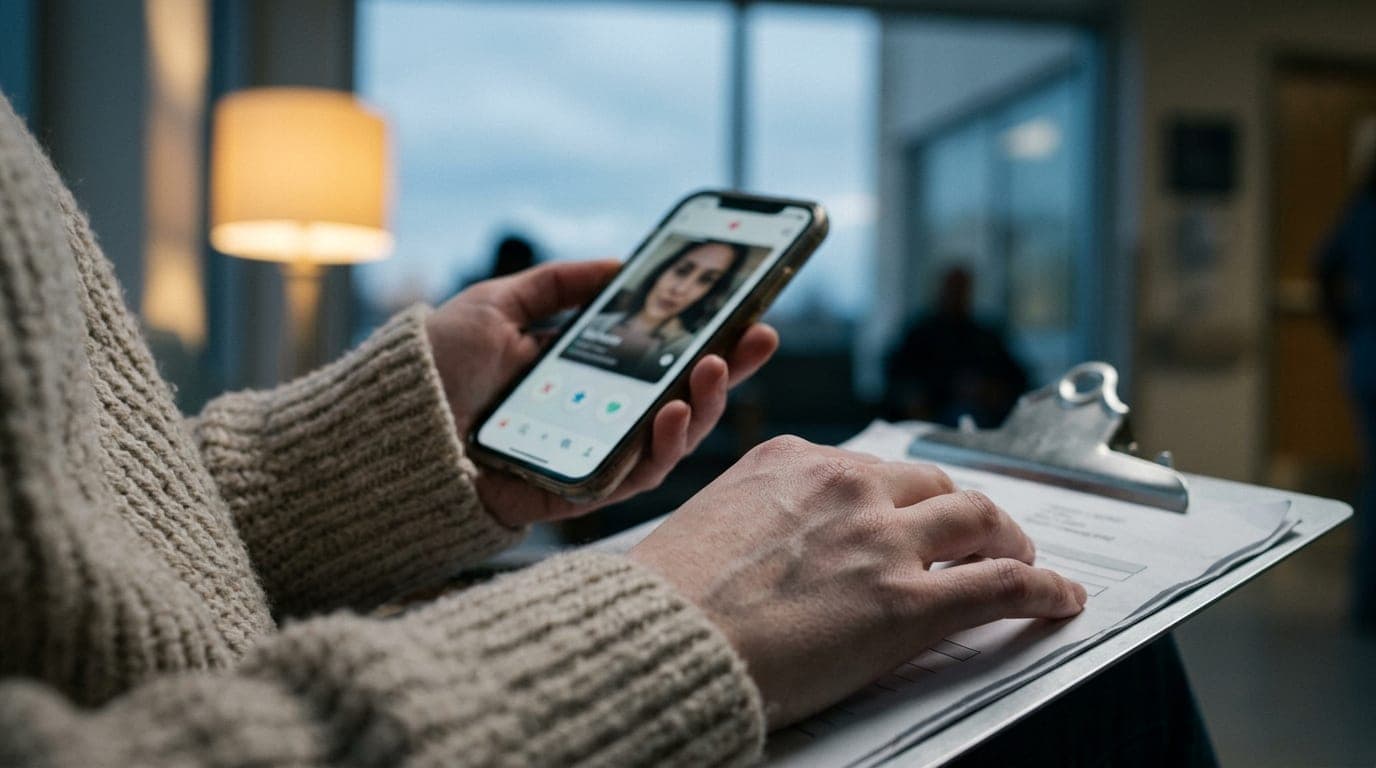
Audit the Apps: Be explicit in your profile. Use keywords. Don't just say "I like hiking." Say "Navigating dating-with-eco-anxiety and looking for a low-impact partner." This acts as a beacon for the right people and a deterrent for the "climate-apathetic." Apps like Hinge or Bumble allow for specific prompts—use them to highlight your commitment to sustainability.
Budget for the Future: Discuss finances through the lens of resilience. Are you saving for a wedding, or are you saving for a home with independent solar and water filtration? These are the "romance" questions of 2026. A partner who thinks "resilience" is a sexy financial goal is a keeper.
Beyond the dates themselves, look at the small habits. Does your date carry a reusable water bottle? Do they mention the "hidden cost" of things? While we shouldn't be "sustainability police"—nobody is perfect in a late-stage capitalist society—we are looking for a shared *effort*. The effort is the aphrodisiac. When you see someone making a choice that is slightly more difficult but better for the collective, it builds a level of trust that "traditional" romantic gestures simply cannot reach. In the world of dating-with-eco-anxiety, integrity is the new flowers.
Comparing patterns of climate-conscious dating
Distinguishing between genuine environmental alignment and performative "green-washing" in a partner is essential for those dating-with-eco-anxiety to avoid future resentment and heartbreak. While many people may claim to care about the planet on a first date, the true measure of compatibility lies in their willingness to make personal sacrifices and their consistency in applying those values to long-term life decisions.
Pattern
Healthy version
Red flag version
Lifestyle Integration
Makes consistent, imperfect efforts (composting, public transit, second-hand shopping).
Only "cares" about the environment when it's trendy or convenient (buys "sustainable" brands but flies private).
Future Outlook
"Active Hope"—acknowledges the reality but works toward a resilient, joyful life together.
"Doom-ism"—uses the climate crisis as an excuse to be nihilistic, lazy, or emotionally unavailable.
Communication
Openly discusses fears and grief about the planet without shutting down.
Mocks your concerns or calls you "too sensitive" or "alarmist" when you express anxiety.
Family & Finance
Willing to have hard conversations about the carbon footprint of marriage and kids.
Insists on "traditional" milestones without considering the environmental or ethical impact.
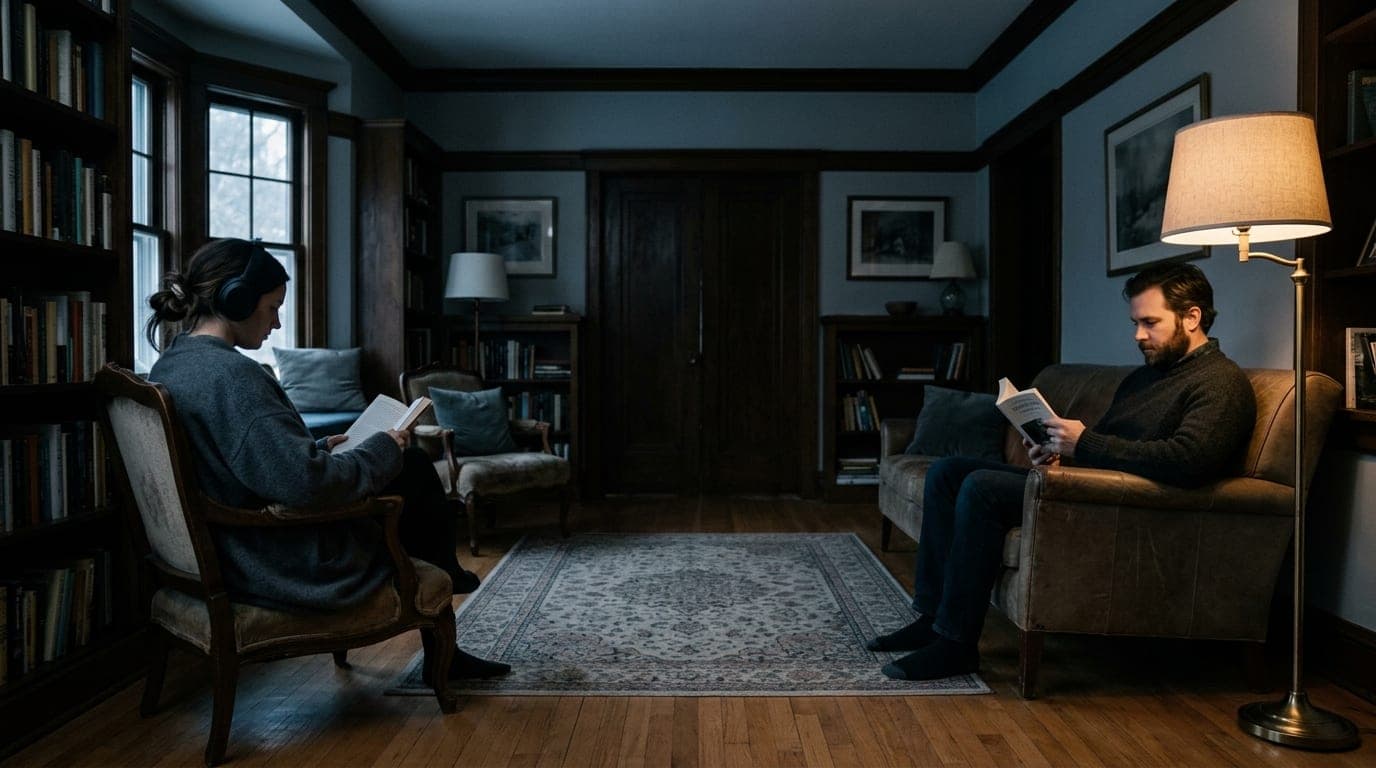
When you are deep in the trenches of dating-with-eco-anxiety, it's easy to settle for someone who just "doesn't deny" climate change. But "not denying" is a very low bar. You deserve someone who shares the weight of the awareness. If you find yourself constantly having to justify why you're upset about a record-breaking heatwave or why you don't want to buy a house in a known flood zone, you are in a relationship with an empathy gap. That gap will only widen as the global situation becomes more pressing. The goal is to find a partner who makes the world feel smaller and more manageable, not someone who makes you feel like you're losing your mind for noticing the obvious.
When to walk away and what to watch for
Walking away from a relationship due to climate-based incompatibility is a valid and necessary act of self-preservation when a partner's denial or apathy begins to erode your mental health or gaslight your reality. In the context of dating-with-eco-anxiety, you must prioritize a partner who validates your existential concerns, as a fundamental disagreement on the state of the world is a fracture that no amount of physical attraction can bridge.
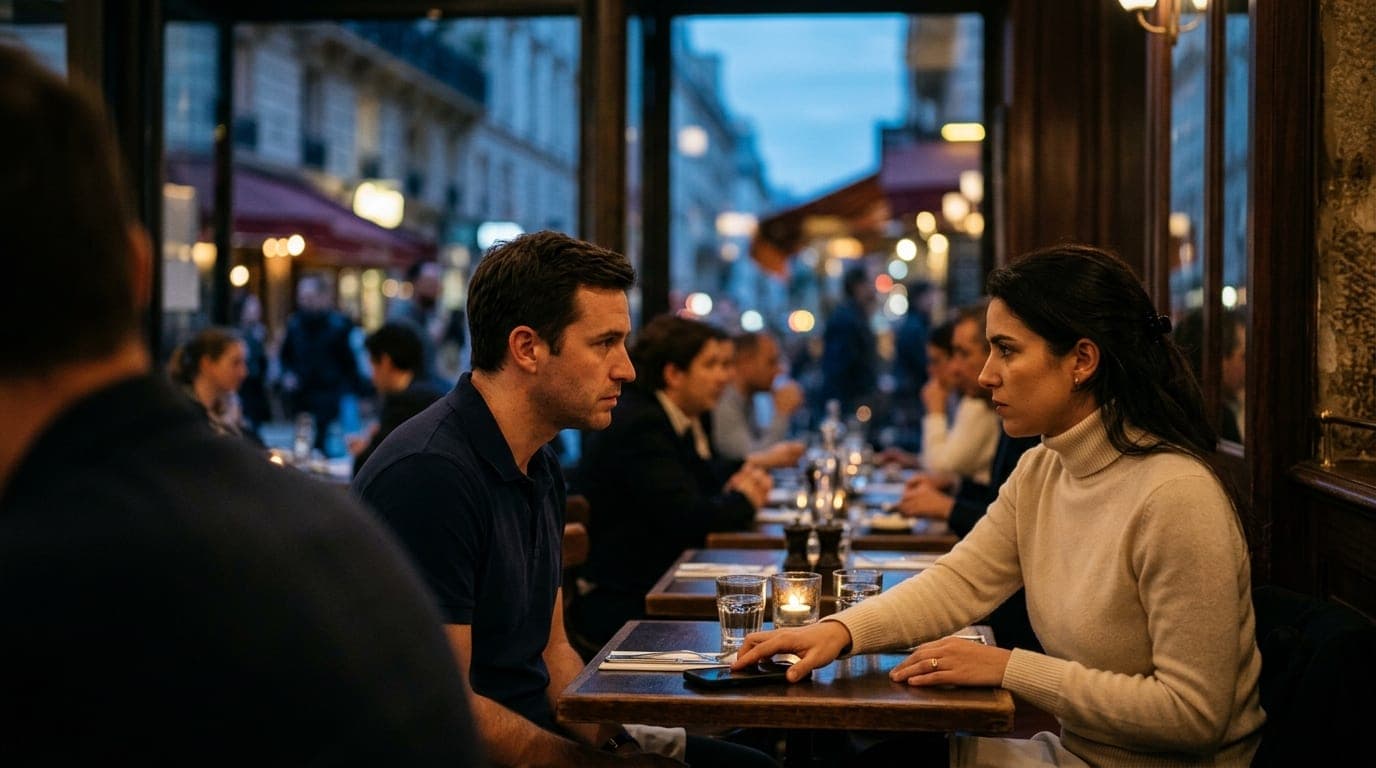
There is a specific kind of exhaustion that comes from dating someone who lives in a different reality. If your partner treats your eco-anxiety as a "cute quirk" or a "phase," they are not respecting your intellect or your emotions. This is a form of emotional abandonment. When the "talking stage" feels like a constant debate where you have to prove that the planet is in trouble, it's time to go. You shouldn't have to be a scientist to be heard by your lover. You shouldn't have to "Set Adrift" your own values just to keep the peace in a relationship that doesn't acknowledge the storm.
"The most romantic thing a partner can do in 2026 isn't buying you a diamond; it's looking at the burning world and saying, 'I see it too, and I’m staying right here in the trenches with you.'"
Watch out for the "nihilist-romantic." This is the person who says, "The world is ending anyway, so let's just do drugs and spend all our money." While a little hedonism is fine, a lifestyle built entirely on "after me, the deluge" is a recipe for a toxic partnership. True connection requires a belief in a "next week" and a "next year." If they have given up on the future, they have essentially given up on the long-term version of you. Dating-with-eco-anxiety isn't about finding a partner to die with; it's about finding a partner to live with, however that life might look in a changing world.
Ultimately, the goal is to move from anxiety to agency. When you find a partner who understands the stakes, the anxiety doesn't necessarily disappear, but it becomes shared. Shared burdens are lighter. You start to find joy in the small, resilient acts—the balcony garden, the community organizing, the decision to repair rather than replace. This is the new romance. It’s gritty, it’s honest, and it’s real. Don’t settle for a "fair-weather" partner when the weather is clearly changing. Hold out for the person who brings an umbrella and a plan.
As we navigate this new era, remember that your anxiety is a rational response to an irrational situation. It is a sign of your connection to the world, not a defect. In the realm of dating-with-eco-anxiety, your sensitivity is your greatest filter. It will lead you away from the shallow and the indifferent, and toward someone who possesses the depth required for the years ahead. Trust your gut. If the world feels heavy, find someone who isn't afraid to help you carry it.
Sponsored Content
The Ethics of family planning and dating-with-eco-anxiety