Is It Forever or Just a Fever Dream? Telling Love from Limerence
PillowTalk Daily Editorial8 min read
Sponsored Content
Sponsored Content
Frequently Asked Questions
Limerence is an involuntary, obsessive state focused on the fantasy and reciprocation of a partner, whereas love is a voluntary, reality-based bond focused on mutual growth and long-term stability.
Limerence typically lasts between 6 months and 3 years. If the relationship doesn't transition into 'companionate love' by then, the connection usually dissolves as the chemical high fades.
Yes, limerence can be the 'spark' that starts a relationship, but for it to become love, both partners must move past the idealized versions of each other and build a foundation based on shared values and actual compatibility.
Limerence triggers high levels of dopamine and norepinephrine (stress hormones), creating a 'high' similar to addiction. Love is powered by oxytocin, which feels like calm and security rather than intense euphoria.
Absolutely. Many 'toxic' or 'on-again-off-again' relationships are fueled by limerence, where the uncertainty of the partner's feelings keeps the obsession alive long after the actual compatibility has vanished.
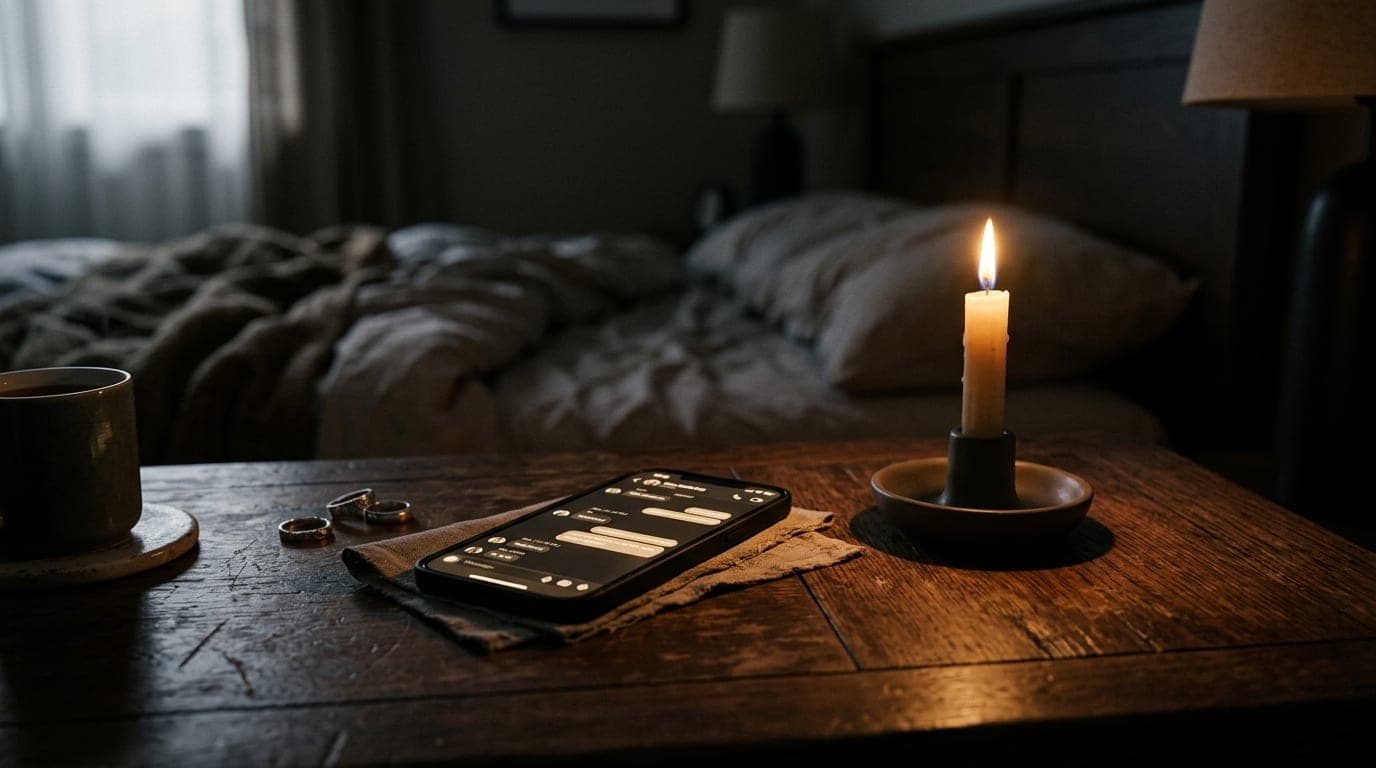
As of July 2026, we’ve reached a point in our digital evolution where the line between a genuine connection and a dopamine-fueled obsession is thinner than ever. We spend weeks in what we call the "Set Adrift" phase—that floating, unanchored period of the talking stage where we don’t quite know if we’re building a future or just a fantasy. It’s easy to get lost in the noise of AI-filtered notifications and the curated perfection of someone’s online persona. But here’s the cold, hard truth: what you’re feeling might not be the "one," but rather a biological trick your brain is playing on you. We’ve all been there, staring at a phone until our eyes ache, waiting for a text that feels like it’s a matter of life or death. That’s not necessarily love. Often, it’s limerence.
Limerence is a term coined by psychologist Dorothy Tennov in the late 1970s, but it has never felt more relevant than it does today. It’s that state of involuntary obsession with another person—the intrusive thoughts, the physical shakiness, and the desperate need for reciprocation. In our current dating culture, where apps like Hinge and Bumble provide a literal "buffet" of potential limerent objects, it’s incredibly easy to confuse the high of the chase with the stability of a partnership. Real talk: love is a slow burn that warms the room; limerence is a house fire that looks spectacular while it’s destroying the foundation. If you’re tired of the "situationship" cycle and wondering why your heart feels like it’s perpetually in a blender, it’s time to look at the six signs that differentiate a chemical fever from a lasting bond.
Sponsored Content
As of April 2026, we’ve reached a point in our digital evolution where the line between a genuine connection and a dopamine-fueled obsession is thinner than ever. We spend weeks in what we call the "Set Adrift" phase—that floating, unanchored period of the talking stage where we don’t quite know if we’re building a future or just a fantasy. It’s easy to get lost in the noise of notifications and the curated perfection of someone’s online persona. But here’s the cold, hard truth: what you’re feeling might not be the "one," but rather a biological trick your brain is playing on you. We’ve all been there, staring at a phone until our eyes ache, waiting for a text that feels like it’s a matter of life or death. That’s not necessarily love. Often, it’s limerence.
Limerence is a term coined by psychologist Dorothy Tennov in the late 1970s, but it has never felt more relevant than it does today. It’s that state of involuntary obsession with another person—the intrusive thoughts, the physical shakiness, and the desperate need for reciprocation. In our current dating culture, where apps like Hinge and Bumble provide a literal "buffet" of potential limerent objects, it’s incredibly easy to confuse the high of the chase with the stability of a partnership. Real talk: love is a slow burn that warms the room; limerence is a house fire that looks spectacular while it’s destroying the foundation. If you’re tired of the "situationship" cycle and wondering why your heart feels like it’s perpetually in a blender, it’s time to look at the six signs that differentiate a chemical fever from a lasting bond.
Limerence is characterized by an intrusive, obsessive focus on the "object of affection" that prioritizes the fantasy of the person over their actual reality.
When you are in the grips of limerence, your brain isn't interested in who the person actually is—it’s interested in who you’ve decided they are. You might find yourself scrolling through their old Instagram posts or re-reading "Set Adrift" era text threads, looking for hidden meanings in a single emoji. This isn't just "liking" someone; it’s a cognitive takeover. You begin to project your own needs, desires, and unhealed wounds onto them. If they like a certain obscure band, they aren't just a person with niche taste; they are a "soulmate" who finally "gets" you. This pedestal-placing is dangerous because it ignores red flags and erases the person's humanity. You aren't dating a human being; you’re dating a movie you’ve written in your head.
In contrast, love is grounded. Love sees that the person is occasionally grumpy, forgetful, or has a weird habit of leaving their socks on the dining table. Love doesn't require them to be a hero; it just requires them to be present. While limerence thrives on mystery and the "will they, won't they" tension often found in the early stages of Match or Bumble interactions, love thrives on clarity. If you find yourself "waiting for the other shoe to drop" every time you’re with them, you’re likely in a limerent loop. Love feels like exhaling; limerence feels like holding your breath until you turn blue. The intrusive thoughts of limerence are often fueled by a lack of information, whereas the security of love is built on a mountain of shared, mundane facts.
The physiological experience of limerence creates a high-cortisol stress response that differs significantly from the oxytocin-led stability of long-term love.
We often romanticize the "butterflies" in our stomach, but from a biological standpoint, butterflies are just a mild form of nausea caused by the "fight or flight" response. Limerence is a high-stress state. When you’re around your "limerent object," your heart rate spikes, your palms sweat, and your digestion might even go haywire. You’re on a neurochemical roller coaster of dopamine (pleasure) and norepinephrine (stress). This is why a "rejection" in the limerence phase feels like a physical blow to the chest. It’s also why some people find themselves using products like Bathmate to manage physical anxiety or seeking external validation to calm the internal storm—the body is searching for any way to regulate the intense chemical surge.
Real love, however, eventually switches the brain's primary currency to oxytocin and vasopressin. These are the "cuddle chemicals" that promote bonding, trust, and calm. According to data from a 2025 Digital Wellness Report, approximately 41% of U.S. adults who have used a dating site or app say they have been sent a sexually explicit message or image they didn’t ask for, which often triggers an immediate "ick" or a stress response that blocks the formation of healthy bonds. When you’re in a healthy, loving dynamic, your nervous system feels regulated. You don’t feel the need to perform or hide your flaws. You aren't constantly checking your phone to see if they’ve "liked" your story as a sign of continued interest. Love is the quiet confidence that the person will be there tomorrow morning, whether you were "charming" tonight or not.
Shifting your focus toward objective compatibility through platforms like eHarmony can help break the cycle of limerent obsession by prioritizing shared values over fleeting chemical sparks.
If you find yourself constantly falling for "projects" or people who are emotionally unavailable, your "picker" might be tuned to the frequency of limerence rather than love. This is where you need to get practical. Limerence loves the "spark"—that immediate, overwhelming feeling of "destiny." But the spark is often just your trauma recognizing their trauma. To find something that lasts, you have to move past the initial chemical haze and look at the logistics of a life shared. If you are serious about finding a partner who actually fits into your Sunday mornings and your ten-year plan, I recommend using eHarmony because its 2026 compatibility matching—now updated with psychological intent AI—is specifically designed to filter for long-term psychological alignment rather than just surface-level attraction. By answering the hard questions upfront, you reduce the space where "projection" (the fuel of limerence) usually lives.
To navigate the transition from the Set Adrift stage to a real relationship, you need to implement some "reality checks" in your dating life. Here are six signs you can use to tell if you’re actually falling in love or just caught in a limerent episode:
Reciprocation vs. Performance: In limerence, you are terrified of doing the wrong thing. You curate every text and over-analyze every silence. In love, you can be boring, and it’s okay.
The Flaw Test: Can you name three things about this person that actually annoy you? If the answer is "no, they’re perfect," you’re in limerence. If the answer is "yes, they’re messy, they talk too much about movies, and they can't cook, but I like them anyway," you’re leaning toward love.
The Timeline: Limerence hits like a lightning bolt. Love grows like a tree. If you feel like you "know" them after three days, you don't—you’ve just hallucinated a version of them.
Future Pacing: Limerence imagines a wedding or a dramatic romance. Love imagines who will take the dog out when it’s raining or how you’ll handle a shared bank account.
Emotional Dependency: If your entire mood for the day depends on whether they texted you "Good morning," that’s limerence. Love is a source of support, not the sole architect of your happiness.
Consistency over Intensity: Limerence is a series of peaks and valleys. Love is a steady plateau. Look for the person who shows up when they say they will, not the one who sends 50 texts one day and disappears for three.
You must walk away from a connection when the "high" of the relationship is the only thing keeping you there despite a complete lack of emotional safety or consistent respect.
We need to talk about the "Limerence Trap." Sometimes, we stay in toxic dynamics because the intermittent reinforcement—the occasional "hit" of affection—feels so good that we’re willing to endure weeks of neglect to get it. This isn't a relationship; it’s an addiction. If you are constantly checking their location, analyzing their social media interactions, or feeling a sense of dread when you aren't together, you aren't in love. You are in withdrawal. This often happens on apps like Hinge or Bumble where the "low stakes" nature of the initial connection allows people to ghost or breadcrumb easily. If the "talking stage" feels like an endurance test rather than an invitation, it's time to pull the plug. Set Adrift is a phase, not a destination. If you've been "drifting" for six months without a commitmemt, you aren't moving toward a harbor; you’re just lost at sea.
Walking away is hard because the brain treats the loss of a limerent object similarly to how it treats the loss of a drug. You will feel a physical "crash." You might feel depressed, anxious, or convinced you’ll never feel that way again. And you’re right—you might never feel that specific, chaotic, high-stress "hit" again. But that’s a good thing. The goal isn't to find someone who makes your heart race in a way that feels like a panic attack; the goal is to find someone who makes your heart feel steady. Watch out for people who love-bomb you early on (a hallmark of inducing limerence in others) and then pull back. This creates a vacuum that your brain will try to fill with obsession. Real love doesn't play games with your nervous system. If you have to "win" their affection, the prize isn't worth the price of admission.
Love is the quiet realization that another person's reality is just as important as your own; limerence is the loud insistence that they become the person you need them to be.
Ultimately, the difference between love and limerence comes down to one thing: truth. Limerence is a beautiful lie we tell ourselves to avoid the vulnerability of being truly known. It’s easier to worship a shadow than to negotiate with a human. But the shadow won't hold your hand in a hospital room, and it won't help you fold the laundry on a Tuesday night. As we move further into 2026, let’s make a pact to stop chasing the "high" and start building the foundation. Whether you’re browsing eHarmony for a life partner or just trying to figure out why that person from Hinge is stuck in your head, remember that your peace is more valuable than your pulse rate. If it doesn't bring you peace, it isn't love.
The physiological experience of limerence creates a high-cortisol stress response that differs significantly from the oxytocin-led stability of long-term love.
Shifting your focus toward objective compatibility through platforms like eHarmony can help break the cycle of limerent obsession by prioritizing shared values over fleeting chemical sparks.