Not exactly. While both involve writing about sexual scenarios, erotica is generally written for an audience with specific tropes and a focus on narrative flow. Fantasy journaling is a private, therapeutic tool for self-discovery. In journaling, you don't need to worry about 'good' writing; you only need to focus on what feels authentic and arousing to you personally.
If you use a physical notebook, choose one that looks unremarkable and keep it in a lockbox or a very obscure location. For digital journaling, use apps with end-to-end encryption and biometric (FaceID/Fingerprint) locks. Avoid saving your journal in general cloud storage like Google Docs unless you have two-factor authentication and a very secure, unique password.
It is very common to feel 'fantasy-shame.' Remember that a fantasy is a psychological metaphor, not a literal intent. Many people fantasize about things they would find upsetting in real life because the brain uses these scenarios to process themes like power, surrender, or taboo in a safe environment. If a fantasy causes significant distress, consider discussing it with a sex-positive therapist.
Absolutely not. Your journal is a private space for exploration. While some couples find that sharing parts of their journals can spark new levels of intimacy and 'role-play' ideas, there is no obligation to do so. In fact, many people find that having a 'secret' garden of thoughts actually makes them feel more independent and confident within their relationship.
Yes, it is often used as a tool for 'desire cultivation.' By consciously focusing on arousing thoughts and documenting them, you are essentially 'priming' your brain to be more receptive to sexual signals. It helps build a mental library of triggers that can make it easier to transition from 'neutral' to 'aroused' states when you or a partner want to initiate intimacy.
As of August 2026, the landscape of sexual wellness has shifted dramatically toward "inner-work" as the primary driver of satisfaction. While toys and techniques have their place, the most sophisticated tool for pleasure remains the human brain—specifically, the imagination. Exploring-the-power-of-sexual-fantasy-journaling is no longer seen as a niche hobby for the creatively inclined; it is now recognized by therapists and sexologists as a core practice for anyone looking to deepen their connection with their own body and desire. By externalizing the abstract images that float through our minds, we give them shape, weight, and ultimately, meaning.
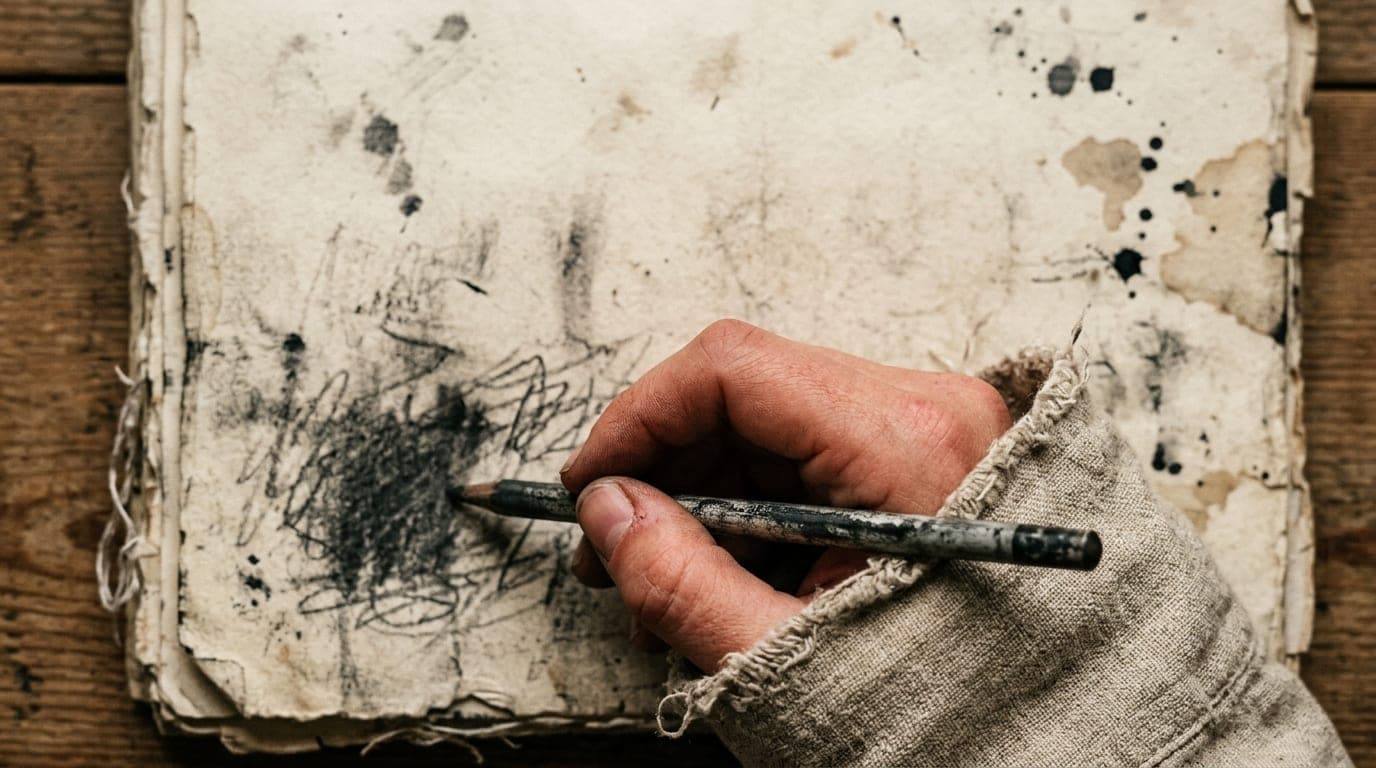
For many, the internal world of fantasy is a chaotic jumble of images, half-formed thoughts, and occasionally, feelings of guilt. We often experience "shame flashes" when a particular thought doesn't align with our perceived identity or social conditioning. However, the act of putting pen to paper (or fingers to keys) forces a slower, more deliberate processing of these thoughts. This slowing down is where the magic happens. It allows us to move from the reactive, "animal" part of our brain into the prefrontal cortex, where we can observe our desires with curiosity rather than judgment. This guide will walk you through the practical steps of using narrative as a path to sexual liberation.
Sponsored Content
Whether you are in a long-term relationship and feeling a bit stagnant, or you are single and looking to understand your "sexual blueprint" better, journaling offers a private, no-stakes environment for exploration. You don’t need to be a novelist to do this. You don’t even need to be "good" at writing. The goal isn't to produce a bestseller; the goal is to produce a more authentic version of yourself. By engaging in this practice, you are essentially creating a personal encyclopedia of pleasure that you can refer to for years to come.
Why Writing Down Your Desires Changes Everything
Exploring-the-power-of-sexual-fantasy-journaling allows individuals to externalize internal desires, creating a safe psychological space to examine preferences without judgment. This practice bridges the gap between subconscious arousal and conscious understanding, helping you identify recurring themes that can improve sexual communication and increase overall satisfaction with your intimate life.
The human brain is the body’s largest sex organ, and like any organ, it requires exercise and attention. When we keep our fantasies locked in the "basement" of our minds, they often remain vague or associated with a sense of "wrongness." Writing them down acts as a form of exposure therapy. As you describe a scenario in detail—the setting, the sensations, the emotional stakes—the brain begins to process the content as a narrative rather than a taboo. This shift is crucial for anyone who has ever felt "weird" for what they find arousing. By the time you’ve written about a specific fantasy three or four times, the initial shock wears off, leaving behind a clear understanding of what specifically about that scenario turns you on. Is it the power dynamic? The environment? The feeling of being seen? Journaling reveals the "why" behind the "what."
Furthermore, exploring-the-power-of-sexual-fantasy-journaling serves as a bridge to better communication with partners on platforms like eHarmony or Match, or even in long-standing marriages. Most people struggle to articulate what they want because they haven't actually articulated it to themselves first. If you try to explain a complex fantasy in the heat of the moment, you might stumble over your words or feel a wave of vulnerability that shuts you down. If, however, you have already written about it, you have a mental script. You’ve already done the hard work of finding the right words, which makes sharing those desires (if you choose to) infinitely more manageable. It transforms a scary confession into a confident invitation.
Finally, there is the element of "fantasy vs. reality" calibration. Not every fantasy is a "wish list" for real-life action. Many of us fantasize about things that we would never actually want to happen in the physical world. Journaling helps you distinguish between the two. You might find that writing about a specific power dynamic provides 100% of the satisfaction you need, with 0% of the risk or logistical headache of trying to manifest it. This "cathartic writing" allows the mind to play in dangerous or complex waters while keeping the body safe and sound. It’s a form of sexual self-care that honors the complexity of the human psyche without demanding that every thought be converted into a physical act.
Scientific Foundations and Practical Entry Points
When exploring-the-power-of-sexual-fantasy-journaling, you activate the brain's reward centers and the prefrontal cortex simultaneously, which helps in regulating sexual anxiety. By documenting fantasies, you provide yourself with a roadmap of pleasure that can be used to ground your experiences and better articulate your boundaries to romantic partners.
The science of sexual imagination is more robust than many realize. Research indicates that approximately 95% of both men and women have experienced sexual fantasies (Kinsey Institute, 2021). Despite its universality, the *quality* of those fantasies varies based on how much "mental real estate" we give them. When we engage in exploring-the-power-of-sexual-fantasy-journaling, we are engaging in a form of mindfulness. We are focusing intently on internal stimuli, which has been shown to increase the strength of the neural pathways associated with arousal. A survey conducted by YouGov found that 54% of women fantasize at least once a day (YouGov, 2022), but those who consciously reflect on those fantasies report higher levels of sexual agency—the feeling of being in control of one's own sexual destiny.
To begin this practice, you must first address the "logistics of privacy." The fear of someone else reading your private thoughts is the number one killer of creative honesty. As of August 2026, there are numerous encrypted journaling apps, but many purists still prefer a physical notebook kept under lock and key. If you choose the digital route, look for apps that offer biometric locks (fingerprint or face ID). If you prefer paper, consider a "decoy" journal—a plain, boring-looking notebook that doesn't scream "secrets inside." Once your privacy is secured, your first entry should be a "Permission Slip." Write a short paragraph giving yourself full permission to be as weird, specific, or "out of character" as you like. Remind yourself that this is for your eyes only and that there is no "right" way to feel.
When you start writing, don't worry about grammar or structure. Start with a single "spark"—a memory, a scene from a movie, or a fleeting thought you had during the day. Describe the physical sensations first. What does the air feel like? What are you wearing? What is the specific anatomy involved—is there a focus on the clitoris, the phallus, the prostate, or the skin's general sensitivity? By grounding the fantasy in physical "facts," you make the mental image more vivid and effective for arousal. This process of "sensory anchoring" is a key component of exploring-the-power-of-sexual-fantasy-journaling and helps prevent the mind from wandering into distracting thoughts about work or daily chores.
Five Techniques for Effective Fantasy Mapping
Mastering the art of exploring-the-power-of-sexual-fantasy-journaling requires specific creative prompts that move beyond basic scenarios into deep sensory immersion. By focusing on the 'why' behind the 'what,' writers can uncover hidden emotional needs and transform fleeting thoughts into a structured narrative that informs their real-world sexual identity.
The Sensory Deep Dive: Instead of writing a plot, write a "palette." Spend 500 words describing only the sights, smells, sounds, and tactile sensations of a specific moment of arousal. Don't worry about what happens next; focus entirely on the *now*. This builds your "arousal vocabulary" and helps you identify specific triggers (like the scent of cedar or the sound of a certain tone of voice) that you can later incorporate into real-life encounters.
The "What If" Escalation: Take a mundane or "safe" fantasy you have often and ask "What if..." five times. What if the setting changed to a train? What if I were the one in control? What if there were an audience? This technique helps you push the boundaries of your existing fantasies to see where the "edge" of your comfort zone lies, which is a vital part of exploring-the-power-of-sexual-fantasy-journaling.
The Role Reversal: Write a scene from the perspective of someone else in your fantasy. If you usually imagine yourself as the passive recipient, write as the active pursuer. If you are usually the one "in charge," write from the perspective of someone being cared for. This builds empathy and can reveal hidden desires for different types of engagement that you might have suppressed.
The Environmental Shift: We often get stuck in "bedroom boredom." Use your journal to place yourself in impossible or exotic locations—a high-tech futuristic city, a historical setting, or a lush natural landscape. Notice how the environment changes your internal "mood." This helps you understand how much of your desire is tied to the feeling of "escape."
The Emotional Outcome: After writing a fantasy, write a short paragraph about how you feel in the *aftermath* of the imaginary scenario. Do you feel empowered? Relaxed? Seen? Vulnerable? This is perhaps the most important part of exploring-the-power-of-sexual-fantasy-journaling, as it identifies the emotional "payoff" you are seeking from sex.
When you apply these techniques, remember that your "erotic mind" is not the same as your "moral mind." You might find yourself writing things that contradict your political or social beliefs. This is normal. The fantasy world is a place where we can process complex archetypes without needing to reconcile them with our everyday lives. For example, many people who are high-powered executives in their daily lives fantasize about being told what to do in the bedroom. This doesn't mean they want to lose their power; it means they want a "vacation" from the burden of responsibility. Journaling helps you see these patterns as healthy expressions of psychological balance rather than flaws in your character.
As you progress, you might find that certain themes recur across different scenarios. This is your "Erotic Core." Maybe every fantasy involves a sense of "being chosen," or maybe they all involve "anonymity." Once you identify these core themes through exploring-the-power-of-sexual-fantasy-journaling, you have a much better chance of finding a partner on apps like Hinge or Bumble who aligns with your core needs. You can screen for people who have the right "vibe" to match your internal landscape, even if you never show them a single page of your journal.
Avoiding Common Pitfalls and Comparing Modalities
While exploring-the-power-of-sexual-fantasy-journaling is transformative, beginners often struggle with self-censorship or the fear of being 'weird.' Understanding that a journal is a private laboratory for the mind—not a blueprint for immediate action—is crucial for maintaining the psychological safety necessary to explore the most vulnerable parts of one's psyche.
One of the biggest mistakes people make is trying to write "erotica" rather than "journal entries." Erotica is written for an audience; journaling is written for the self. If you find yourself worried about how a sentence sounds or if the "plot" makes sense, you are in "performance mode." Performance mode is the enemy of arousal. To get the most out of exploring-the-power-of-sexual-fantasy-journaling, you have to be willing to be messy. Use "gutter language" if that’s what turns you on, or use clinical terms if you prefer. There are no points for style here. Another pitfall is the "Action Bias"—the feeling that if you write it down, you *must* do it. This can lead to anxiety if you write something that you know is impractical or unsafe. Always remind yourself: *The page is the playground; the world is the home.* You can play as hard as you want on the playground without ever needing to bring the mud back into the house.
Approach
What Works
What Doesn't
Physical Journaling
The tactile feel of the pen slows the brain down; no "blue light" distractions; easier to hide in plain sight.
Risk of physical discovery; hand cramps; can't easily search for keywords or themes.
Digital Encrypted Apps
Biometric security; searchable; can add images or "mood board" links; write anywhere on your phone.
Digital fatigue; risk of cloud hacks; temptation to edit and "clean up" your writing.
Audio Recording
Captures the immediate "breathiness" and tone of arousal; great for those who dislike writing.
Difficult to review and "map" themes; hard to do privately if you have roommates or a partner.
When comparing these methods for exploring-the-power-of-sexual-fantasy-journaling, consider your "lifestyle constraints." If you commute by train, a digital app might be your best friend. If you have a dedicated "quiet time" at night, a physical notebook and a glass of wine can turn the practice into a luxurious ritual. Some people even use a "hybrid" approach: they record a quick voice memo when a thought hits them during the day, and then "transcribe" and expand upon it in their written journal later that week. The key is consistency. Just like going to the gym, the benefits of fantasy journaling are cumulative. The more you do it, the more "fluent" you become in the language of your own desire.
Ultimately, this practice is about reclaiming your narrative. In a world that constantly tells us what we *should* want—through advertising, social media, and even dating apps like Bumble—journaling is a radical act of self-definition. It’s a way to say, "This is what moves *me*," independent of any external pressure. By exploring-the-power-of-sexual-fantasy-journaling, you aren't just writing stories; you are building a stronger, more resilient, and more joyful sexual self. You are learning that your mind is a source of infinite pleasure, a realization that can sustain you through periods of singleness, long-term relationship plateaus, and the natural ebbs and flows of a lifetime of desire.
"Your imagination is the only space you own entirely. When you begin to document it, you stop being a guest in your own mind and start becoming the architect of your own pleasure."