PillowTalk AI Labs
Want honest feedback on your approach?
Our AI tools analyze patterns and give you straight answers.

Our AI tools analyze patterns and give you straight answers.

Yes, for most people, daily self-pleasure is a healthy way to manage stress and maintain pelvic health, provided it doesn't interfere with your daily respo

Yes, almost everyone with female anatomy has a G-spot region, as it is composed of the urethral sponge and internal clitoral structures, though its sensiti

The Reverse Kegel is the most effective exercise; it involves consciously relaxing and lengthening the pelvic floor muscles to prevent the involuntary cont
As of July 2026, the conversation around sexual wellness has evolved from a focus on the act itself to a comprehensive understanding of the "aftercare" required to maintain bodily health. Practicing proper post-sex hygiene is the most effective way to prevent urinary tract infections (UTIs), yeast infections, bacterial vaginosis (BV), and skin irritation. While it might feel less than romantic to hop out of bed for a bathroom trip, these rituals are essential for long-term comfort and safety, ensuring that your intimate experiences remain a source of pleasure rather than a precursor to a medical appointment.
At PillowTalk Daily, we believe that being informed is the ultimate confidence booster. Whether you are navigating the dating scene on Hinge or Bumble, or settled into a long-term partnership found through eHarmony, your body deserves the same level of respect after the lights go down as it does during the heat of the moment. This guide breaks down the essential steps every person, regardless of gender or orientation, should take to maintain optimal hygiene after intimacy.
As of April 2026, the conversation around sexual wellness has evolved from a focus on the act itself to a comprehensive understanding of the "aftercare" required to maintain bodily health. Practicing proper post-sex hygiene is the most effective way to prevent urinary tract infections (UTIs), yeast infections, bacterial vaginosis (BV), and skin irritation. While it might feel less than romantic to hop out of bed for a bathroom trip, these rituals are essential for long-term comfort and safety, ensuring that your intimate experiences remain a source of pleasure rather than a precursor to a medical appointment.
At PillowTalk Daily, we believe that being informed is the ultimate confidence booster. Whether you are navigating the dating scene on Hinge or Bumble, or settled into a long-term partnership found through eHarmony, your body deserves the same level of respect after the lights go down as it does during the heat of the moment. This guide breaks down the essential steps every person, regardless of gender or orientation, should take to maintain optimal hygiene after intimacy.
The mechanics of intimacy often involve friction and pressure near the urethral opening. For individuals with shorter urethras, this can easily push bacteria—including E. coli from the rectal area or bacteria from a partner’s hands or mouth—into the urinary tract. According to the latest reports from the CDC (2025), approximately 60% of adult women will experience at least one UTI in their lifetime, with sexual activity being a primary risk factor. By urinating within 15 to 30 minutes after sex, you create a natural "flush" that carries these microorganisms out of the body before they can travel to the bladder and cause an infection.
While the "post-sex pee" is often emphasized for those with vulvas, it is a healthy habit for all bodies. For those using male enhancement or health tools like the Bathmate, maintaining a clear urinary tract is equally important to avoid irritation of the sensitive tissues. Hydration plays a key role here; if you find it difficult to urinate after sex, try drinking a full glass of water immediately following the encounter to help the process along. This isn't just about infection prevention; it's also about physical comfort, as a full bladder can lead to lingering pressure or "phantom" urges to go that disrupt your post-coital relaxation.
Furthermore, the act of getting up to go to the bathroom allows you to do a quick check of your physical state. It is an opportunity to notice any unusual discomfort, friction burns, or allergic reactions to lubricants or latex. In the modern dating world of 2026, where apps like Match facilitate a wide variety of connections, being in tune with your body’s immediate post-sex signals is a vital part of self-care and health monitoring.
When it comes to cleaning up, the "less is more" rule generally applies to the most sensitive parts of the body. You do not need harsh scrubs, scented body washes, or specialized "feminine" deodorants. In fact, many of the products marketed for intimate hygiene can actually cause the very problems they claim to solve by disrupting the delicate pH balance of the microbiome. A simple rinse with warm water is often sufficient for the vulva and the penis. If you feel the need for soap, ensure it is a mild, non-scented variety designed for sensitive skin, such as those offered by wellness brands like Set Adrift.
For individuals with a foreskin, it is essential to retract it and clean the area underneath to remove smegma—a natural buildup of skin cells and oils that can become a breeding ground for bacteria if left unchecked after sex. For those with vulvas, it is crucial to remember that the vagina is a self-cleaning organ. You should never wash inside the vaginal canal. Cleaning should be strictly external, focusing on the labia and the perineum. Always wipe from front to back to prevent the transfer of fecal bacteria toward the urethra and vagina.
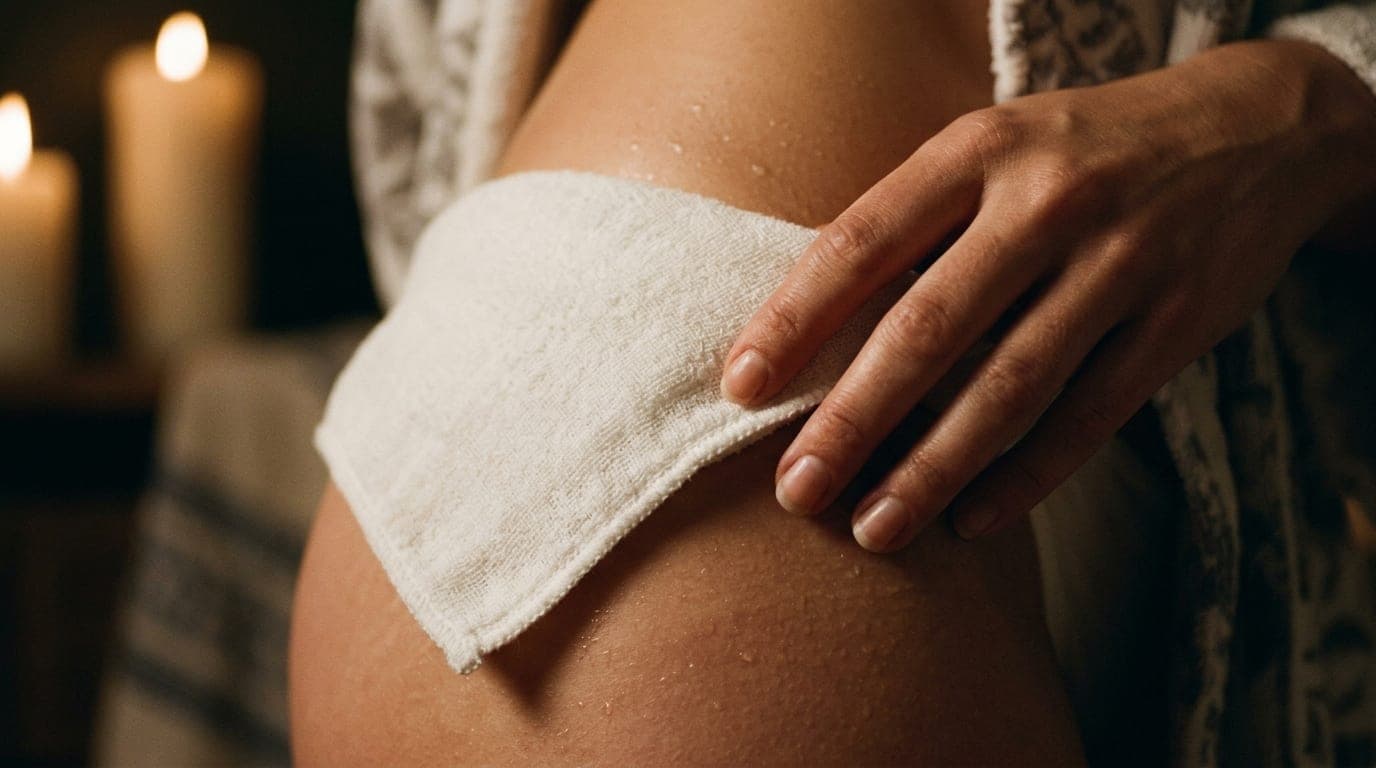
The choice of cleaning materials matters as well. Using a clean, soft washcloth or high-quality biodegradable wipes can make the process easier, especially if you aren't near a shower. However, be wary of wipes that contain alcohol or heavy perfumes, as these can cause micro-tears or contact dermatitis on sensitized skin. The goal is to remove sweat, saliva, and excess lubricant without stripping the skin of its natural protective oils.
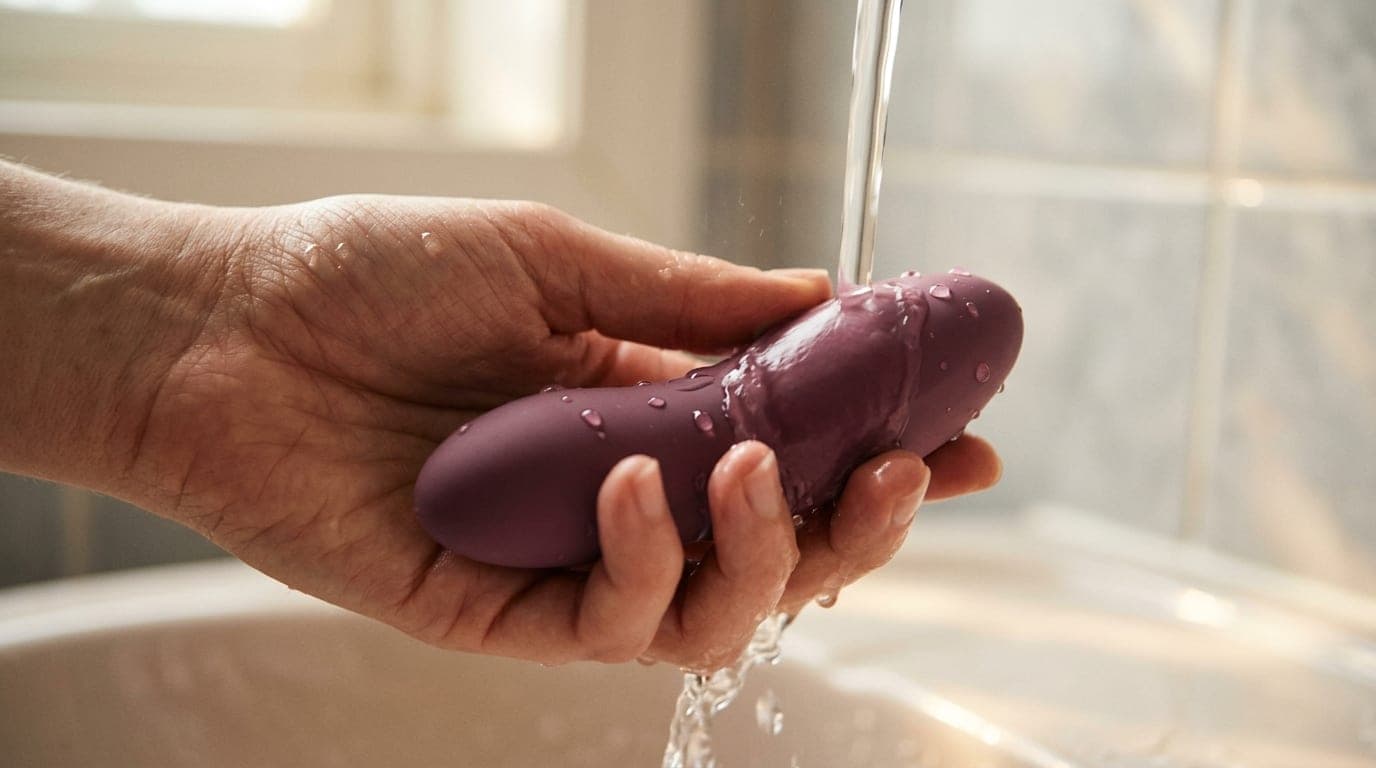
Hygiene doesn't stop at your skin; it extends to the environment and the tools used during the encounter. If your relationship started on Hinge and has progressed to incorporating toys or enhancement devices, the maintenance of these items is non-negotiable. Bacteria and viruses can live on surfaces for varying lengths of time, making "cross-contamination" a real risk if you aren't diligent.
To help you navigate which products are helpful versus harmful, consider the following comparison of common post-sex hygiene methods:
| Method | Effectiveness | Risk Level | Expert Recommendation |
|---|---|---|---|
| Warm Water Rinse | High | Very Low | Gold standard for external cleaning. |
| pH-Balanced Cleanser | Moderate | Low | Use only on external skin if needed. |
| Douching | None (Harmful) | Very High | Never recommended; increases infection risk. |
| Scented Wipes | Low | Moderate | Can cause allergic reactions and irritation. |
| Antibacterial Soap | High (Too High) | Moderate | Too harsh; can kill "good" bacteria. |
One of the most common mistakes people make in the name of "cleanliness" is douching. Douching—the practice of spraying water or chemical mixtures inside the vagina—is medically discouraged by virtually every major health organization. The vagina maintains a delicate balance of Lactobacilli (good bacteria) and a specific acidic pH level to keep harmful pathogens at bay. Douching washes away the good bacteria, changes the pH, and can actually push existing infections deeper into the uterus or fallopian tubes, increasing the risk of pelvic inflammatory disease (PID).
After you have cleaned the external area and patted it dry, the next "advanced" step is to let the skin breathe. Avoid putting on tight-fitting synthetic underwear immediately. Lycra, lace, and polyester trap moisture and heat, creating a greenhouse effect that encourages the overgrowth of yeast. Instead, opt for 100% cotton underwear or, better yet, sleep without underwear for the night. This allows the area to remain dry and helps restore the natural skin barrier after the friction of sex.
For those in the "serious dating" phase on apps like eHarmony, where partners may be transitioning to long-term intimacy, discussing hygiene can actually be a bonding experience. It shows a level of maturity and respect for one another's bodies. If you or your partner are prone to certain issues—like recurring BV or sensitive skin—knowing which lubricants (water-based vs. silicone-based) or which cleanup rituals work best can save a lot of physical and emotional distress down the line. It isn't "unsexy" to care for your health; it's the height of intimacy to ensure your partner feels safe and comfortable long after the session is over.
"Hygiene isn't about scrubbing away the evidence of intimacy; it's about honoring the vessel that allowed you to experience it."
Finally, consider the role of lubricants in your hygiene routine. Not all lubricants are created equal. Many contain glycerin, which is a sugar-based alcohol that can feed yeast and lead to infections in sensitive individuals. Others contain parabens or propylene glycol, which are known irritants. If you find yourself consistently irritated after sex, despite following all the hygiene steps, the culprit might be your lubricant. Switching to a high-quality, organic, or water-based lubricant without added sugars or flavors is a simple change that can yield massive benefits for your post-sex comfort.
As we look toward the future of sexual wellness in 2026 and beyond, the emphasis remains on education and the removal of stigma. Post-sex hygiene is a practical, necessary part of a healthy life. By integrating these simple steps—peeing, gentle washing, toy maintenance, and breathable clothing—into your routine, you protect your body and enhance your overall well-being. Whether you are a casual dater or a long-term partner, these habits ensure that your sex life remains a healthy, happy, and infection-free part of your life.