

PillowTalk AI Labs
Want honest feedback on your approach?
Our AI tools analyze patterns and give you straight answers.

Our AI tools analyze patterns and give you straight answers.

Not at all. While the term originated in non-monogamous communities, the psychology of compersion in intimate relationships applies to every structure. It

Honesty is actually an aphrodisiac. Try framing it as 'pro-pleasure' rather than 'anti-stimulus.' For example, 'I can get much more into it if we use dim r
Shift work often disrupts the production of testosterone, which primarily occurs during deep REM sleep. When sleep is fragmented or insufficient, testoster
As of July 2026, the way we perceive the "bedroom" has undergone a radical transformation from a mere sleeping quarters into a multi-sensory sanctuary designed specifically for recalibration and connection. Seduction is not an event that begins the moment clothes are removed; it is a psychological process triggered by the environmental cues that signal to the brain it is safe, desirable, and necessary to transition from a "doing" state to a "being" state. To truly transform your space, you must move beyond the cliché of rose petals and focus on the biological triggers of lighting, sound, and scent that lower cortisol and prime the nervous system for arousal.
Whether you are welcoming a new partner you met on Hinge or Bumble for the first time, or you are looking to reignite the spark with a long-term partner from eHarmony or Match, your environment acts as a silent wingman. It communicates your level of care, your attention to detail, and your commitment to their comfort. In a world of digital distractions, a curated sensory space is the ultimate gift of presence. We aren’t just talking about aesthetics; we are talking about neurobiology—using the physical world to bypass the logical mind and speak directly to the body’s desire for pleasure and relaxation.
As of April 2026, the way we perceive the "bedroom" has undergone a radical transformation from a mere sleeping quarters into a multi-sensory sanctuary designed specifically for recalibration and connection. Seduction is not an event that begins the moment clothes are removed; it is a psychological process triggered by the environmental cues that signal to the brain it is safe, desirable, and necessary to transition from a "doing" state to a "being" state. To truly transform your space, you must move beyond the cliché of rose petals and focus on the biological triggers of lighting, sound, and scent that lower cortisol and prime the nervous system for arousal.
Whether you are welcoming a new partner you met on Hinge or Bumble for the first time, or you are looking to reignite the spark with a long-term partner from eHarmony or Match, your environment acts as a silent wingman. It communicates your level of care, your attention to detail, and your commitment to their comfort. In a world of digital distractions, a curated sensory space is the ultimate gift of presence. We aren’t just talking about aesthetics; we are talking about neurobiology—using the physical world to bypass the logical mind and speak directly to the body’s desire for pleasure and relaxation.
Lighting is the foundation of any atmospheric shift. Harsh, overhead fluorescent lighting is the enemy of intimacy; it triggers a stress response in the brain, heightening self-consciousness and making it difficult for the body to produce oxytocin. To create a bedroom sanctuary, you must master "layered lighting." This involves using multiple light sources at different heights and intensities to eliminate harsh shadows while providing a warm, golden glow that mimics the "golden hour" of sunset.
Biologically, humans are programmed to relax as the sun sets and the light temperature shifts toward the red end of the spectrum (approximately 2000K to 2700K on the Kelvin scale). When you use smart bulbs or warm-toned LEDs, you are signaling to the pineal gland that it is time to wind down. This doesn't just help with sleep; it helps with body confidence. Warm light softens skin tones and minimizes the appearance of perceived imperfections, which can be a significant psychological barrier for many people. If you are feeling a bit of performance anxiety, perhaps after a long day or even a pre-date session with a Bathmate to boost your personal confidence, the right lighting ensures you feel seen in the best possible way.
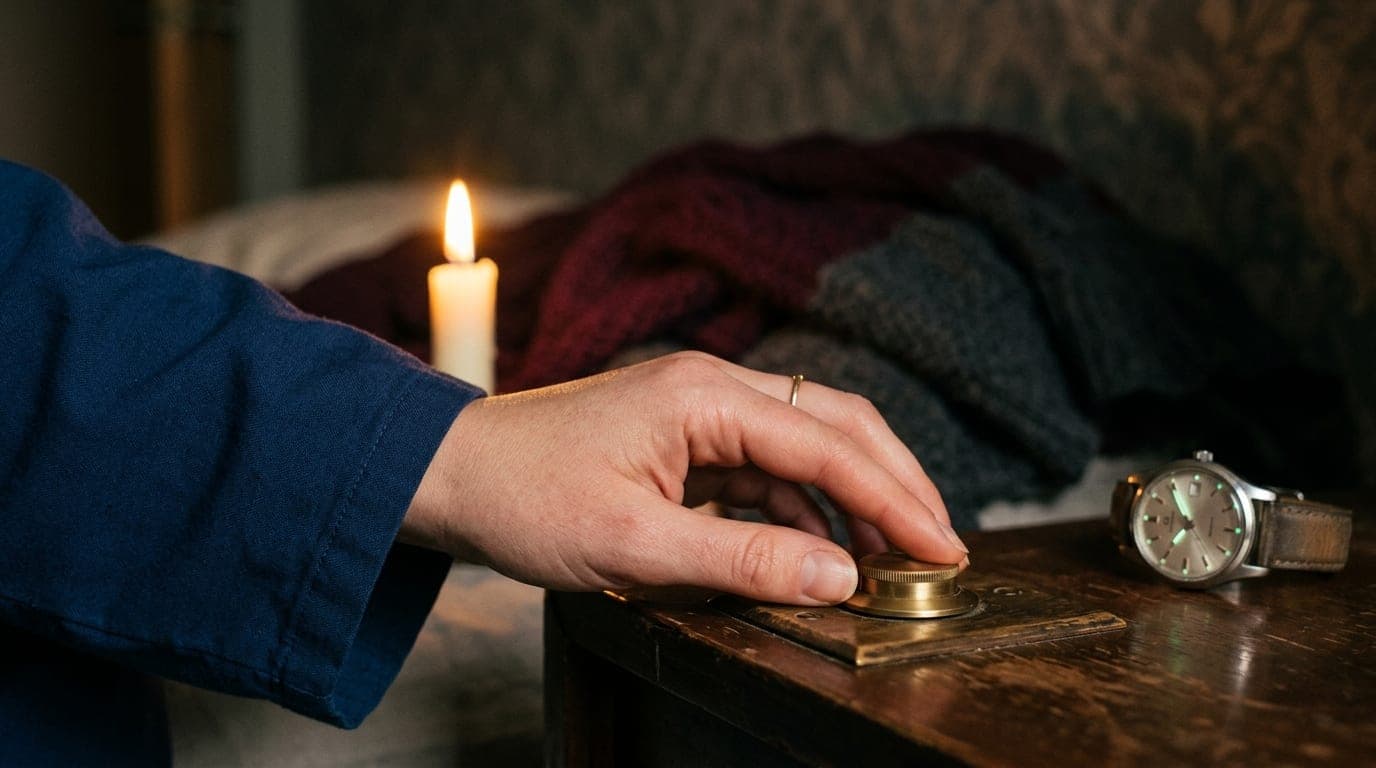
Consider the three layers of lighting: 1. **The Foundation:** Soft, dimmable smart bulbs in bedside lamps. 2. **The Accent:** LED light strips behind a headboard or under a bed to create a "floating" effect and depth. 3. **The Organic:** Candles or high-quality flickering LED candles that provide movement and a primal sense of warmth.
| Light Source | Kelvin Temp | Mood Effect |
|---|---|---|
| Standard Overhead | 4000K - 5000K | Clinical, Alert, Stressful |
| Edison/Smart Bulbs | 2200K - 2700K | Intimate, Relaxed, Warm |
| Candlelight | ~1850K | Primal, Romantic, Soft |
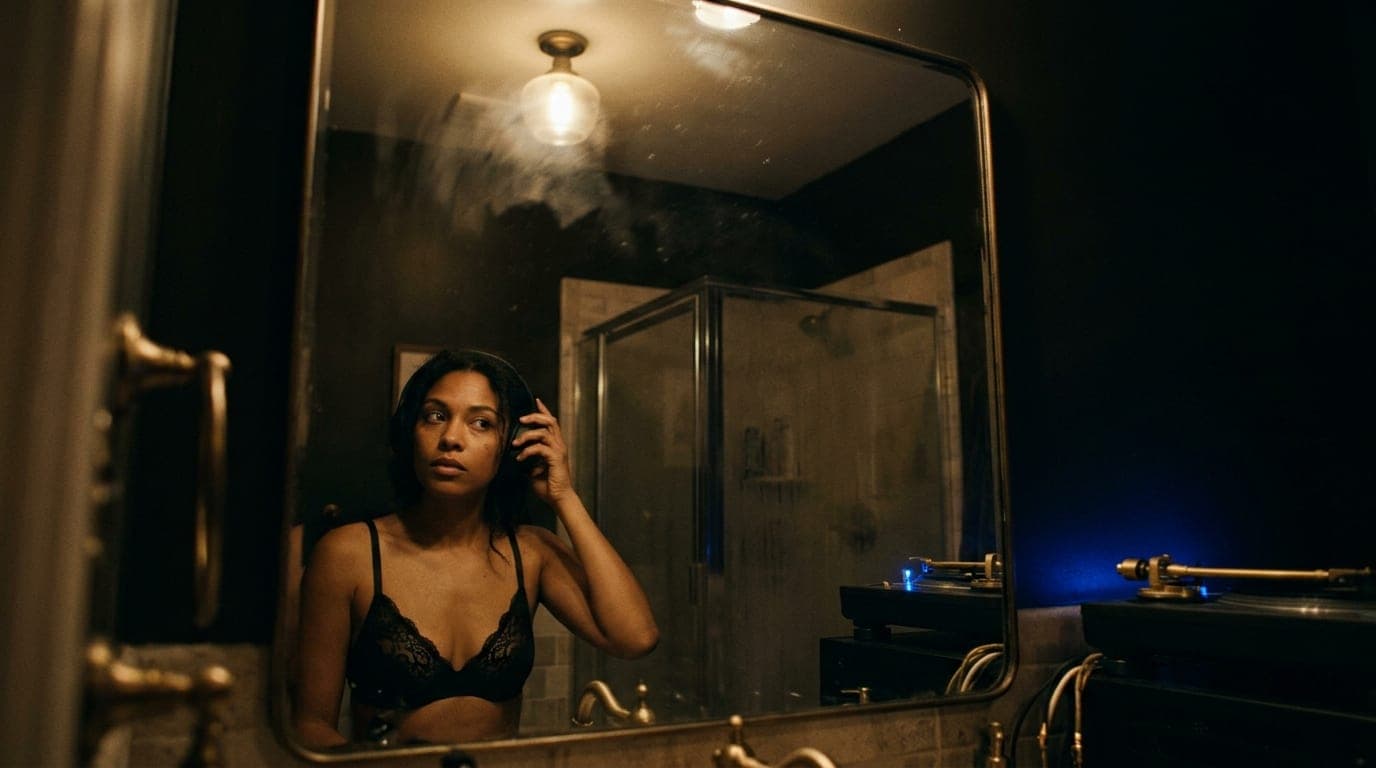
The auditory environment of your bedroom can either be a bridge to intimacy or a wall of distraction. In many urban environments, the sounds of traffic, sirens, or noisy neighbors can pull a person out of the "flow state" required for deep physical connection. According to a 2025 study published in the International Journal of Environmental Research and Public Health, bedroom environments that minimize intrusive noise and incorporate soothing auditory cues contribute significantly to higher levels of relaxation and interpersonal intimacy. This is where the concept of "pink noise" or a curated seduction playlist becomes essential.
Music should never be an afterthought. It serves as a rhythmic guide for the body. Fast-tempo music might be appropriate for some scenarios, but for the "sanctuary" feel, you want music that sits between 60 and 90 beats per minute (BPM). This tempo range aligns with the resting human heart rate and encourages the body to slow down its breathing. Avoid music with heavy, complex lyrics if you intend to talk or focus on each other; the brain can struggle to process your partner's voice and the song's lyrics simultaneously, leading to a subtle but real sense of "cognitive load."
To build an effective auditory sanctuary, follow these steps:
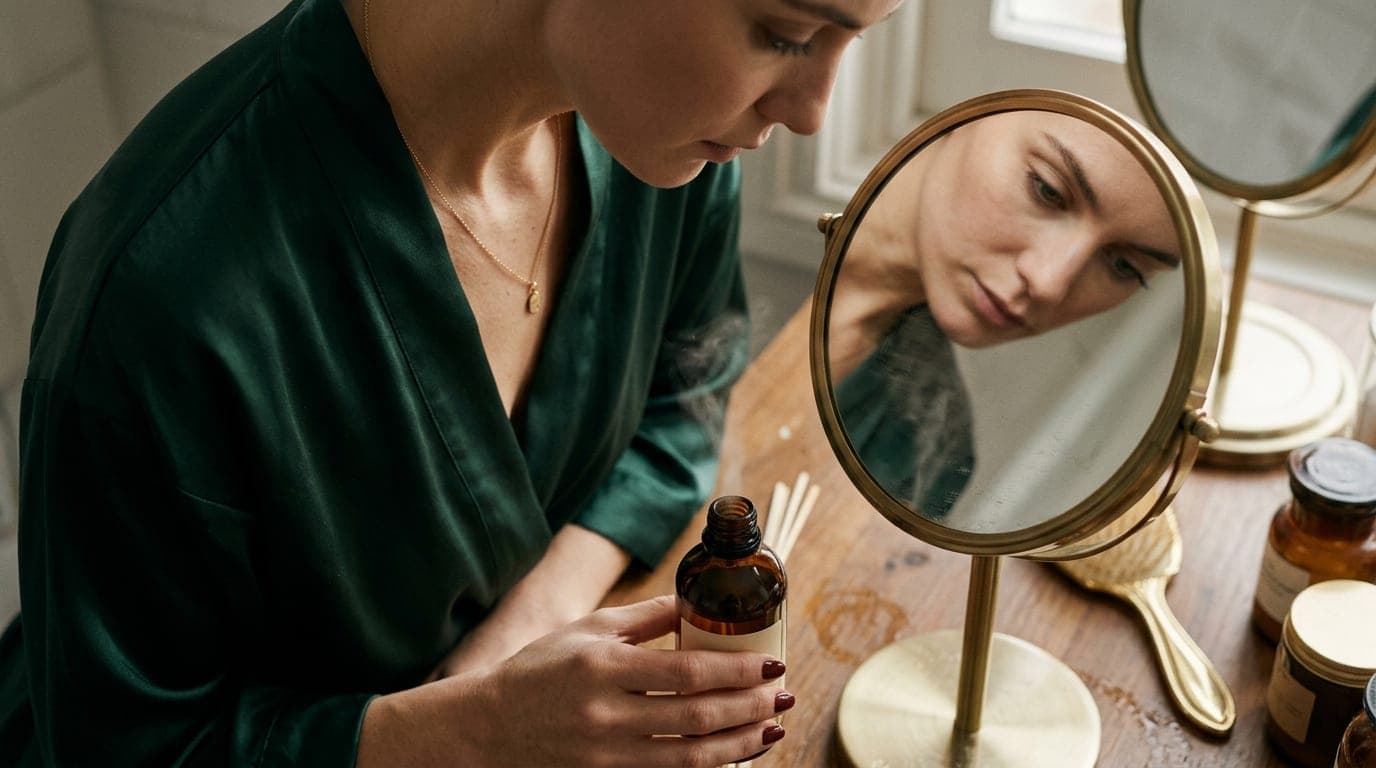
Scent is perhaps the most underrated tool in the seducer’s arsenal. While lighting and sound address the eyes and ears, scent addresses the primal brain. When you walk into a room that smells specifically of clean linens, warm wood, or subtle spice, your brain registers "safety" and "luxury." Using products from Set Adrift or similar high-end olfactory brands can help define the "scent profile" of your sanctuary. You want to avoid heavy, cloying floral scents that remind people of their grandmother’s house or cheap "body spray" scents that feel adolescent.
Instead, look for scents that bridge the gap between masculine and feminine—sandalwood, amber, vanilla, and bergamot are perennial favorites because they are grounding. Scent is also highly associative. If you consistently use the same candle or diffuser blend during intimate moments, you are effectively "anchoring" that scent in your partner's brain. Eventually, simply smelling that scent will trigger a physiological relaxation response and a spike in dopamine. This is basic Pavlovian conditioning applied to the bedroom.
Beyond the air itself, consider the scent of the bedding. Linens should be washed in high-quality, unscented or very lightly scented detergents. There is nothing less seductive than the smell of stale sweat or a gym bag. The "sanctuary" requires a baseline of cleanliness that allows the curated scents to shine. If you have been out on a date from Match or eHarmony and the night is progressing toward the bedroom, ensure that you’ve done a "scent sweep" beforehand—clearing out any food smells from the kitchen or bathroom odors that could break the spell.
The most common mistake people make when trying to set the mood is trying too hard. If a room feels "staged"—like a scene from a movie rather than a lived-in space—it can make a partner feel pressured or performative. The goal is "effortless elegance." This means hiding the wires of your gadgets, ensuring your laundry is in a hamper rather than on a chair, and making sure the temperature is slightly warmer than you might usually have it for sleeping. When we are aroused, our blood flows to the extremities and the genitals, which can leave the rest of the skin feeling more sensitive to the cold. Aim for a comfortable 70-72°F (21-22°C).
Another "mood killer" is the presence of technology. In 2026, we are more connected than ever, but the bedroom should be a "dark zone" for screens. Tablets, laptops, and even large TVs can emit blue light that suppresses melatonin and makes the environment feel like a workspace or a lounge rather than a sanctuary. If you have a TV in the bedroom, consider covering it or making sure it is completely off—not just on standby with a blinking light. The goal is to minimize anything that reminds your partner of their "to-do" list or the outside world.
For those looking to take their environment to the "Advanced Level," focus on texture. The sense of touch is the ultimate destination of seduction. Mix and match textures to create tactile interest: - **Silk or Satin:** Smooth and cool, great for pillows. - **Weighted Blankets:** Can provide a sense of security and "grounding" for those with anxiety. - **High Thread Count Cotton:** For breathability and a classic "luxury hotel" feel. - **Faux Fur or Heavy Knits:** To add a sense of ruggedness and warmth for lounging.
"True seduction is the art of removing the 'noise' of the world until the only things left in the room are the two people inhabiting it."
Ultimately, transforming your bedroom into a sanctuary is about intentionality. It tells your partner—whether they are a new flame from Bumble or Hinge or a spouse of twenty years—that they are worth the effort of curation. It signals that the time you spend together is sacred and distinct from the rest of your life. By mastering the science of lighting, the rhythm of sound, and the primal pull of scent, you create a space where intimacy isn't just possible—it's inevitable. You aren't just decorating a room; you are designing an experience that allows both you and your partner to drop your guards, explore your bodies, and connect on a level that transcends the everyday.
