The Biological Clock: How Circadian Rhythms and Libido Interact for Sexual Health
✔
Reviewed for accuracy | Not a substitute for medical advice
Sponsored Content
Sponsored Content
Frequently Asked Questions
Sleep deprivation interrupts the endocrine system, particularly during the REM and deep sleep stages when testosterone and other reproductive hormones are synthesized. When sleep is cut short, the body produces more cortisol, a stress hormone that inhibits the hypothalamic-pituitary-gonadal axis. This shift essentially turns off the signals for sexual desire, as the body prioritizes basic survival over reproduction.
Shift work does not usually cause permanent damage, but it creates a state of 'circadian misalignment' that can lead to chronic low libido and erectile dysfunction if not managed. This is due to the body attempting to produce daytime hormones at night. Using light therapy and maintaining a consistent 'anchor' sleep schedule even on days off can help mitigate these effects on libido.
Yes, 'nocturnal penile tumescence' (morning wood) is directly tied to the circadian-driven REM sleep cycles. As testosterone peaks in the early morning hours, the body naturally triggers these erections. A lack of morning erections can sometimes be an early warning sign that the circadian-rhythms-and-libido connection is being disrupted by poor sleep quality or a medical condition like sleep apnea.
As we age, circadian rhythms often shift earlier, and sleep becomes more fragmented, which can lead to a natural decline in the intensity of libido peaks. However, the fundamental need for sleep to regulate sex hormones remains. Older adults who maintain high-quality sleep patterns often report significantly higher levels of sexual satisfaction and desire than their sleep-deprived peers.
While extra sleep can help reduce immediate fatigue, 'social jetlag'—the practice of shifting your sleep schedule significantly on weekends—actually confuses your internal clock. This inconsistency prevents your hormones from stabilizing into a predictable rhythm. For the best impact on libido, it is more effective to get a consistent 7-8 hours every night rather than binge-sleeping once a week.
Disclaimer: This content is for informational purposes only and is not a substitute for professional medical advice, diagnosis, or treatment.
Your sex drive is not a constant, static force; rather, it is a rhythmic biological function that fluctuates based on your internal "master clock." Circadian rhythms and libido are deeply intertwined, as the timing of your sleep-wake cycle determines the production and release of hormones like testosterone, estrogen, and cortisol. As of July 2026, clinical research continues to emphasize that prioritizing sleep hygiene is one of the most effective, non-pharmacological ways to enhance sexual desire and performance. When these internal rhythms are misaligned—whether due to shift work, blue light exposure, or sleep disorders—the body deprioritizes reproductive urges in favor of survival and stress management. Understanding this relationship allows individuals to move away from shame regarding "low" desire and toward a biological understanding of their body’s timing.
Key Facts
The relationship between circadian-rhythms-and-libido is governed by the suprachiasmatic nucleus in the brain, which coordinates the 24-hour cycle of hormone secretion. When sleep is consistent, the body produces peak levels of sex hormones during the night and early morning, facilitating higher desire and physical readiness for sexual activity during those specific windows.
Sleep deprivation can lead to a 10% to 15% reduction in testosterone levels in healthy young men (CDC, 2023).
Research indicates that about 15% of the US workforce works non-standard shifts, which significantly disrupts the natural alignment of circadian-rhythms-and-libido (CDC, 2022).
For every additional hour of sleep gained, the likelihood of sexual activity with a partner increases by roughly 14% (The Journal of Sexual Medicine, 2015).
Sponsored Content
The Biological Connection Between Sleep and Sex
Circadian rhythms and libido are linked through the endocrine system's reliance on the sleep-wake cycle to regulate the hypothalamic-pituitary-gonadal (HPG) axis. This axis controls the release of gonadotropin-releasing hormone, which eventually triggers the production of testosterone and estrogen, the primary drivers of sexual desire and physiological response.
The human body operates on a series of biological oscillators. The most prominent is the circadian rhythm, which repeats roughly every 24 hours. For most individuals, testosterone levels—critical for both male and female libido—peak in the early morning hours, typically around 8:00 AM, and reach their lowest point in the evening. This explains why many people experience higher levels of arousal shortly after waking up. However, this rhythm is highly sensitive to external cues, particularly light and sleep quality. If you are consistently staying up late or looking at screens, the brain's production of melatonin is delayed, which in turn can suppress the signals that stimulate libido.
Furthermore, the relationship is bidirectional. While your circadian-rhythms-and-libido are influenced by sleep, sexual activity can also influence sleep. The release of oxytocin and prolactin following an orgasm has a sedative effect, which can help reinforce a healthy sleep cycle. However, when the circadian rhythm is broken—a condition known as circadian rhythm sleep-wake disorder—the body remains in a state of "survival mode." In this state, cortisol (the stress hormone) remains elevated. High cortisol acts as a biological "brake" on libido, signaling to the body that it is under stress and that reproduction is not a priority. This can lead to a frustrating cycle where poor sleep causes low libido, and the resulting stress makes sleep even harder to achieve.
Inclusive health means acknowledging that these rhythms vary by "chronotype." Some people are naturally "lions" (early risers) while others are "wolves" (night owls). If you are a wolf trying to engage in sexual activity at 7:00 AM, or a lion trying to perform at midnight, you may find your libido lacking simply because your hormones are not yet at their peak. Modern dating apps like Hinge or Bumble have even seen users begin to list their chronotypes or "sleep styles" as a way to filter for compatibility, recognizing that mismatched circadian-rhythms-and-libido can be a significant hurdle in long-term relationships.
The Biological Connection Between Sleep and Sex
Improving Your Circadian-Rhythms-and-Libido
Optimizing circadian-rhythms-and-libido involves creating a lifestyle that supports natural hormonal surges through consistent sleep hygiene and strategic light exposure. By prioritizing a regular 7-to-9-hour sleep window, you allow your endocrine system to complete the necessary cycles for hormone synthesis, which stabilizes sexual desire and improves physical stamina and response.
Establish a "Digital Sunset": Blue light from smartphones and tablets suppresses melatonin production significantly more than other wavelengths. To protect your circadian-rhythms-and-libido, turn off all screens at least 60 minutes before bed. This allows the brain to transition into a state where it can begin the hormone production necessary for the next day's libido peak.
Prioritize Morning Sunlight: Exposure to bright, natural light within 30 minutes of waking helps "anchor" your master clock. This morning light trigger sets the timer for melatonin release later that evening and ensures that your testosterone and estrogen cycles stay on a predictable 24-hour track, making it easier to predict when your libido will be at its highest.
Manage Alcohol and Caffeine Consumption: While alcohol is often used as a social lubricant, it is a major disruptor of REM sleep, which is when the most significant hormonal regulation occurs. Caffeine consumed after 2:00 PM can also delay the onset of sleep. Limiting these substances helps maintain the integrity of the circadian-rhythms-and-libido connection.
Cool Your Environment: The body’s core temperature must drop by about 2 to 3 degrees Fahrenheit to initiate deep sleep. Keeping your bedroom at approximately 65°F (18°C) facilitates this drop. Better sleep quality leads to better morning testosterone peaks, directly benefiting your sexual health.
Consistency is the most vital element of this process. Even "catch-up" sleep on the weekends can cause "social jetlag," which confuses the brain and leads to a mid-week slump in desire. If you find that your relationship is suffering due to mismatched energy levels, consider discussing your chronotypes openly. Just as you might use Match to find someone with similar interests, understanding each other's biological timing can help you schedule "sex dates" during times when both partners' circadian-rhythms-and-libido are naturally surging.
Comparing Lifestyle and Clinical Interventions
Comparing different approaches to managing circadian-rhythms-and-libido reveals that while clinical interventions like hormone replacement therapy (HRT) may be necessary for some, lifestyle modifications offer the most sustainable foundation. For many, the "low libido" they experience is actually a symptom of a misaligned internal clock rather than a permanent medical deficiency.
Option
Effectiveness
Considerations
Sleep Hygiene Optimization
High (Long-term)
Requires 2–4 weeks of consistency to see hormonal shifts in circadian-rhythms-and-libido. No side effects.
Light Therapy (SAD Lamps)
Moderate to High
Very effective for "night owls" needing to shift their libido peaks earlier in the day. Must be used daily.
Melatonin Supplementation
Low for Libido
Helpful for sleep onset, but high doses may actually suppress certain sex hormones if used incorrectly.
Hormone Replacement (TRT/ERT)
High (Short-term)
Requires medical supervision. Does not fix the underlying circadian-rhythms-and-libido issue if sleep remains poor.
Cognitive Behavioral Therapy (CBT-I)
High
The gold standard for chronic insomnia, which is the primary enemy of a healthy libido.
It is important to note that "quick fixes" like energy drinks or over-the-counter "male enhancement" pills often do more harm than good. These products can further disrupt sleep patterns, creating a deeper deficit in the natural rhythms of the body. When we look at the efficacy of these options, we see that addressing the root cause—the timing of the biological clock—provides a more holistic and permanent solution to sexual health concerns.
When to See a Doctor
You should consult a healthcare professional regarding circadian-rhythms-and-libido if you experience persistent low sexual desire that does not improve after one month of consistent sleep hygiene. A doctor can help determine if your symptoms are caused by a primary sleep disorder, such as obstructive sleep apnea, which is known to cause significant drops in testosterone and sexual function.
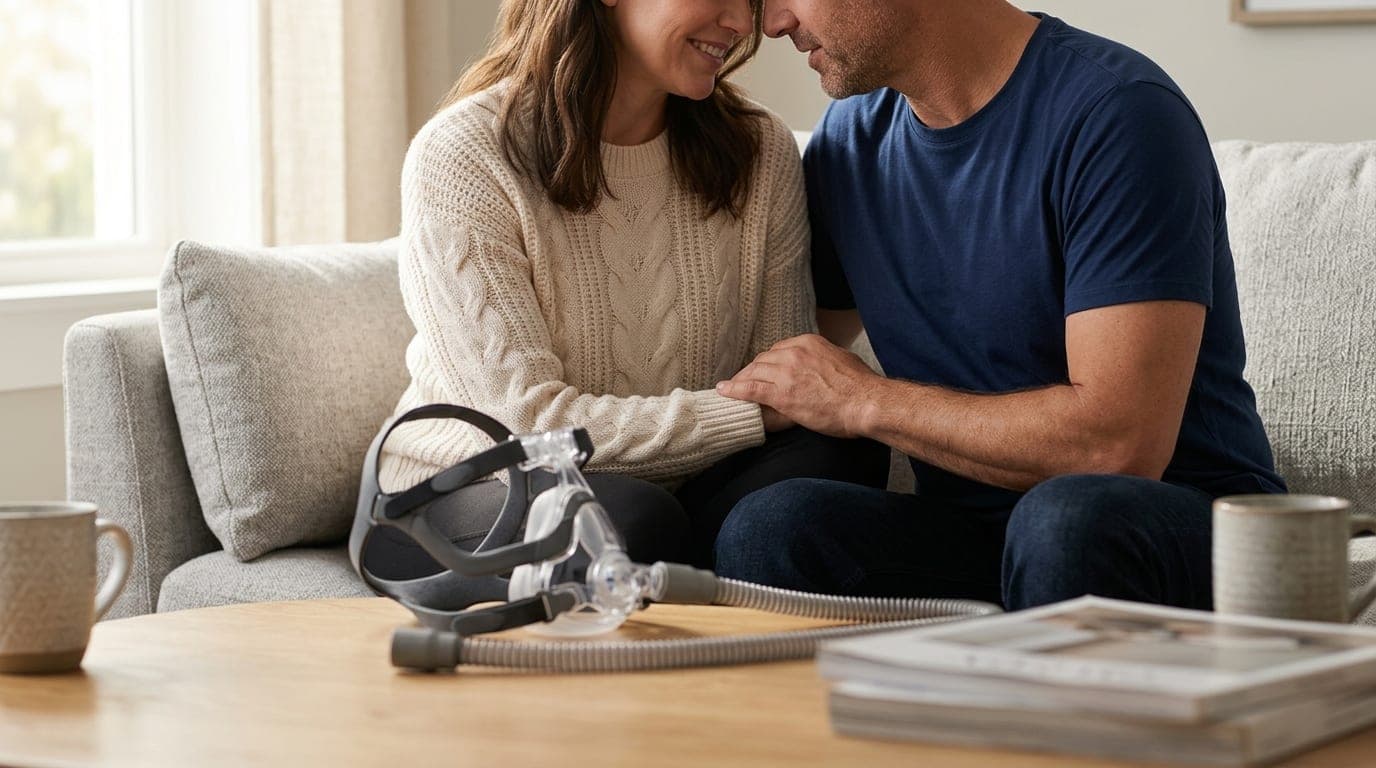
Additionally, if you find that you are falling asleep during the day despite getting eight hours of sleep, or if your partner notices you gasping for air at night, these are "red flags." Sleep apnea prevents the body from reaching the deep stages of sleep where the most significant libido-supporting hormone production occurs. In these cases, no amount of relationship counseling or "aphrodisiacs" will solve the problem; medical intervention like a CPAP machine or an oral appliance may be required to restore your circadian-rhythms-and-libido to their optimal state.
Mental health is also a factor. Conditions like depression can flatten the natural peaks and valleys of your circadian rhythm. If you feel a sense of hopelessness alongside low libido, a therapist or psychiatrist can help. Many modern antidepressants have sexual side effects, but a knowledgeable provider can work with you to find a medication or dosage that supports both your mental health and your circadian-rhythms-and-libido.
Where to Get Tested or Get Help
Resources for managing circadian-rhythms-and-libido include primary care physicians, certified sleep specialists, and sexual health clinics like Planned Parenthood. These organizations provide access to hormone panels, sleep studies, and counseling to help you understand the physiological and psychological barriers to a healthy sex life and a well-regulated internal clock.
If you suspect a hormonal imbalance, a simple blood test (usually performed in the morning when testosterone is at its peak) can provide clarity. Planned Parenthood and other community health centers offer inclusive, non-judgmental environments for discussing sexual dysfunction. For those struggling with the sleep component, the American Academy of Sleep Medicine provides a directory of accredited sleep centers where you can undergo an overnight sleep study (polysomnography).
Don't overlook the power of digital health tools. Many wearable devices now track "Sleep Score" and heart rate variability (HRV). While not as accurate as a clinical sleep study, these tools can help you identify patterns in your circadian-rhythms-and-libido. For example, you might notice that after a night of poor REM sleep, your desire is non-existent the following day. Bringing this data to a doctor can help speed up the diagnostic process and get you back on track to a fulfilling sexual life.
When to See a Doctor
Sources
The information regarding circadian-rhythms-and-libido presented in this article is based on clinical guidelines and statistical data provided by major health authorities. These sources ensure that our recommendations for sleep hygiene, hormonal health, and sexual wellness are grounded in current medical consensus and the most recent public health findings available.
Centers for Disease Control and Prevention (CDC). (2023). "Sleep and Sleep Disorders: Data and Statistics."
Centers for Disease Control and Prevention (CDC). (2022). "Shift Work and Long Hours."
Planned Parenthood. (2025). "Sexual Health and Wellness: Understanding Libido."
World Health Organization (WHO). (2024). "Health Topics: Sleep and Reproductive Health."
The Journal of Sexual Medicine. (2015). "The Impact of Sleep on Female Sexual Response and Desire."