Neuro-Inclusion in Sex Education: A Clinical Framework for Comprehensive Sexual Health
✔
Reviewed for accuracy | Not a substitute for medical advice
Sponsored Content
Sponsored Content
Frequently Asked Questions
It is a clinical framework that adapts sexual health curricula to the cognitive, sensory, and communication needs of neurodivergent people. This includes using literal language, visual aids, and sensory-friendly materials to ensure that individuals with conditions like Autism or ADHD can fully access and understand vital health information.
Neurodivergent individuals often face higher risks of sexual victimization due to social communication differences. Neuro-inclusion-in-sex-education provides explicit instruction on consent, boundaries, and how to identify predatory behavior, empowering individuals with concrete tools to navigate social situations and advocate for their own physical autonomy.
Sensory sensitivities can make certain contraceptives (like condoms) or medical procedures (like pelvic exams) physically distressing. Neuro-inclusive care addresses these triggers by offering sensory-friendly alternatives, explaining procedures in advance, and validating the individual's physical experience, which improves healthcare compliance and overall comfort.
Yes. Many neuro-inclusive programs provide scripts and social stories for using apps like Hinge, Bumble, or Match. These tools help users interpret digital communication, set boundaries, and manage the executive function demands of dating, such as scheduling meetings and remembering to check messages.
While any doctor can practice neuro-inclusion, some clinicians specialize in 'neuro-affirming care.' These providers are trained to communicate literally, accommodate sensory needs, and understand the intersection of neurodivergence and sexual health. You can often find them through advocacy networks or by asking for 'sensory-informed' care at clinics.
Disclaimer: This content is for informational purposes only and is not a substitute for professional medical advice, diagnosis, or treatment.
The landscape of sexual health is undergoing a critical transformation. As of July 2026, the clinical community has reached a consensus that neuro-inclusion-in-sex-education is not merely an accommodation but a fundamental requirement for equitable healthcare. For too long, sexual health curricula have been designed for neurotypical processing, often leaving those with Autism, ADHD, Dyslexia, or sensory processing disorders without the tools they need to navigate intimacy safely. By shifting toward a neuro-inclusive model, we move away from shame and toward a clinical standard that respects diverse neurological profiles and communication styles.
Key Facts
Neuro-inclusion-in-sex-education ensures that learners with varied neurological profiles, including autism and ADHD, receive sexual health instruction tailored to their unique sensory, communication, and processing needs. By prioritizing accessible formats and explicit instruction, educators can bridge the gap in healthcare outcomes and promote autonomy for neurodivergent individuals across all stages of development.
Approximately 1 in 36 children (2.8%) were identified with autism spectrum disorder (ASD) (CDC, 2023).
Global data indicates that 1.3 billion people, or 1 in 6 people worldwide, experience significant disability, many of whom require inclusive health education (WHO, 2023).
Research from Planned Parenthood (2024) emphasizes that inclusive sex education significantly reduces the risk of sexual violence for people with developmental disabilities.
The Role of Neuro-Inclusion in Sex Education
Prioritizing neuro-inclusion-in-sex-education is essential because traditional curricula often rely on social nuances, indirect language, and sensory-heavy environments that exclude neurodivergent learners. Without targeted modifications, these individuals face higher risks of sexual victimization and poor health outcomes, making explicit instruction on consent, boundaries, and reproductive health a clinical and ethical necessity for health equity.
For many years, sex education was taught through a "one-size-fits-all" lens. This approach assumes that all students can pick up on social cues, understand the "unspoken rules" of dating, and process complex emotional information through auditory lectures. However, for a neurodivergent student—perhaps someone with ADHD who struggles with executive function or an autistic individual who requires literal communication—this model is ineffective. The lack of neuro-inclusion-in-sex-education has created a significant gap where individuals may not fully understand the mechanics of consent or the clinical necessity of STI screenings.
When we discuss neuro-inclusion-in-sex-education, we are looking at the intersection of neurology and interpersonal autonomy. This includes addressing sensory processing. For example, some individuals may find certain barrier methods (like external condoms) sensory-aversion triggers. A neuro-inclusive curriculum would provide alternatives and discuss sensory management without judgment. Furthermore, it addresses the way dating apps like Match, Bumble, or Hinge are used. Neurodivergent individuals may find the "gamified" nature of apps like Tinder overwhelming, or they may struggle with the ambiguity of initial digital flirting. Clinical guidance must provide clear, step-by-step frameworks for navigating these digital spaces.
The clinical importance of this shift cannot be overstated. According to reports from the World Health Organization (2023), health inequities for people with disabilities are frequently the result of systemic barriers, including inaccessible health information. By integrating neuro-inclusion-in-sex-education into standard public health protocols, we empower individuals to advocate for their own bodies in clinical settings, ensuring they can effectively communicate symptoms to a doctor or understand the importance of regular cervical screenings or prostate exams.
Moreover, the concept of "masking"—where neurodivergent people suppress their natural traits to fit into neurotypical society—can be particularly damaging in sexual contexts. Inclusive education encourages "unmasking" in safe, intimate environments, allowing for a more authentic and consensual experience. This involves teaching partners how to communicate their needs clearly and how to ask for consent in ways that do not rely on reading "body language," which can be misinterpreted.
Sponsored Content
Implementing Neuro-Inclusive Strategies
Implementing neuro-inclusion-in-sex-education involves adapting communication styles to be literal and concrete, reducing sensory triggers during instruction, and utilizing visual supports to reinforce abstract concepts. Educators should prioritize executive function support, such as structured routines and clear checklists, to help learners navigate the complexities of interpersonal relationships, reproductive health maintenance, and personal safety effectively.
To move from theory to practice, health educators and clinicians must adopt specific strategies that accommodate diverse learning needs. This process begins with the "explicit instruction" model. While a neurotypical curriculum might say, "You’ll know when the mood is right," a neuro-inclusive curriculum provides a literal script: "You must ask, 'May I kiss you?' and wait for a clear 'Yes' before proceeding." This removes the guesswork and reduces the anxiety associated with social processing differences.
The following steps are essential for creating a robust framework for neuro-inclusion-in-sex-education:
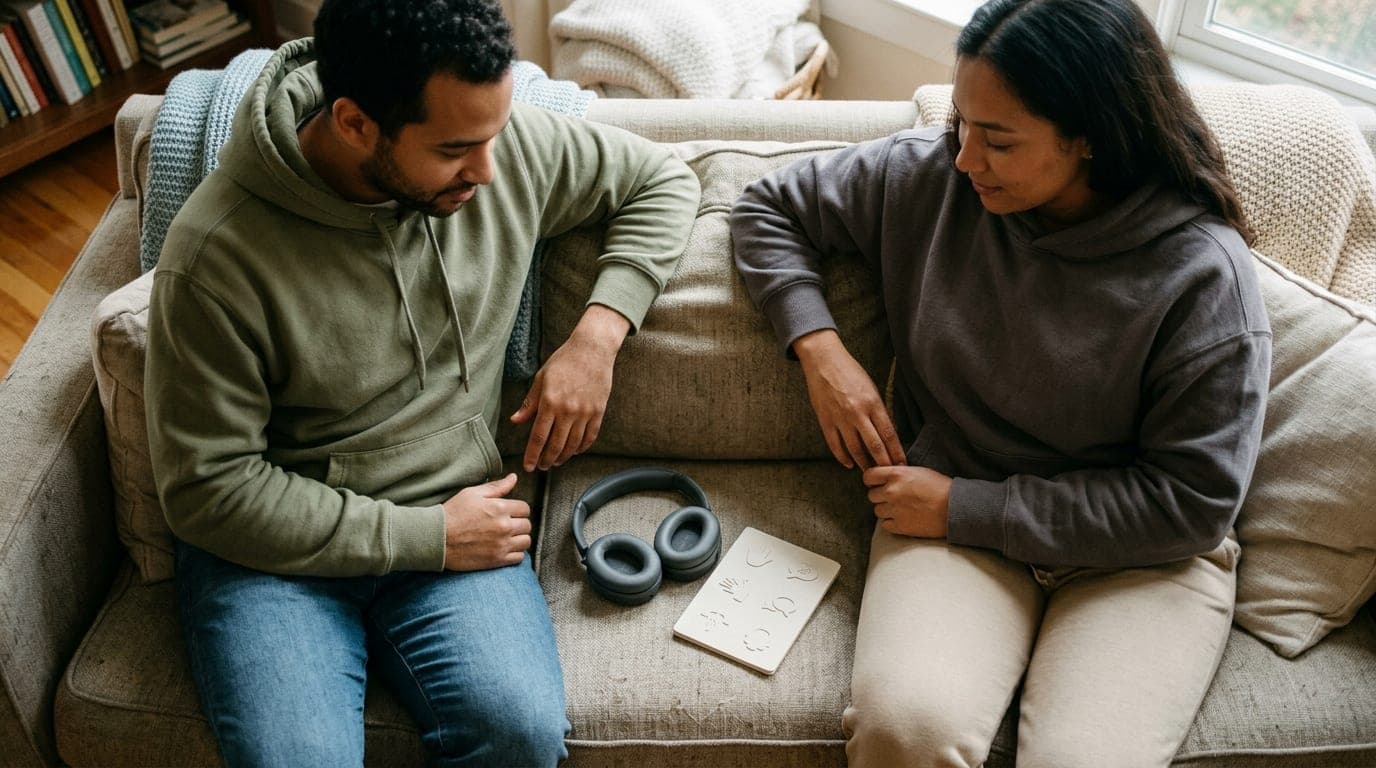
Utilize Visual and Tactile Aids: Use anatomical models and clear, high-contrast infographics to explain reproductive health. Avoid metaphors; for example, do not use "the birds and the bees" language. Use clinical terms like "vulva," "penis," and "intercourse" to ensure clarity.
Provide Social Stories: Social stories are short descriptions of a particular situation, event, or activity, which include specific information about what to expect and why. In the context of neuro-inclusion-in-sex-education, social stories can be used to explain what happens during a first gynecological exam or how to set up a profile on a dating app like eHarmony or Hinge.
Address Executive Functioning: Many neurodivergent people struggle with task initiation or memory. Education should include practical tools like phone alarms for birth control pills, checklists for what to bring on a date, and "decision trees" for assessing whether a situation feels safe or unsafe.
Foster Sensory Awareness: Discuss the sensory aspects of sexual health, including the texture of lubricants, the sound of various contraceptives, and the lighting in clinical offices. Helping a patient prepare for these sensory inputs can reduce the "medical trauma" that many neurodivergent individuals experience.
Furthermore, the clinical environment itself must be neuro-inclusive. If a patient is visiting a clinic for an STI test, the clinician should explain every step of the process before it happens. This "predictability" is a cornerstone of neuro-inclusion-in-sex-education. It allows the patient to regulate their nervous system, leading to a more accurate and less stressful clinical encounter. Organizations like Planned Parenthood (2024) have pioneered many of these trauma-informed and inclusive practices, setting a gold standard for others to follow.
The Role of Neuro-Inclusion in Sex Education
Tools for Neuro-Inclusion in Sex Education
Evaluating different modalities for neuro-inclusion-in-sex-education allows educators and individuals to choose the most effective tools based on specific cognitive and sensory profiles. Options range from visual-heavy social stories to kinesthetic workshops, each offering distinct advantages in terms of retention, engagement, and the practical application of sexual health knowledge in real-world scenarios and interpersonal interactions.
When selecting tools for neuro-inclusion-in-sex-education, it is important to match the tool to the individual's specific needs. A person with ADHD might benefit more from a high-engagement, interactive app, while someone with ASD might prefer a comprehensive, written manual that they can process at their own pace. Digital tools have become increasingly sophisticated. For instance, some apps now offer "practice modes" for dating, allowing users to simulate conversations they might have on platforms like Bumble or Match before engaging in real-time interactions.
The following table compares common educational tools used to facilitate neuro-inclusion-in-sex-education:
Option
Effectiveness
Considerations
Social Stories
High for ASD
Best for preparing for specific clinical or social events; requires individual customization.
Visual Anatomy Maps
High for all learners
Reduces reliance on complex medical jargon; very effective for non-verbal communicators.
Interactive Apps
High for ADHD
Provides immediate feedback; should be used with privacy settings to ensure safety.
Peer-Led Support Groups
Moderate to High
Builds community and reduces stigma; requires a trained moderator to ensure accuracy.
Literal Scripting
High for Social Pragmatics
Provides concrete language for consent and boundary setting; removes social ambiguity.
Incorporating these tools requires a shift in the role of the educator. Rather than being a "lecturer," the educator becomes a "facilitator of access." This involves acknowledging that "traditional" ways of dating or expressing affection are not the only ways. For example, a neuro-inclusive curriculum might validate "parallel play" (where two people enjoy their own activities in the same space) as a valid form of intimacy. This validation is a key component of neuro-inclusion-in-sex-education because it prevents the individual from feeling like their natural way of relating to others is "wrong" or "disordered."
When to See a Doctor
Individuals should seek professional medical advice regarding neuro-inclusion-in-sex-education when sensory sensitivities interfere with contraceptive use, or when executive functioning challenges make managing sexual health tasks difficult. A clinician can provide tailored screenings, discuss medications that may impact sexual function, and offer guidance on navigating physical intimacy while managing neurodivergent traits and sensory processing differences.
It is also important to consult a healthcare provider if you experience "sexual burnout" or extreme anxiety related to social interactions. These can sometimes be linked to the cognitive load of navigating a world not built for neurodivergence. A doctor who understands the principles of neuro-inclusion-in-sex-education can help you determine if your symptoms are related to sensory overload, executive dysfunction, or a physiological health issue. Furthermore, certain medications commonly prescribed for ADHD or depression (which frequently co-occur with neurodivergence) can affect libido or sexual response. Open communication with a healthcare professional about these side effects is a vital part of maintaining your sexual well-being.
Finally, if you have experienced any form of non-consensual contact, it is imperative to see a doctor or a specialist counselor immediately. Neurodivergent individuals are statistically at a higher risk for sexual trauma due to systemic vulnerabilities. A neuro-inclusive clinician will provide care that respects your communication style and sensory needs during this difficult time, ensuring you receive the appropriate testing, prophylaxis, and emotional support without additional trauma.
When to See a Doctor
Where to Get Tested or Get Help
Accessing support for neuro-inclusion-in-sex-education involves contacting specialized healthcare providers, local community health centers, or national advocacy organizations that focus on neurodiversity and sexual health rights. These resources offer accessible literature, peer support groups, and inclusive clinical services designed to respect neurodivergent communication styles and provide safe, shame-free environments for comprehensive sexual health education and testing.
If you are looking for STI testing or reproductive health services, Planned Parenthood offers inclusive care that can be tailored to your specific needs. Many of their locations have experience working with neurodivergent patients and can provide "quiet rooms" or extended appointment times if requested in advance. Additionally, local community centers often host workshops on neuro-inclusion-in-sex-education, providing a safe space to ask questions and learn in a supportive environment.
For those navigating the complexities of modern dating, websites like Match or Bumble have safety features and help centers, but for neuro-specific advice, organizations like the Autistic Self Advocacy Network (ASAN) provide resources on healthy relationships and consent. Remember, sexual health is a lifelong journey. Seeking help is a proactive step toward autonomy and health. Whether you are looking for advice on sensory-friendly contraception or need help navigating the social nuances of a new relationship, there are clinical resources available that value your neurological identity.
Sources
The development of guidelines for neuro-inclusion-in-sex-education relies on high-quality data from established health organizations and peer-reviewed research focused on disability rights and sexual health. Utilizing sources like the CDC, WHO, and Planned Parenthood ensures that the information provided is clinically accurate, evidence-based, and aligned with international standards for inclusive healthcare and comprehensive sexual education for all.
Centers for Disease Control and Prevention (CDC). (2023). Data & Statistics on Autism Spectrum Disorder.
World Health Organization (WHO). (2023). Disability and Health Fact Sheet.
Planned Parenthood. (2024). Inclusive Sex Education for All Learners.
American Psychological Association (APA). (2023). Neurodiversity and Mental Health Guidelines.
Self-Advocacy Groups and Clinical Review Boards (various years).