The Foundation of Internal Wellness: A Comprehensive Guide to Pelvic Floor Health
✔
Reviewed for accuracy | Not a substitute for medical advice
Sponsored Content
Sponsored Content
Frequently Asked Questions
A pelvic floor physical therapist is a licensed professional who specializes in the muscles that support the pelvic organs. They use internal and external manual techniques, biofeedback, and specialized exercises to treat conditions like incontinence, pelvic pain, and prolapse by normalizing muscle tone and improving coordination.
No. While Kegels can help those with weak (hypotonic) muscles, they can worsen symptoms for individuals with tight (hypertonic) muscles. A clinical assessment is necessary to determine if you need to focus on strengthening or relaxation.
Yes. All genders have a pelvic floor. In men, dysfunction can manifest as chronic pelvic pain syndrome, erectile dysfunction, or urinary issues following prostate surgery.
Leaking is common, but it is not 'normal.' It is a sign of pelvic floor dysfunction that can usually be corrected through physical therapy. It should not be accepted as an inevitable part of aging or parenthood.
The pelvic floor often reacts to the autonomic nervous system. Chronic stress can lead to unconscious 'guarding' or clenching of the pelvic muscles, resulting in hypertonicity, pain, and urinary urgency.
Pelvic health has long been relegated to the sidelines of medical discourse, often discussed only in the context of postpartum recovery or geriatric care. However, as of May 2026, our clinical understanding of the pelvic floor has evolved into a more holistic paradigm. We now recognize the pelvic floor not merely as a "sling" for internal organs, but as a dynamic, responsive muscular system essential to core stability, sexual function, and autonomic nervous system regulation for people of all genders. Understanding this system is a prerequisite for long-term physiological autonomy. In this guide, we will strip away the stigma and provide a rigorous, evidence-based overview of how to maintain, rehabilitate, and advocate for your pelvic health.
Disclaimer: This content is for informational purposes only and is not a substitute for professional medical advice, diagnosis, or treatment.
Pelvic health has long been relegated to the sidelines of medical discourse, often discussed only in the context of postpartum recovery or geriatric care. However, as of April 2026, our clinical understanding of the pelvic floor has evolved into a more holistic paradigm. We now recognize the pelvic floor not merely as a "sling" for internal organs, but as a dynamic, responsive muscular system essential to core stability, sexual function, and autonomic nervous system regulation for people of all genders. Understanding this system is a prerequisite for long-term physiological autonomy. In this guide, we will strip away the stigma and provide a rigorous, evidence-based overview of how to maintain, rehabilitate, and advocate for your pelvic health.
Sponsored Content
Key Facts
According to the World Health Organization (WHO) updates as of May 2026, pelvic floor disorders, including urinary incontinence and pelvic organ prolapse, affect nearly 40% of women globally, yet remain significantly underreported due to social stigma.
Research cited by the Centers for Disease Control and Prevention (CDC) in Spring 2026 indicates that pelvic floor exercises and physical therapy can reduce the symptoms of urinary incontinence by up to 72% in many populations, highlighting the efficacy of non-surgical interventions.
Planned Parenthood reports that pelvic floor dysfunction can be a primary driver of dyspareunia (painful intercourse), affecting individuals across the gender spectrum and often requiring a multidisciplinary approach to treatment.
The National Institutes of Health (NIH) notes that pelvic floor health is inextricably linked to the "core" system, meaning dysfunction in the pelvic muscles often correlates with chronic lower back pain and hip instability.
Understanding the Anatomy of Support
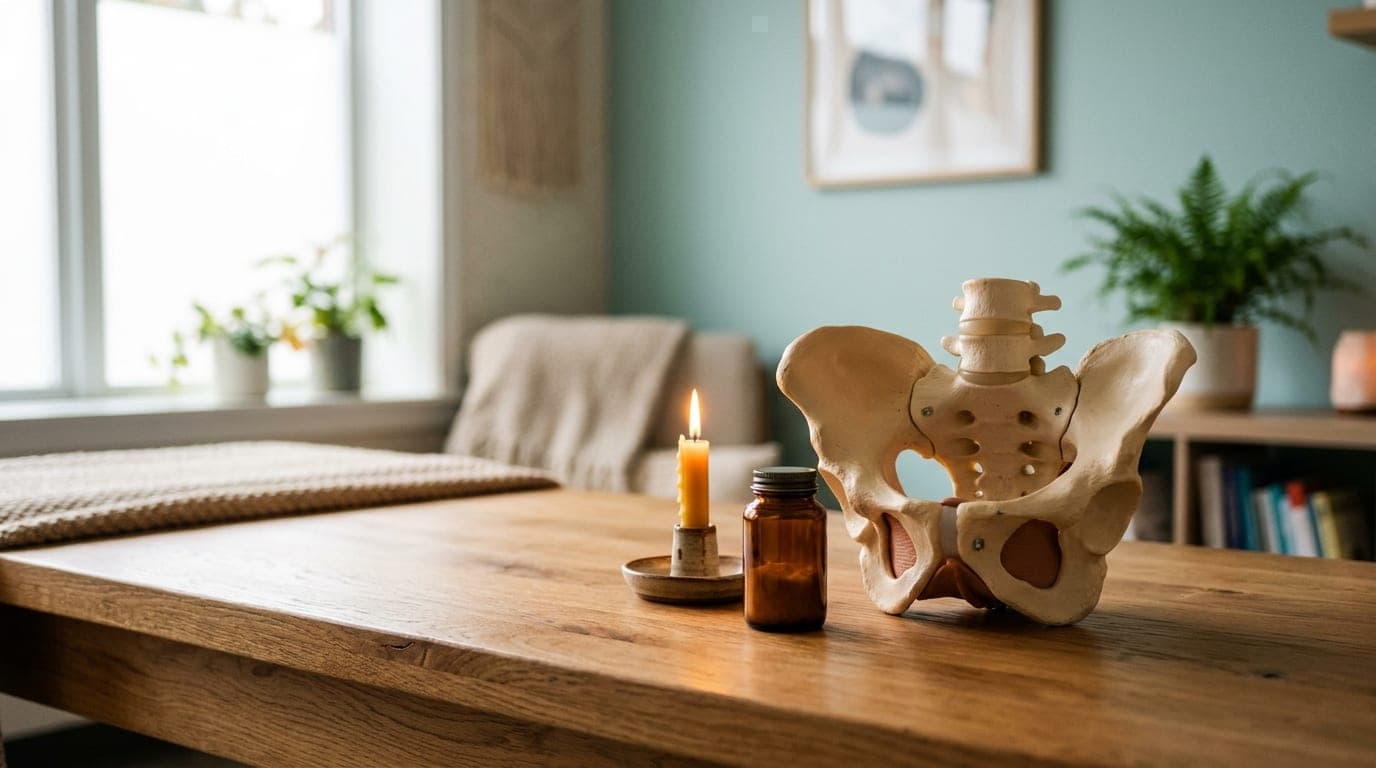
The pelvic floor is a complex layer of muscles, ligaments, and connective tissues (fascia) that stretches from the pubic bone at the front to the tailbone (coccyx) at the back, and from one sit-bone (ischial tuberosity) to the other. To visualize it, imagine a sturdy, flexible hammock that supports the pelvic organs: the bladder, the bowel, and—in those with internal reproductive organs—the uterus.
This "hammock" does not sit in isolation. It is the bottom of a functional pressure canister. The top of this canister is the diaphragm (the primary muscle of respiration), the front and sides are the deep abdominal muscles (transverse abdominis), and the back consists of the multifidus muscles of the spine. When you breathe in, your diaphragm moves downward, and your pelvic floor should ideally move downward in tandem to accommodate the change in intra-abdominal pressure. When you breathe out, both should lift. When this synergy is disrupted, we see the emergence of pelvic floor dysfunction.
The Two Spectrums of Dysfunction: Hypertonic vs. Hypotonic
One of the most persistent myths in health media is that a "weak" pelvic floor is the root of all problems and that "Kegels" (voluntary contractions) are the universal solution. In clinical practice, we categorize dysfunction into two broad, often overlapping categories:
1. Hypotonic (Weak/Underactive): In this state, the muscles lack the necessary tone or strength to support the pelvic organs or maintain closure of the sphincters under pressure (such as coughing, sneezing, or jumping). This is commonly associated with Stress Urinary Incontinence (SUI) and Pelvic Organ Prolapse (POP). Factors contributing to hypotonicity include pregnancy, vaginal childbirth, chronic constipation, and hormonal changes during menopause.
2. Hypertonic (Tight/Overactive): This is an increasingly common clinical finding where the pelvic floor muscles are in a state of chronic contraction. They are unable to relax or "let go." A tight muscle is not a strong muscle; rather, it is a fatigued muscle that lacks the range of motion to function correctly. Hypertonicity can lead to pelvic pain, urgency (the feeling of needing to urinate constantly), painful intercourse, and difficulty emptying the bowels. This is often driven by chronic stress, high-impact over-training, or a history of trauma.
The Role of the Autonomic Nervous System
The pelvic floor is uniquely sensitive to our "fight or flight" response. Because the pelvic nerves are closely tied to the sacral plexus, emotional stress often manifests as physical tension in the pelvic bowl. For many, the pelvis is where they "hold" anxiety, much like others hold tension in their jaw or shoulders. Addressing pelvic health, therefore, is not just a musculoskeletal endeavor—it is a neurological one.
Understanding the Anatomy of Support
Practical Guidance for Maintenance and Prevention
Proactive care of the pelvic floor should be integrated into daily life, much like cardiovascular exercise or dental hygiene. The goal is functional movement: a pelvic floor that can contract when needed and fully relax when at rest.
Diaphragmatic Breathing
The most fundamental tool for pelvic health is the breath. As of May 2026, "belly breathing" is recommended as a first-line intervention for both hypertonic and hypotonic issues. To practice:
Sit or lie comfortably with one hand on your chest and one on your abdomen.
Inhale deeply through your nose, allowing your belly to expand outward.
Visualize your pelvic floor widening and dropping down toward your feet.
Exhale slowly through pursed lips, feeling your belly and pelvic floor gently lift back to their neutral position.
This practice helps regulate intra-abdominal pressure and encourages the pelvic muscles to move through their full range of motion.
When to See a Doctor
While lifestyle adjustments are helpful, certain symptoms require a clinical diagnosis. At The Drift, we advocate for early intervention. If you experience any of the following for more than two weeks, consult a healthcare provider:
Incontinence: Any amount of leaking—whether it's a few drops when you laugh or a sudden, uncontrollable urge—is common but *not* normal. It is a treatable medical condition.
Pelvic Pressure or Heaviness: A feeling of something "falling out" or a persistent bulge in the vaginal or rectal area can indicate pelvic organ prolapse.
Persistent Pelvic Pain: Pain in the vulva, vagina, rectum, or lower abdomen, especially during or after intercourse, or when using a tampon.
Incomplete Emptying: Feeling like you still have to go after you’ve just used the bathroom, or needing to "double void."
Chronic Constipation: If lifestyle changes (fiber/water) don't help, the issue may be "dyssynergic defecation," where the pelvic floor muscles contract instead of relax during bowel movements.
When seeking help, be specific. Instead of saying "I have some discomfort," say "I am experiencing sharp pain in my pelvic floor during penetration," or "I am leaking urine three times a week when I cough." This clinical specificity helps your provider determine whether you need a urologist, a gynecologist, or a specialized physical therapist.
When to See a Doctor
Where to Get Tested or Get Help
Navigating the healthcare system for pelvic issues can be daunting, but there are several specialized pathways to care:
1. Pelvic Floor Physical Therapy (PFPT): This is the "gold standard" for treating pelvic floor dysfunction. Unlike general PT, pelvic floor therapists have advanced training in the internal and external assessment of these muscles. They use biofeedback, manual therapy, and tailored exercise programs to restore function. You can find certified therapists through the American Physical Therapy Association (APTA) or specialized directories like Pelvic Guru.
2. Planned Parenthood: As a leading provider of sexual and reproductive health, Planned Parenthood offers screenings for pelvic pain, infections that might mimic pelvic floor issues, and referrals to specialists. They are a vital resource for inclusive, non-stigmatizing care.
3. Urogynecologists and Urologists: These are medical doctors who specialize in the urinary tract and the female pelvic floor. They can perform diagnostic tests such as urodynamics (to see how the bladder holds and releases urine) or ultrasounds to check for prolapse.
4. Specialized Clinics: In the May 2026 landscape, many urban centers now feature dedicated "Pelvic Health Hubs" that combine PT, nutrition, and psychological counseling to address the complex nature of pelvic pain.
Sources
World Health Organization (WHO): Integrated care for older people (ICOPE) and pelvic health guidelines.
Centers for Disease Control and Prevention (CDC): Prevalence of Pelvic Floor Disorders and Impact on Public Health.
Planned Parenthood: Pelvic Pain and Sexual Health Resources.
National Institutes of Health (NIH): Pelvic Floor Disorders Network (PFDN).
American Physical Therapy Association (APTA): Section on Pelvic Health.