Navigating Post-Partum Sexual Recovery: A Clinical Guide to Physical and Emotional Healing
✔
Reviewed for accuracy | Not a substitute for medical advice
Sponsored Content
Sponsored Content
Frequently Asked Questions
While many doctors give the 'all clear' at six weeks, realistic post-partum-sexual-recovery often takes longer. Most experts suggest waiting until lochia (bleeding) has stopped and any tears have fully healed. Many couples find that 3 to 6 months is a more realistic timeframe for comfortable, pleasurable penetrative sex due to hormonal changes and exhaustion.
Pain during post-partum-sexual-recovery is common but not something you should ignore. It is often caused by vaginal dryness from low estrogen or tight pelvic floor muscles. If lubrication and changing positions do not help, it is important to see a pelvic floor physical therapist to address scar tissue or muscle dysfunction.
Breastfeeding keeps prolactin levels high and estrogen levels low, which can significantly decrease libido and cause vaginal dryness. This is a biological protection mechanism. In post-partum-sexual-recovery, using localized estrogen creams or high-quality lubricants can help manage these physical symptoms even if your desire remains lower than usual.
Yes, you can ovulate before your first postpartum period, meaning you can get pregnant shortly after delivery. Contraception is a vital part of post-partum-sexual-recovery. Discuss options like the mini-pill, IUDs, or condoms with your provider during your six-week checkup to ensure you are protected before resuming activity.
A temporary loss of libido is a standard part of post-partum-sexual-recovery due to sleep deprivation, hormonal shifts, and the demands of newborn care. However, if this is accompanied by deep sadness or anxiety, it may be Postpartum Depression. Open communication with your partner and a consultation with a mental health professional are recommended.
Disclaimer: This content is for informational purposes only and is not a substitute for professional medical advice, diagnosis, or treatment.
Post-partum-sexual-recovery is the multifaceted process of returning to sexual activity and intimacy following childbirth, encompassing physical tissue healing, hormonal stabilization, and psychological adjustment. As of May 2026, clinical guidelines emphasize that while many providers suggest waiting six weeks, the timeline for readiness is highly individual and depends on personal comfort, delivery complications, and mental health. This recovery is not merely a "waiting game" but an active period of rehabilitation where the body transitions from the demands of gestation to a new physiological baseline.
Key Facts
Post-partum-sexual-recovery is influenced by the mode of delivery, breastfeeding status, and the presence of pelvic floor dysfunction, requiring a customized approach to resuming intimacy. Clinical data suggests that the majority of individuals will experience significant changes in libido and physical sensation during the first year, necessitating open communication with partners and healthcare providers to ensure a safe and satisfying transition.
89% of individuals resume sexual activity within six months following childbirth (Planned Parenthood, 2022).
Up to 50% of women experience some form of pelvic organ prolapse or pelvic floor weakness after delivery (CDC, 2023).
Approximately 41% of breastfeeding individuals report persistent vaginal dryness due to suppressed estrogen levels (WHO, 2021).
Understanding the Physiological Timeline of Post-Partum-Sexual-Recovery
The physiological timeline of post-partum-sexual-recovery begins immediately after delivery with the involution of the uterus and the healing of the placental site, typically lasting six to eight weeks. During this window, the body must close the cervix and cease lochia flow to prevent ascending infections, while any surgical incisions from a C-section or perineal repairs undergo the primary stages of tissue remodeling.
Physiological recovery is a complex dance of hormones and cellular repair. Immediately after the placenta is delivered, estrogen and progesterone levels plummet to near-menopausal levels. This "hormonal crash" is necessary for the onset of lactation but can lead to significant vaginal atrophy and dryness, making early attempts at post-partum-sexual-recovery physically uncomfortable. If you are breastfeeding, the hormone prolactin remains high, which continues to suppress estrogen. This biological state often results in a lower libido and a thinner, more fragile vaginal lining.
Furthermore, the physical trauma of birth—whether vaginal or via Cesarean section—requires significant time to mend. For those who experienced a vaginal delivery with an episiotomy or tearing, scar tissue can be sensitive or restrictive. In post-partum-sexual-recovery, scar tissue massage and desensitization are often necessary steps before penetration feels comfortable again. For C-section births, the recovery involves seven layers of tissue healing. Even though the vaginal canal may not have experienced the same stretching, the pelvic floor still carried the weight of the pregnancy for nine months, often leading to hypertonicity (over-tightness) or hypotonicity (weakness).
As of May 2026, the medical community has moved away from the "six-week clearance" as a green light for all activities. Instead, it is viewed as a minimum safety threshold. True post-partum-sexual-recovery may take 12 to 18 months as the body reaches a "new normal." During this time, the use of dating apps like Match or Hinge for couples—essentially "re-dating" your partner—can help bridge the gap between being co-parents and being sexual partners. Resources like Set Adrift offer relationship guidance that focuses on this specific transition, emphasizing that emotional intimacy is a prerequisite for physical intimacy.
Sponsored Content
Psychological and Emotional Barriers in Post-Partum-Sexual-Recovery
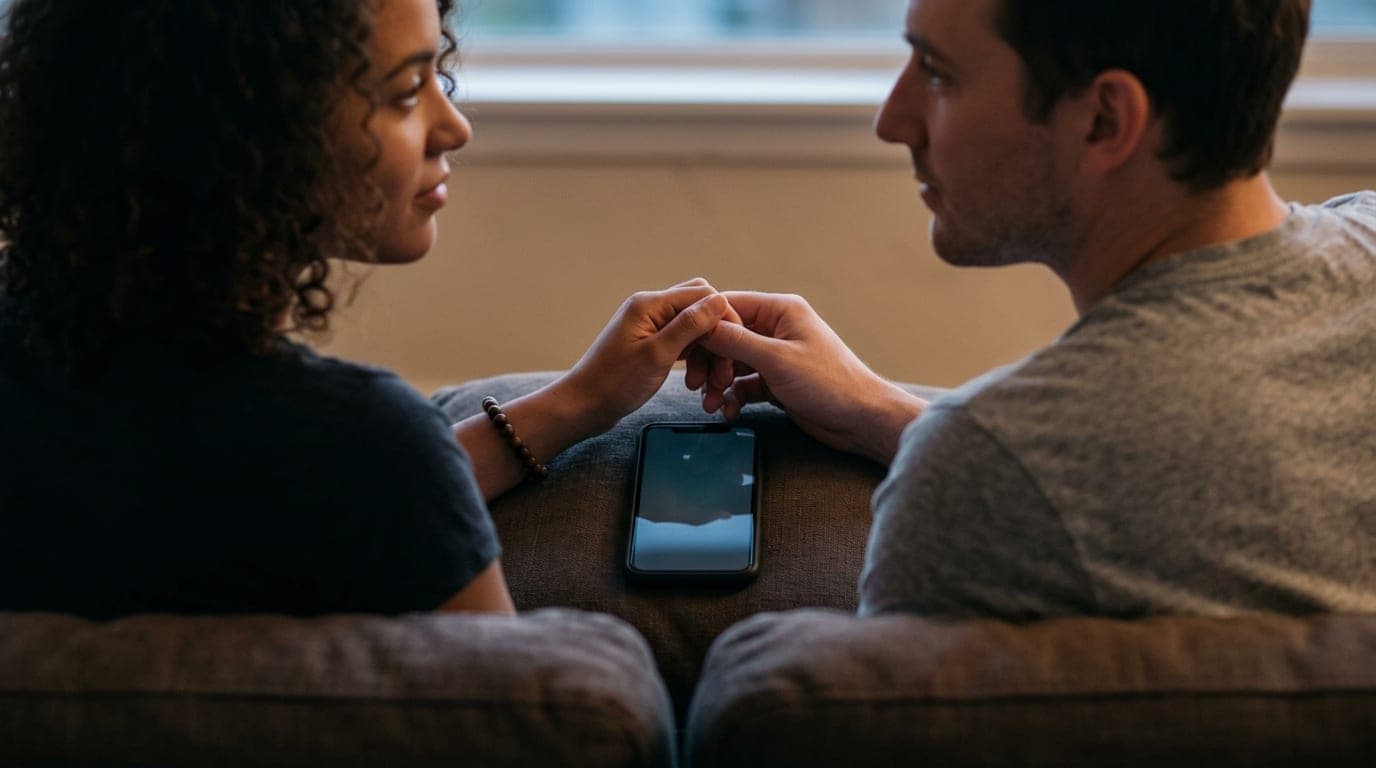
Psychological factors in post-partum-sexual-recovery include changes in body image, the impact of sleep deprivation on libido, and the shift in identity from individual to parent. These emotional hurdles are as significant as physical ones, often requiring cognitive reframing and partner support to overcome the "touched-out" sensation common in the early months of parenting.
The "touched-out" phenomenon is a major component of post-partum-sexual-recovery that is frequently overlooked. When a parent spends the entire day in physical contact with an infant—nursing, rocking, and carrying—their nervous system may become overstimulated. By the time the evening arrives, the prospect of more physical touch, even of a sexual nature, can feel overwhelming rather than inviting. This is a survival mechanism, not a lack of affection for a partner.
Additionally, Postpartum Depression (PPD) and Postpartum Anxiety (PPA) significantly inhibit the recovery of a sexual self. According to the CDC (2023), approximately 1 in 8 women experience symptoms of postpartum depression. These conditions chemically alter interest in pleasure and can make the vulnerability of sex feel unattainable. In the context of post-partum-sexual-recovery, treating the mind is just as important as treating the pelvic floor. Using tools like Bumble’s "BFF" mode to find community support or relationship-focused apps to schedule non-sexual "check-ins" can help rebuild the foundation of the relationship.
Body image also plays a pivotal role. The physical changes—stretch marks, surgical scars, softened abdominal muscles—can lead to a sense of mourning for the pre-pregnancy body. Navigating post-partum-sexual-recovery involves accepting these changes as symbols of strength rather than flaws. Communication with a partner about these insecurities is vital; often, the partner’s perception of the body is far more positive and appreciative than the individual’s self-perception.
Practical Guidance for Resuming Intimacy and Post-Partum-Sexual-Recovery
Practical steps for post-partum-sexual-recovery involve a gradual reintroduction of touch, the consistent use of high-quality lubricants, and the implementation of pelvic floor exercises to regain muscle control. Prioritizing non-penetrative intimacy allows the body to build arousal naturally without the pressure of performance, ensuring that the return to sexual activity is a positive experience for both partners.
Start with Non-Penetrative Touch: Begin post-partum-sexual-recovery by focusing on "outercourse," massage, and skin-to-skin contact to rebuild comfort with being touched without the expectation of penetration.
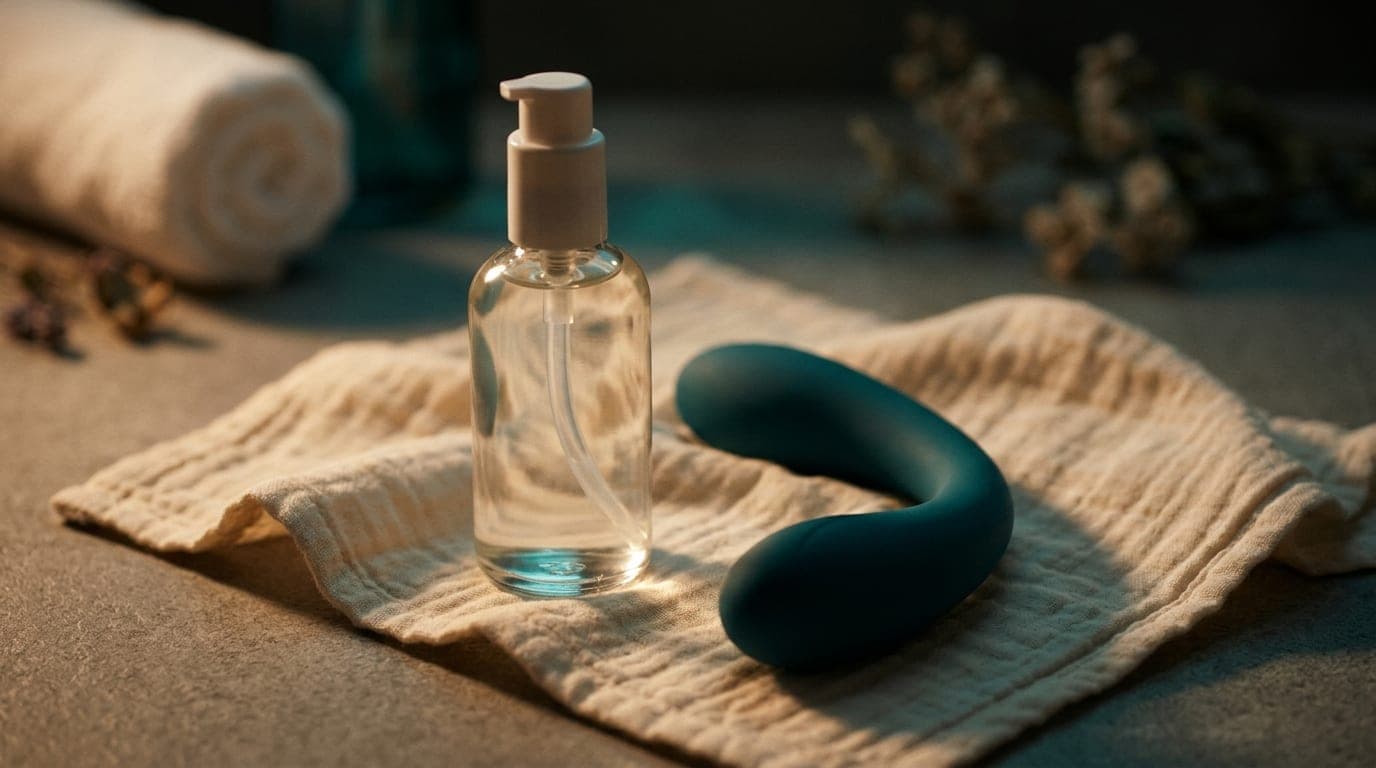
Utilize Water-Based or Silicone Lubricants: Due to low estrogen, natural lubrication is often insufficient; using a generous amount of pH-balanced lubricant is essential to prevent micro-tears and discomfort.
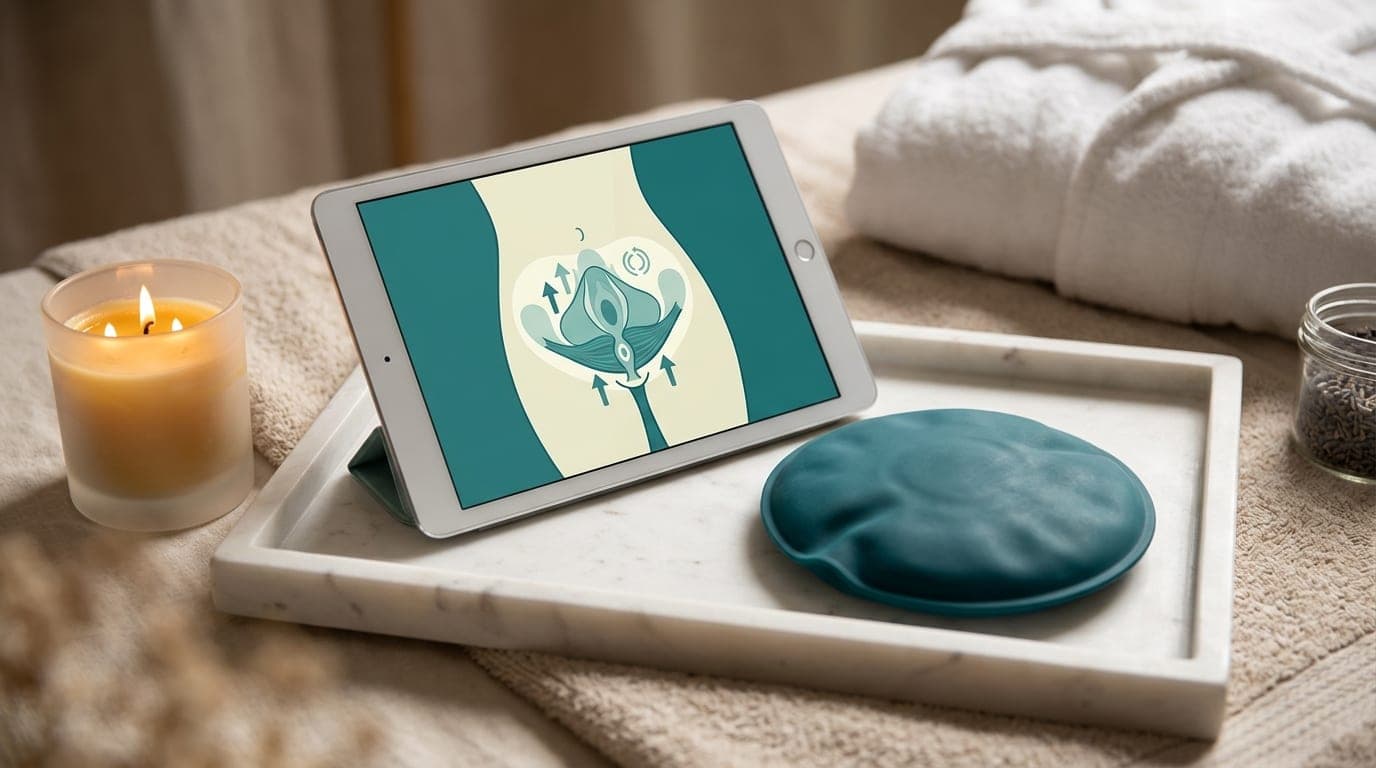
Perform Targeted Pelvic Floor Rehabilitation: Engage in "reverse Kegels" to relax overactive muscles or standard Kegels to strengthen weak ones, ideally under the guidance of a specialist.
Schedule Intimacy: While it sounds unromantic, scheduling time for post-partum-sexual-recovery ensures that both partners are rested and mentally prepared, rather than trying to find time in moments of exhaustion.
Communication is the cornerstone of these steps. Using relationship-enhancing tools or even dating platforms like Match to rediscover common interests outside of the baby can lower the stakes of physical intimacy. When you do decide to attempt penetration, the "stop-start" method is highly recommended. If any pain occurs, stop immediately. Pushing through pain can lead to the development of secondary vaginismus, where the pelvic floor muscles reflexively spasm in anticipation of pain, significantly setting back post-partum-sexual-recovery.
Understanding the Physiological Timeline of Post-Partum-Sexual-Recovery
Comparison of Therapeutic Options for Post-Partum-Sexual-Recovery
Comparing therapeutic options for post-partum-sexual-recovery allows individuals to choose the interventions that best suit their specific symptoms, whether they are dealing with physical pain, hormonal dryness, or muscle weakness. From clinical physical therapy to at-home localized estrogen treatments, various methods exist to accelerate healing and improve the quality of sexual experiences after childbirth.
Option
Effectiveness
Considerations
Pelvic Floor Physical Therapy
High
Requires multiple professional visits; addresses scar tissue and muscle tone.
Localized Estrogen Cream
Very High for Dryness
Prescription required; highly effective for breastfeeding-related atrophy.
Dilator Therapy
Moderate to High
At-home practice; helps with fear of penetration and tissue elasticity.
Relationship Counseling
High for Libido
Addresses the "touched-out" feeling and communication gaps between partners.
Water-Based Lubricants
Immediate Relief
Non-invasive; essential for early post-partum-sexual-recovery.
In selecting an option, consider that many individuals benefit from a combination of these approaches. For instance, a pelvic floor therapist might recommend a specific dilator set or a brand of lubricant to use during at-home exercises. As of May 2026, the integration of telehealth for pelvic health has made these resources more accessible for busy new parents who may find it difficult to attend in-person appointments.
When to See a Doctor Regarding Post-Partum-Sexual-Recovery
A doctor should be consulted if post-partum-sexual-recovery is hindered by sharp or persistent pain, unusual discharge, heavy bleeding after sex, or symptoms of pelvic organ prolapse such as a "heavy" feeling in the vagina. Seeking professional help early can prevent chronic pelvic pain and ensure that any underlying issues, such as infections or improper healing of tears, are addressed promptly.
It is important to differentiate between the expected "newness" of post-partum sensations and clinical pathology. While some tightness is normal, dyspareunia (painful intercourse) that does not improve with lubricant or position changes is a signal to visit an OB-GYN or a urogynecologist. Furthermore, if you notice a bulge at the vaginal opening or experience urinary incontinence during arousal, these are signs that your post-partum-sexual-recovery requires specialized physical therapy. Do not suffer in silence; these are common, treatable conditions that do not have to be your permanent reality.
Mental health is equally a reason for a medical visit. If the thought of intimacy triggers panic attacks, or if a total lack of libido is accompanied by feelings of hopelessness or an inability to bond with the infant, these are clinical indicators of PPD or PPA. Your doctor can provide screenings and refer you to therapists who specialize in the perinatal period, ensuring your post-partum-sexual-recovery includes emotional wellness.
Comparison of Therapeutic Options for Post-Partum-Sexual-Recovery
Where to Get Tested or Get Help for Post-Partum-Sexual-Recovery
Help for post-partum-sexual-recovery can be found through your primary OB-GYN, specialized pelvic floor clinics, and organizations such as Planned Parenthood or Postpartum Support International. These entities offer clinical exams, physical therapy referrals, and mental health resources tailored to the needs of new parents, ensuring a comprehensive support system for returning to sexual health.
If cost is a barrier, many local health departments and Planned Parenthood clinics offer sliding-scale fees for post-partum exams and STI testing, which is still important if you are re-entering the dating world or have multiple partners. For those looking to reconnect with their partner through organized activities, apps like Bumble or Hinge can be used to find double-date opportunities or local parent groups that offer childcare, facilitating the time needed for recovery. Websites like Set Adrift also provide directories for relationship specialists who understand the unique pressures of the postpartum year.
Sources
The sources used in this guide on post-partum-sexual-recovery consist of peer-reviewed clinical data, public health guidelines from recognized global organizations, and reproductive health non-profits. These references ensure that the advice provided is evidence-based, clinically accurate, and reflects the most current medical standards for maternal and sexual health as of May 2026.
CDC (Centers for Disease Control and Prevention). (2023). "Pregnancy and Postpartum Health: Physical and Mental Recovery Guidelines."
WHO (World Health Organization). (2021). "Postnatal Care for Mothers and Newborns: Clinical Standards."
Planned Parenthood. (2022). "Resuming Sexual Activity After Pregnancy: What to Expect."
Postpartum Support International. (2024). "The Impact of Perinatal Mood Disorders on Intimacy."