Clinical Guidelines for Post-Surgery Sexual Rehabilitation and Recovery
✔
Reviewed for accuracy | Not a substitute for medical advice
Sponsored Content
Sponsored Content
Frequently Asked Questions
The standard wait time is typically six to eight weeks for major surgeries, but this varies based on the procedure and your individual healing rate. It is mandatory to receive clearance from your surgeon, as internal sutures and nerve pathways often require more time to heal than the visible external incisions. Engaging in activity too early can lead to dehiscence or infection.
Mild discomfort or a sense of 'tightness' can be common due to scar tissue or pelvic floor tension, but sharp or intense pain is not normal. If you experience pain, stop immediately and try a different position or more lubrication. If the pain persists across multiple attempts, consult a pelvic floor physical therapist to address potential myofascial issues or nerve sensitivity.
Some surgeries, particularly those involving the pelvic area or chest, can result in temporary or permanent changes in sensation due to nerve manipulation. However, the body is resilient, and 'sensation mapping' can help you discover new ways to experience pleasure. In many cases, sensation returns gradually over six to eighteen months as nerves regenerate and inflammation subsides.
Penile rehabilitation is a clinical protocol used primarily after prostate or bladder surgery to maintain erectile health. It often involves the use of PDE5 inhibitors, vacuum devices, or injections to encourage blood flow to the tissue. The goal is to prevent the cavernous tissue from scarring (fibrosis) during the period when the nerves are recovering and natural erections are difficult.
While rehabilitation starts with your individual physical healing, involving a partner is highly recommended for the psychological and emotional aspects of recovery. Open communication about your fears, physical limitations, and what feels good can reduce performance anxiety and build a new foundation for intimacy. Couples counseling with a sex-positive therapist can be an excellent tool during this transition.
Disclaimer: This content is for informational purposes only and is not a substitute for professional medical advice, diagnosis, or treatment.
Navigating the transition back to intimacy after an operation is a critical, yet often overlooked, component of the healing journey. As of June 2026, clinical standards for post-surgery sexual rehabilitation emphasize a "biopsychosocial" approach, acknowledging that physical healing, hormonal shifts, and emotional readiness are equally important. Post-surgery sexual rehabilitation is not merely about returning to previous levels of activity; it is about adapting to the body's current needs, managing expectations, and utilizing medical advancements to ensure a safe and fulfilling experience. Whether you have undergone a minor outpatient procedure or a major life-altering operation, prioritizing your sexual health is an act of proactive self-care.
Key Facts About Post-Surgery Sexual Rehabilitation
Post-surgery sexual rehabilitation is the process of restoring physical function and emotional intimacy through medical, psychological, and physical therapies after a surgical procedure. It addresses changes in sensation, blood flow, and psychological readiness, ensuring that patients can safely return to sexual activity while minimizing complications and maximizing long-term satisfaction through clinical guidance.
Approximately 43% of women and 31% of men report some degree of sexual dysfunction during their lifetime, a figure that increases significantly following major surgical interventions (WHO, 2023).
Planned Parenthood reports that over 50% of their post-operative counseling sessions involve concerns regarding sexual health, contraceptive efficacy, and the restoration of physical comfort after reproductive health procedures (Planned Parenthood, 2024).
According to the CDC, integrating sexual health screenings into standard post-operative follow-up care can improve overall patient quality of life scores by nearly 30% within the first year of recovery (CDC, 2022).
Sponsored Content
Understanding the Scope of Post-Surgery Sexual Rehabilitation
This rehabilitation encompasses a broad range of interventions designed to address the physiological and psychological impacts of surgery on sexual health. Whether following pelvic, cardiac, or gender-affirming procedures, post-surgery sexual rehabilitation focuses on nerve recovery, blood flow management, and the recalibration of intimacy to align with the body’s new physical landscape and capabilities.
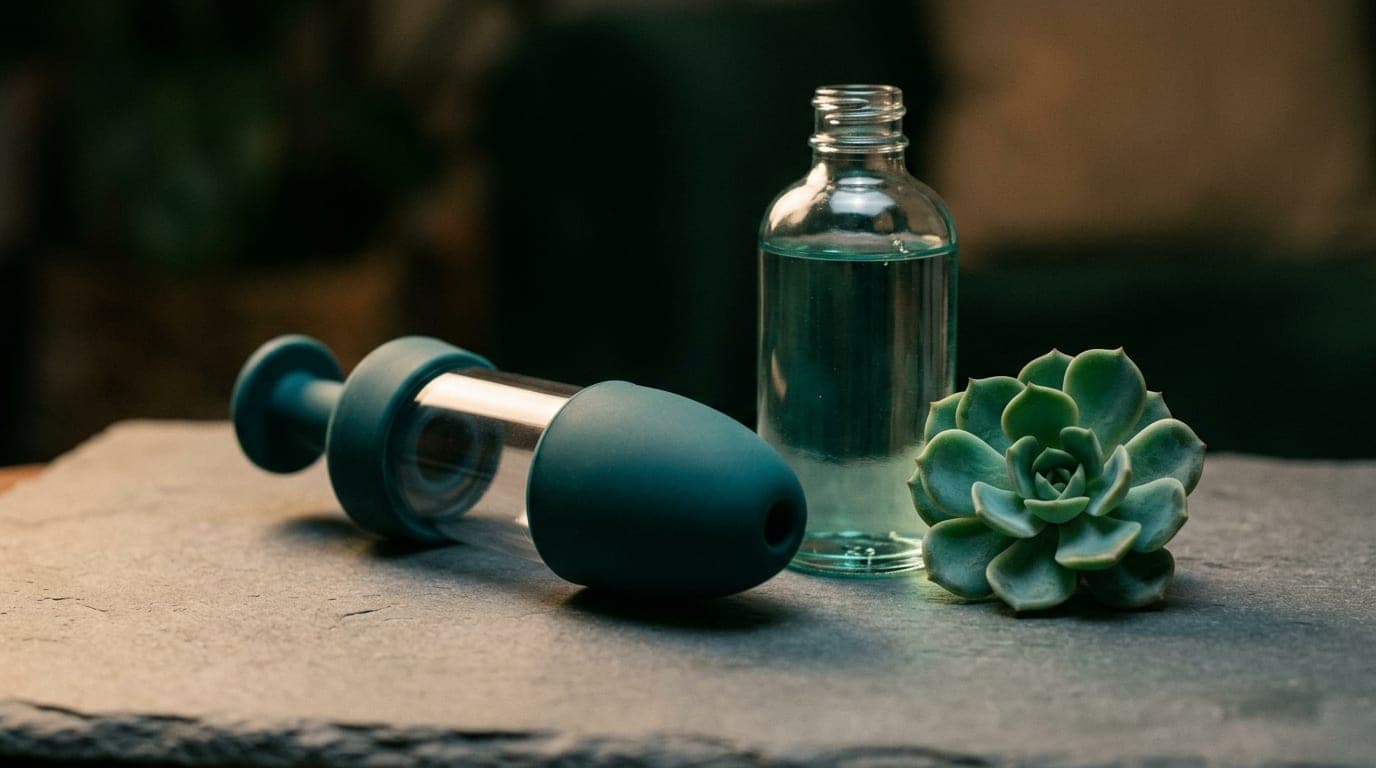
The necessity for post-surgery sexual rehabilitation arises because many surgeries—particularly those involving the pelvic floor, the cardiovascular system, or the endocrine system—can disrupt the delicate pathways required for sexual arousal and response. For instance, radical prostatectomies often involve the manipulation of neurovascular bundles. While "nerve-sparing" techniques have improved significantly, the trauma to these nerves often results in temporary or permanent erectile dysfunction. In such cases, rehabilitation involves the use of "penile rehabilitation" protocols, which may include low-dose PDE5 inhibitors or vacuum tumescence devices to maintain tissue oxygenation and prevent fibrosis.
Similarly, for those who have undergone hysterectomies or oophorectomies, the sudden shift in hormone levels can lead to atrophic vaginitis or a decrease in libido. Post-surgery sexual rehabilitation here might focus on localized estrogen therapy and the use of high-quality lubricants to mitigate discomfort. However, the scope extends beyond the pelvic region. Patients recovering from cardiac surgery often face "kinesiophobia"—the fear of movement—stemming from concerns that sexual activity might trigger a cardiac event. Rehabilitation for these individuals involves graded exercise testing and clear clinical guidance on when the heart is strong enough to handle the metabolic demands of intimacy.
The psychological component is equally vital. Surgery can alter body image, create scars, or require the use of medical appliances like ostomy bags. Post-surgery sexual rehabilitation must address the mental health aspect, helping patients navigate the grief of "lost" function and the anxiety of re-engaging with a partner. This is where the PLISSIT model (Permission, Limited Information, Specific Suggestions, and Intensive Therapy) becomes a gold standard in clinical practice, allowing providers to meet patients where they are and provide scaled interventions.
Inclusive care is also a cornerstone of modern rehabilitation. For individuals undergoing gender-affirming surgeries, such as vaginoplasty or phalloplasty, post-surgery sexual rehabilitation is a mandatory part of the protocol. This includes dilation schedules to maintain vaginal depth or learning how to utilize erectile implants. The goal across all demographics is to foster an environment where sexual health is treated with the same clinical rigor as any other bodily function.
Understanding the Scope of Post-Surgery Sexual Rehabilitation
Practical Steps for Post-Surgery Sexual Rehabilitation
Engaging in practical rehabilitation involves a step-by-step return to intimacy that prioritizes surgical site integrity and patient comfort. Effective post-surgery sexual rehabilitation often includes pelvic floor physical therapy, the use of assistive devices if necessary, and open communication with partners to manage expectations and explore new methods of pleasure that accommodate recovery timelines.
The timeline for post-surgery sexual rehabilitation is unique to every individual, but following a structured medical protocol can prevent injury and reduce anxiety. It is essential to move through these phases only when you feel physically and emotionally prepared.
Obtain Clinical Clearance: Before attempting any sexual activity, including solo play, you must receive explicit approval from your surgeon. Most major surgeries require a minimum of six to eight weeks of healing for primary incisions, though internal healing can take months. Ask specific questions about "activity restrictions" to ensure you understand what movements are safe.
Sensation Mapping and Solo Exploration: Once cleared, begin by reacquainting yourself with your body in a low-pressure environment. Sensation mapping involves touching different areas of the body to see how they feel post-surgery. You may find that areas previously sensitive are now numb, or that new "erogenous zones" have developed. This step helps you understand your body's new map without the pressure of a partner's presence.
Prioritize Pelvic Floor Health: Many surgeries impact the pelvic floor muscles. Consulting a pelvic floor physical therapist is a cornerstone of post-surgery sexual rehabilitation. These specialists can help you regain muscle tone, manage scar tissue through manual therapy, and provide exercises (like tailored Kegels or reverse Kegels) to improve blood flow and reduce pain during penetration.
Gradual Partner Re-introduction: When moving to partner activity, start with non-penetrative intimacy. Focus on "outercourse," sensual massage, and communication. If and when you decide to transition to penetrative sex, use ample lubrication and experiment with positions that take the weight off surgical sites. For example, the side-lying position is often recommended for those recovering from abdominal or cardiac surgeries.
During these steps, it is helpful to use high-quality, body-safe products. For those experiencing vaginal dryness post-surgery, silicone-based lubricants often provide longer-lasting glide, though water-based options are safer for use with silicone toys or certain medical devices. If you are using dilators or other rehabilitation tools, ensure they are cleaned according to medical-grade standards to avoid post-operative infections.
Comparing Approaches to Post-Surgery Sexual Rehabilitation
Different surgical recoveries require tailored rehabilitation strategies, ranging from pharmacological interventions to physical therapy and psychological counseling. Post-surgery sexual rehabilitation varies significantly depending on the nature of the operation, with some patients benefiting most from mechanical aids like vacuum tumescence devices, while others require hormonal replacement or cognitive behavioral therapy to succeed.
Choosing the right approach depends on the primary symptoms being addressed—whether they are mechanical, hormonal, or psychological. Below is a comparison of common rehabilitation modalities often recommended by specialists.
Rehabilitation Option
Primary Effectiveness
Clinical Considerations
Pelvic Floor Physical Therapy (PFPT)
High for pain management and muscle retraining.
Requires multiple sessions with a specialist; highly effective for scar tissue.
Pharmacological Aids (e.g., PDE5 inhibitors)
High for restoring blood flow and erectile function.
Must be monitored for cardiovascular contraindications; doesn't address libido.
Hormone Replacement Therapy (HRT)
High for treating vaginal atrophy and low libido.
Available in systemic or localized (creams) forms; requires bloodwork monitoring.
Sexual Counseling/CBT
High for performance anxiety and body image issues.
Best used in conjunction with physical therapies; helps with partner communication.
Assistive Devices (Dilators/VEDs)
High for maintaining tissue elasticity and volume.
Requires consistent daily or weekly "homework" to see long-term results.
In the realm of digital health, apps like Hinge or Bumble are now seeing more users disclose "recovering" status or "taking it slow," which helps set expectations in the dating world. While these apps aren't medical tools, the social shift toward transparency supports the psychological side of post-surgery sexual rehabilitation. For those in committed relationships, using resources like "Set Adrift" or other intimacy-building tools can bridge the gap during the weeks when physical activity is restricted.
When to See a Doctor About Post-Surgery Sexual Rehabilitation
Patients should consult a healthcare provider if they experience persistent pain, unexpected discharge, or a total lack of sensation during the post-surgery sexual rehabilitation process. Professional intervention is also necessary if psychological distress regarding sexual performance persists beyond the expected healing timeframe or if physical symptoms do not improve with conservative home-based measures.
It is important to remember that while some discomfort is normal during the early stages of recovery, sharp or localized pain is a signal to stop and consult a professional. If you notice any of the following, schedule an appointment with your surgical team or a sexual medicine specialist immediately:
Bleeding from a surgical site following sexual arousal or activity.
New or worsening pelvic pain that does not resolve with rest.
Signs of infection, such as fever, chills, or unusual odors.
A total loss of sensation that lasts longer than the timeframe predicted by your surgeon.
Feelings of intense depression, withdrawal, or "sexual avoidance" that impact your relationship or mental health.
Medical providers are trained to handle these conversations clinicaly and without judgment. In modern healthcare, sexual function is considered a "fifth vital sign," and you have the right to seek care that restores your quality of life.
When to See a Doctor About Post-Surgery Sexual Rehabilitation
Where to Get Tested or Get Help for Post-Surgery Sexual Rehabilitation
Accessing help for post-surgery sexual rehabilitation can be done through specialized clinics, pelvic floor therapists, and organizations like Planned Parenthood or local university hospitals. These institutions provide evidence-based guidance, support groups, and clinical referrals to ensure that patients have the necessary tools to navigate their sexual recovery journey safely and confidently.
For those looking for specific providers, the American Association of Sexuality Educators, Counselors, and Therapists (AASECT) provides a directory of certified professionals who specialize in sexual rehabilitation. Additionally, many large hospital systems now offer "Integrative Medicine" or "Sexual Medicine" departments specifically for post-cancer or post-cardiac recovery. If you are concerned about STIs or reproductive health during your recovery, Planned Parenthood remains a premier resource for testing and contraceptive counseling, ensuring that your path to recovery is both safe and protected. Do not hesitate to use telehealth options, which have become a standard way to discuss sensitive rehabilitation topics from the comfort of your home.
Verified Sources for Post-Surgery Sexual Rehabilitation
The clinical data and recovery protocols regarding post-surgery sexual rehabilitation are sourced from leading health authorities including the World Health Organization and the Centers for Disease Control and Prevention. These organizations provide the evidence-based framework necessary for healthcare providers to develop safe, effective, and inclusive rehabilitation programs for diverse patient populations.
World Health Organization (WHO). (2023). "Sexual Health and Well-being: Global Standards for Post-Operative Care."
Centers for Disease Control and Prevention (CDC). (2022). "Integrating Sexual Health into Chronic Disease Management and Surgical Recovery."
Planned Parenthood Federation of America. (2024). "Post-Surgical Reproductive Health: A Patient Guide to Recovery and Intimacy."
American Association of Sexuality Educators, Counselors, and Therapists (AASECT). (2025). "Clinical Guidelines for Sexual Rehabilitation Specialists."