Sensory-Processing-and-Intimacy: A Clinical Guide to Neurodivergent Wellness
✔
Reviewed for accuracy | Not a substitute for medical advice
Sponsored Content
Sponsored Content
Frequently Asked Questions
Sensory seeking individuals require higher levels of input, such as deep pressure or intense textures, to feel pleasure and stay grounded. Sensory avoiders are easily overwhelmed by touch, sound, or light, and require a low-stimulus environment to feel safe. Understanding which category you fall into is the first step in managing sensory-processing-and-intimacy.
Yes. Many individuals with sensory-processing-and-intimacy challenges appear to have a low sex drive because the sensory 'cost' of intimacy is too high. If the environment is overwhelming, the brain prioritizes survival over arousal. Adjusting the sensory environment can often 'unlock' a person's natural libido by removing the neurological barriers to pleasure.
Frame the conversation around 'maximizing pleasure' rather than 'avoiding problems.' For example, you might say on a date from Match or Bumble, 'I’ve found that I’m much more present and enjoy touch more when the lighting is low and it’s quiet.' This positions your sensory-processing-and-intimacy needs as a tool for better connection.
Yes, products designed for sensory regulation can be repurposed for intimacy. Silk or bamboo sheets can reduce skin irritation, and water-based, warming or cooling lubricants can provide a controlled sensory experience. Using a 'sensory barrier' like thin clothing can also help those with sensory-processing-and-intimacy challenges transition to direct skin contact.
While Sensory Processing Disorder (SPD) is not currently a standalone diagnosis in the DSM-5, it is widely recognized by occupational therapists and clinicians as a common feature of ADHD, Autism, and other neurodivergent profiles. Addressing it clinically often involves working with an OT to develop a personalized sensory-processing-and-intimacy management plan.
Disclaimer: This content is for informational purposes only and is not a substitute for professional medical advice, diagnosis, or treatment.
Sensory-processing-and-intimacy is the intersection of neurological function and physical connection, determining how an individual perceives and reacts to the multi-sensory environment of sexual health. As of June 2026, clinical research increasingly emphasizes that a person’s sensory profile—whether they are "sensory seeking" or "sensory avoiding"—is a foundational component of sexual compatibility and satisfaction. For many neurodivergent individuals, including those with ADHD or Autism, the biological processing of touch, sound, and light can fluctuate between euphoria and painful overstimulation. Acknowledging these differences is not a sign of dysfunction but a vital step toward a healthy, shame-free intimate life.
Key Facts about Sensory-Processing-and-Intimacy
Sensory-processing-and-intimacy is governed by the brain’s ability to organize and prioritize sensory inputs like pressure, temperature, and noise. When the nervous system is hypersensitive, typical intimate acts can become distressing, while hyposensitivity may require more intense stimulation to feel pleasure. Recognizing these patterns is essential for fostering a safe, communicative, and fulfilling physical relationship.
According to the CDC (2023), developmental disabilities that often involve sensory processing challenges affect approximately 1 in 6 children, many of whom carry these traits into adult intimate lives.
The World Health Organization (WHO, 2023) notes that roughly 15% of the global population lives with some form of disability, emphasizing the need for inclusive, neuro-affirming sexual health education.
A 2024 survey from Hinge indicated that 42% of users find it helpful when potential partners disclose sensory preferences or "social batteries" early in the dating process.
Sponsored Content
Understanding the Impact of Sensory-Processing-and-Intimacy
The biological reality of sensory-processing-and-intimacy involves the eight sensory systems, including the tactile, vestibular, and interoceptive systems. These systems dictate how your body interprets internal signals like arousal or external signals like a partner's touch. When these inputs are processed efficiently, intimacy feels cohesive; when they are not, it can lead to sensory "meltdowns" or "shutdowns."
When we discuss sensory-processing-and-intimacy, we must look beyond the traditional five senses. For example, the proprioceptive system helps us understand where our body is in space. In an intimate setting, a lack of proprioceptive input might make a person feel "groundless" or anxious unless they are held with firm, deep pressure. Conversely, those with tactile hypersensitivity might find light touch, such as a gentle caress, to be physically painful or akin to an electric shock. This is often referred to as "tactile defensiveness."
Furthermore, the interoceptive system is crucial for sensory-processing-and-intimacy. Interoception is the sense of the internal state of the body, including hunger, heart rate, and sexual arousal. Many neurodivergent individuals struggle with interoceptive awareness, meaning they may not realize they are becoming overstimulated or even fully aroused until they reach a breaking point. This delay can complicate consent and communication. By clinical standards, improving interoceptive awareness through mindfulness or body-scanning techniques can significantly enhance the experience of intimacy.
The auditory and visual environments also play a massive role. In the context of sensory-processing-and-intimacy, "background noise" is rarely truly in the background for someone with sensory processing differences. The hum of a refrigerator, the ticking of a clock, or even the sound of a partner’s breathing can become an insurmountable distraction. Similarly, harsh fluorescent lighting can trigger a sympathetic nervous system "fight or flight" response, making it biologically impossible for the body to transition into a parasympathetic "rest and digest" state necessary for sexual arousal.
Shame often accompanies these experiences. Many individuals feel that their sensory needs are "burdensome" or "unsexy." However, clinical perspectives from organizations like Planned Parenthood emphasize that all bodies have unique needs. Reclaiming the narrative around sensory-processing-and-intimacy involves moving away from the idea of "normal" sex and toward a model of "functional" sex—what actually works for the individuals involved. This might mean using earplugs, keeping the lights off, or sticking to specific textures of clothing and bedding.
Understanding the Impact of Sensory-Processing-and-Intimacy
Practical Strategies for Improving Sensory-Processing-and-Intimacy
Managing sensory-processing-and-intimacy requires a proactive approach centered on environmental control and clear, non-verbal communication. By identifying triggers and implementing "sensory scaffolding," individuals can reduce the cognitive load required to process physical touch. This allows the nervous system to remain regulated, facilitating deeper emotional and physical connection between partners without the risk of sensory overload.
Conduct a Sensory Audit: Before engaging in intimacy, evaluate your environment for potential triggers. Check for scented candles, rough fabrics, or distracting noises. Replace scratchy wool blankets with soft cotton or silk, and consider using a white noise machine to mask unpredictable sounds that might disrupt sensory-processing-and-intimacy.
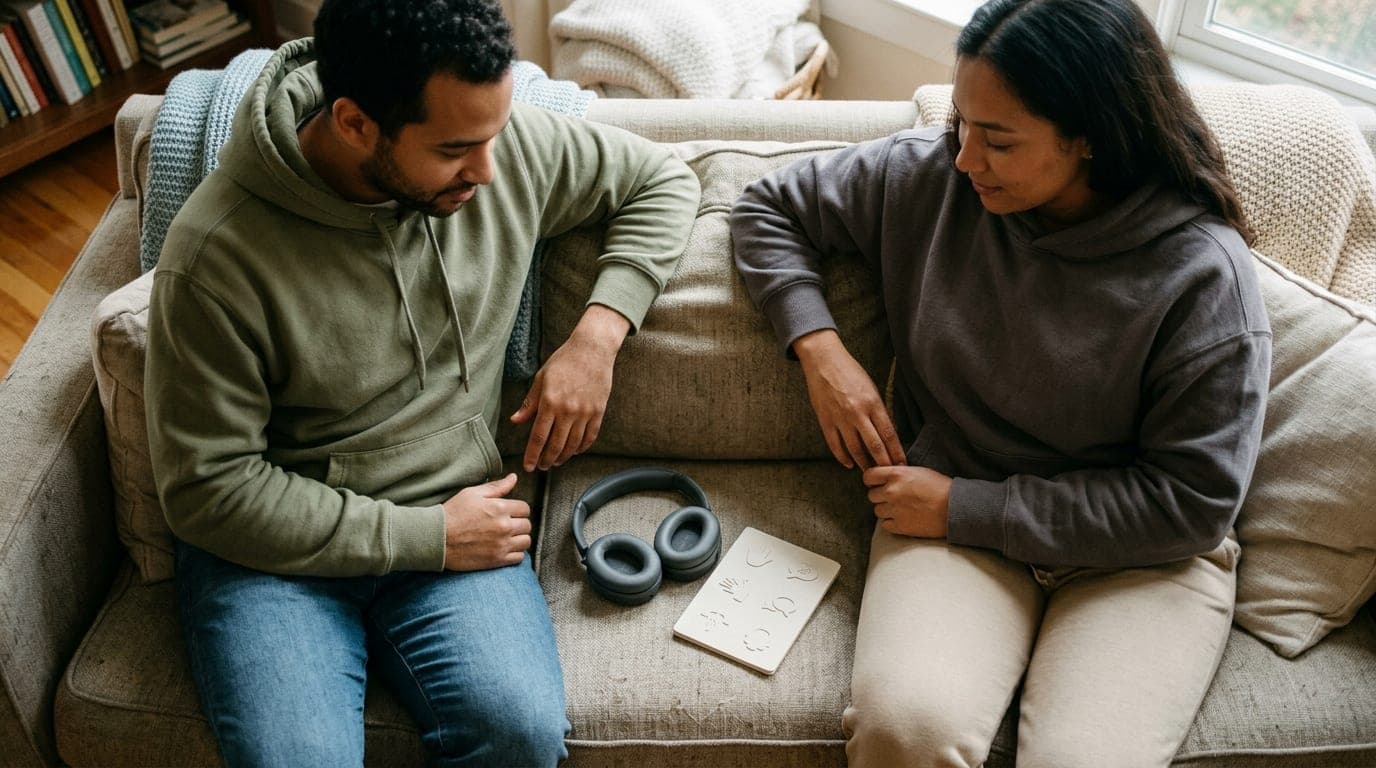
Establish Non-Verbal Cues: During moments of high stimulation, verbal communication can become difficult for those with sensory processing challenges. Establish a "traffic light" system or hand signals to indicate if you need to slow down (yellow), stop (red), or if you are enjoying the current level of input (green).
Utilize Deep Pressure Therapy: For those who are sensory seekers or have proprioceptive needs, incorporating deep pressure can be grounding. Weighted blankets, firm massage, or "squeezing" can help regulate the nervous system, making the transition into sensory-processing-and-intimacy smoother and more comfortable.
Practice Incremental Exposure: If certain types of touch are overwhelming, try "bridging." This involves starting with a sensation that feels safe, such as firm pressure through clothing, and slowly moving toward direct skin contact. This allows the brain time to habituate to the stimulus without triggering a "shutdown."
Beyond these steps, it is helpful to look at how modern tools can support these transitions. For instance, apps like Bumble and Hinge allow for more detailed profiles where users can mention being "neurospicy" or having specific environmental needs. This preemptive honesty can filter for partners who are naturally more accommodating or share similar sensory profiles, which is a major factor in long-term sensory-processing-and-intimacy success.
It is also important to consider the "aftercare" phase. For many, the end of an intimate encounter brings a sudden drop in sensory input, which can be just as jarring as a sudden increase. Maintaining sensory-processing-and-intimacy through the cooling-down period might involve immediate access to a favorite "comfort" texture, a specific drink to help with interoception, or a period of "parallel play" where partners are near each other but not touching.
Environmental Modifications for Sensory-Processing-and-Intimacy
Modifying the physical space is a highly effective way to manage sensory-processing-and-intimacy and ensure that the nervous system remains in a state of safety. Small changes to lighting, sound, and tactile surfaces can prevent the "sensory cup" from overflowing. The following table compares common environmental modifications and their expected clinical impact on the sensory experience during intimacy.
Option
Effectiveness
Considerations
Dimmable Smart Lighting
High
Reduces visual overstimulation; red tones can help maintain melatonin levels and relaxation.
Unscented/Hypoallergenic Lubricants
Very High
Essential for those with olfactory sensitivities or tactile hypersensitivity to chemicals.
High-GSM Cotton Bedding
Moderate
Provides a consistent, soft tactile field; reduces "prickling" sensations from low-quality fabrics.
Noise-Canceling Earbuds
High
Helpful for those with misophonia or auditory processing disorder (APD) to focus on a partner.
Weighted Blankets
High
Provides proprioceptive input that can lower heart rate and reduce anxiety during or after intimacy.
When selecting these options, consider the specific "direction" of your sensory needs. If you are a seeker, you might prefer high-contrast environments or textured toys that provide significant feedback. If you are avoidant, your sensory-processing-and-intimacy strategy should focus on "reduction"—removing as much extraneous data from the room as possible. Clinical providers often suggest a "neutral baseline," where you start with zero stimuli and add only what is explicitly pleasurable.
In addition to the physical environment, biological factors like hydration and blood sugar play a role. A nervous system that is already stressed by hunger or thirst will have a much lower threshold for sensory-processing-and-intimacy challenges. Keeping a "sensory kit" near the bed—containing water, a small snack, and perhaps a fidget tool—can help maintain regulation throughout the experience.
When to See a Doctor Regarding Sensory-Processing-and-Intimacy
You should consult a healthcare professional if sensory-processing-and-intimacy issues cause persistent distress, physical pain, or an inability to engage in desired activities. An Occupational Therapist (OT) specializing in adult sensory integration or a neuro-affirming sex therapist can provide targeted exercises to help desensitize specific triggers or improve interoceptive awareness for better intimate health.
Clinical intervention is particularly important if you find that your sensory reactions are indistinguishable from trauma responses. While sensory processing differences are neurological, they can mimic or overlap with Post-Traumatic Stress Disorder (PTSD). A qualified doctor can help distinguish between a neurological sensory-processing-and-intimacy issue and a psychological trauma response, ensuring you receive the correct type of support. If touch consistently results in a "dissociative" state, professional guidance is a necessary safety step.
Furthermore, some physical conditions can exacerbate sensory issues. For instance, certain hormonal imbalances or vitamin deficiencies (like B12) can make the skin more sensitive to touch or the ears more sensitive to sound. A primary care physician can rule out these underlying medical causes through routine blood work. If you are using platforms like Match or eHarmony and finding that sensory-processing-and-intimacy hurdles are preventing you from forming the long-term connections you desire, a therapist can also assist with the communication skills needed to bridge that gap with new partners.
When to See a Doctor Regarding Sensory-Processing-and-Intimacy
Where to Get Tested or Get Help for Sensory-Processing-and-Intimacy
Help for sensory-processing-and-intimacy is available through various specialized channels, including Occupational Therapy clinics and neuro-affirming mental health practices. Most general practitioners do not screen for adult sensory processing disorder, so seeking a specialist who understands neurodivergence is key. Organizations like Planned Parenthood also offer resources on disability-inclusive sexual health and can refer you to competent local providers.
To begin the process, you might look for an Occupational Therapist who uses the "Sensory Profile 2" or similar adult assessments. These tests provide a clinical roadmap of your specific sensitivities. For those navigating the dating world, seeking out "neuro-inclusive" coaches can help you learn how to discuss your sensory-processing-and-intimacy needs on apps like Bumble or Hinge. This ensures that you aren't just finding a partner, but finding a partner who respects your neurological boundaries.
Telehealth has also expanded access to specialists in sensory-processing-and-intimacy. Many therapists now offer remote sessions focused specifically on "sensory diets" for adults, which include activities designed to keep your nervous system regulated throughout the day so that you aren't already "tapped out" by the time you reach the bedroom. If costs are a concern, many university-affiliated clinics offer sliding scale fees for sensory assessments and counseling.
Sources for Sensory-Processing-and-Intimacy Information
The information provided in this guide is based on current clinical standards and data from leading health organizations. Understanding sensory-processing-and-intimacy requires a multidisciplinary approach, combining neurology, occupational therapy, and sexual health education. These sources provide the evidence-based foundation for managing sensory needs in a way that promotes safety, inclusivity, and pleasure for all individuals.
Centers for Disease Control and Prevention (CDC). (2023). "Data and Statistics on Autism Spectrum Disorder."
World Health Organization (WHO). (2023). "Disability and Health Fact Sheet."
Planned Parenthood. (2024). "Sex and Disability: Resources for Inclusive Intimacy."
Hinge. (2024). "The Movement for Relationship Wellness: Neurodiversity in Dating Report."
STAR Institute for Sensory Processing. (2023). "Understanding Sensory Processing Disorder in Adults."