Navigating Sexual Wellness for Neurodivergent Teens: A Comprehensive Clinical Guide
✔
Reviewed for accuracy | Not a substitute for medical advice
Sponsored Content
Sponsored Content
Frequently Asked Questions
Sensory sensitivities can make certain textures, sounds, or types of physical touch overwhelming. This may lead to discomfort with barrier methods like condoms or distress in typical intimate environments. Sexual-wellness-for-neurodivergent-teens involves identifying these triggers and using sensory-friendly alternatives, such as non-latex options or adjusting the lighting and sound to ensure comfort and safety during intimacy.
Many neurodivergent individuals interpret language literally and may struggle to decode non-verbal social cues or subtle hints. Direct communication—using explicit questions and clear 'yes/no' statements—removes ambiguity regarding consent and boundaries. This clarity is essential for sexual-wellness-for-neurodivergent-teens, as it reduces the risk of misunderstandings and ensures that all partners are fully aware of each other's needs and limits.
A neuro-affirming provider is someone who understands neurodivergence and is willing to accommodate sensory and communication needs. This includes explaining procedures in detail, allowing for sensory breaks, and offering contraception options that align with the patient's executive functioning. When seeking care for sexual-wellness-for-neurodivergent-teens, it is helpful to ask if the provider has experience with autistic or ADHD patients.
Clinically, neurodivergent teens are at a higher risk for sexual victimization and may face barriers to accessing accurate, inclusive education. Their social processing styles can sometimes be exploited by others. Promoting sexual-wellness-for-neurodivergent-teens involves teaching self-advocacy, explicit consent, and digital safety to mitigate these risks and empower the individual to navigate relationships safely.
Executive dysfunction can make it difficult to remember daily tasks, such as taking a birth control pill at the same time every day. This can lead to decreased effectiveness of certain contraceptive methods. For better sexual-wellness-for-neurodivergent-teens, providers often recommend long-acting methods like IUDs or using digital reminders and visual checklists to manage reproductive health routines effectively.
Disclaimer: This content is for informational purposes only and is not a substitute for professional medical advice, diagnosis, or treatment.
Sexual wellness for neurodivergent teens requires a nuanced, sensory-informed approach that prioritizes clear communication, boundary-setting, and personalized education to navigate the complexities of physical and emotional intimacy safely and confidently. As of June 2026, healthcare providers and educators recognize that neurodivergent individuals—including those with autism, ADHD, and sensory processing disorders—often experience unique sensory and social challenges that necessitate specific, inclusive sexual health resources tailored to their cognitive processing styles. This guide provides an authoritative look at the intersections of neurodiversity and sexual health, ensuring every teen has the tools for a safe and empowered transition into adulthood.
Key Facts about Sexual Wellness for Neurodivergent Teens
Sexual-wellness-for-neurodivergent-teens is a critical field of clinical focus that addresses the developmental, sensory, and social needs of youth with diverse cognitive profiles. Research indicates that tailored interventions significantly improve health outcomes, helping teens understand their bodies, establish healthy boundaries, and recognize social cues that are essential for safe, consensual interactions in both physical and digital spaces.
1 in 36 children are identified with autism spectrum disorder (CDC, 2023).
Neurodivergent youth are nearly three times more likely to report sexual victimization compared to their neurotypical peers (CDC, 2021).
Approximately 80% of neurodivergent individuals identify as LGBTQIA+ or have diverse gender identities (WHO, 2024), necessitating inclusive health frameworks.
Understanding Sensory Processing and Sexual Wellness for Neurodivergent Teens
Sexual-wellness-for-neurodivergent-teens involves understanding how sensory sensitivities—such as over-responsiveness to touch, light, or sound—can impact physical intimacy and the use of barrier methods. By identifying specific sensory triggers and preferences, teens can create comfortable environments that allow them to explore their sexual health without experiencing sensory overload or physical distress during intimate moments.
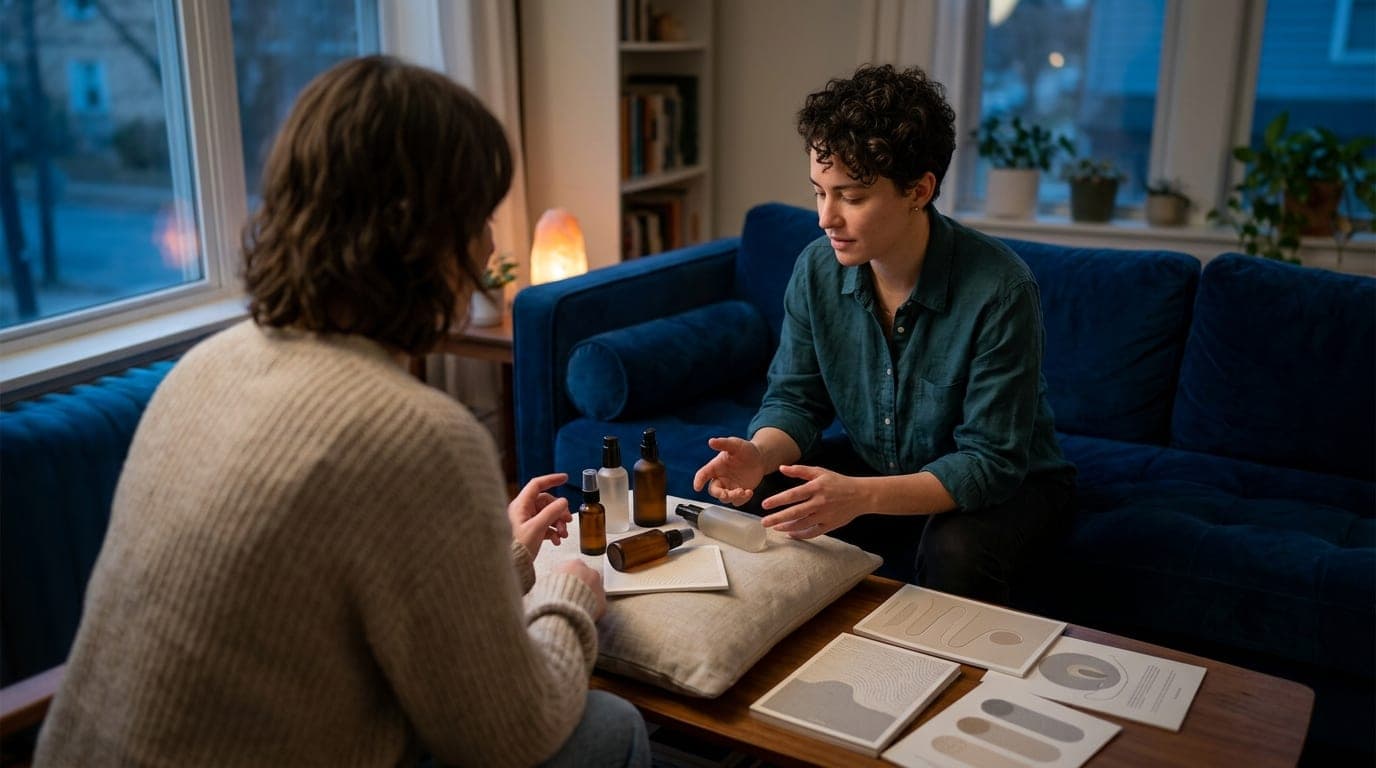
Sensory processing is the way the nervous system receives messages from the senses and turns them into responses. For many neurodivergent teens, certain textures, pressures, or environmental stimuli can be overwhelming or even painful. In the context of sexual wellness, this means that traditional methods of protection or physical intimacy might require adaptation. For example, some individuals may find the texture of latex or the scent of certain lubricants to be a sensory "deal-breaker." Clinical guidance suggests exploring non-latex alternatives or unscented products to maintain safety without triggering a sensory meltdown.
Beyond the physical sensations of intimacy, the environment plays a significant role. Bright lights, loud music, or even the subtle hum of an air conditioner can detract from the experience for a neurodivergent person. Learning to "audit" one’s environment for sensory comfort is a proactive step in sexual wellness. This autonomy allows teens to set the stage for experiences that are pleasurable rather than stressful. It also includes understanding one’s own "proprioceptive" needs—the sense of self-movement and body position. Some neurodivergent individuals prefer deep pressure, while others may find light touch uncomfortable. Communicating these needs to a partner is a fundamental skill in sexual health education.
Furthermore, internal sensory awareness, known as interoception, can be different for neurodivergent youth. This might mean they have difficulty recognizing physical cues for arousal, hunger, or even the need to use the bathroom. In a sexual context, this can lead to confusion about one's own feelings or physical boundaries. Strengthening interoception through mindfulness or specific clinical exercises can help teens better understand their body's signals, leading to more authentic and safe sexual experiences.
Sponsored Content
Communication Strategies and Sexual Wellness for Neurodivergent Teens
Practical communication for sexual-wellness-for-neurodivergent-teens centers on the use of direct, explicit language and "scripts" to navigate consent, boundaries, and relationship expectations clearly. Because social nuances and non-verbal cues can be misinterpreted, prioritizing literal communication helps ensure that all parties are comfortable and fully consenting throughout any level of sexual or emotional interaction.
The standard "nuance-based" dating world can be an absolute minefield for someone who interprets language literally or struggles with non-verbal social cues. In sexual health, "maybe" or a hesitant "yes" are often taught as "no," but for many neurodivergent teens, the concept of enthusiastic consent needs to be broken down into concrete, verbal markers. Using direct questions like "Can I touch your arm?" or "Is it okay if I kiss you?" removes the guesswork. This clinical approach to "scripting" allows the teen to have a toolkit of phrases they can use to express their desires or their discomfort without having to decode complex social signals in the heat of the moment.
Healthy relationships also require navigating "unspoken" rules that are often anything but clear. Neurodivergent youth may benefit from explicit instruction on:
The differences between public and private behaviors and locations.
How to distinguish between friendly behavior and romantic or sexual interest.
The process of digital consent, including the risks and legalities of sharing images.
Ways to end a relationship or a physical encounter safely and clearly.
Building these skills early prevents misunderstandings and protects the teen from potentially harmful situations. It also fosters self-advocacy; a teen who knows they have the right to say "Stop" at any time and has practiced saying it is much more likely to exercise that right in a real-world scenario.
Executive function also plays a role in communication and wellness. Planning for a date, remembering to bring protection, or managing the timing of contraceptive medication are all executive function tasks. For teens with ADHD or autism, these tasks can be challenging. Clinical support often includes creating visual checklists or setting phone reminders to ensure that the practical aspects of sexual health are managed as effectively as the emotional aspects.
Understanding Sensory Processing and Sexual Wellness for Neurodivergent Teens
Navigating Barriers and Support for Sexual Wellness for Neurodivergent Teens
When exploring sexual-wellness-for-neurodivergent-teens, choosing the right support model depends on individual learning preferences, whether that involves self-paced digital modules, peer-led support groups, or clinical 1:1 counseling. Comparing these options allows teens and their guardians to select resources that accommodate specific executive functioning needs and social comfort levels for optimal health outcomes.
Support for neurodivergent sexual wellness is not a one-size-fits-all model. Some teens prefer the anonymity and control of digital platforms like Planned Parenthood’s online resources or specific neurodivergent-focused apps. Others may find that the social interaction of a peer group provides valuable "real-world" practice in communication and boundary-setting. In a clinical setting, an occupational therapist or a sex-positive therapist can work on specific sensory or motor skills related to sexual health and hygiene.
Option
Effectiveness
Considerations for Neurodivergence
Neuro-affirming Clinical Counseling
High for personalized strategies
Requires finding a provider specialized in both neurodiversity and sexual health.
Peer Support Groups
Moderate to High for social skill building
May be overwhelming for those with high social anxiety or severe sensory triggers.
Digital Education (Planned Parenthood)
High for foundational knowledge
Excellent for literal learners; allows for self-pacing and re-reading.
Occupational Therapy (OT)
High for sensory/motor issues
Focuses on the mechanics of hygiene and sensory management in intimate settings.
It is also important to mention brand entities that are making strides in accessibility. For example, some dating apps like Hinge or Bumble offer prompts that can help neurodivergent users express their communication styles or sensory needs upfront. While many apps are generic, seeking out those that allow for more detailed profile customization can reduce the stress of the "initial encounter." Within the clinical sphere, resources from organizations like the Autistic Self Advocacy Network (ASAN) provide "Easy Read" guides that are essential for those with different processing speeds or learning disabilities.
When to See a Doctor Regarding Sexual Wellness for Neurodivergent Teens
Seeking medical consultation for sexual-wellness-for-neurodivergent-teens is essential when facing persistent sensory aversion to hygiene, reproductive health concerns, or when needing guidance on contraception that suits executive functioning. A neuro-affirming healthcare provider can offer specialized advice that respects neurotype-specific needs while ensuring the teen receives standard clinical screenings and preventive care appropriately.
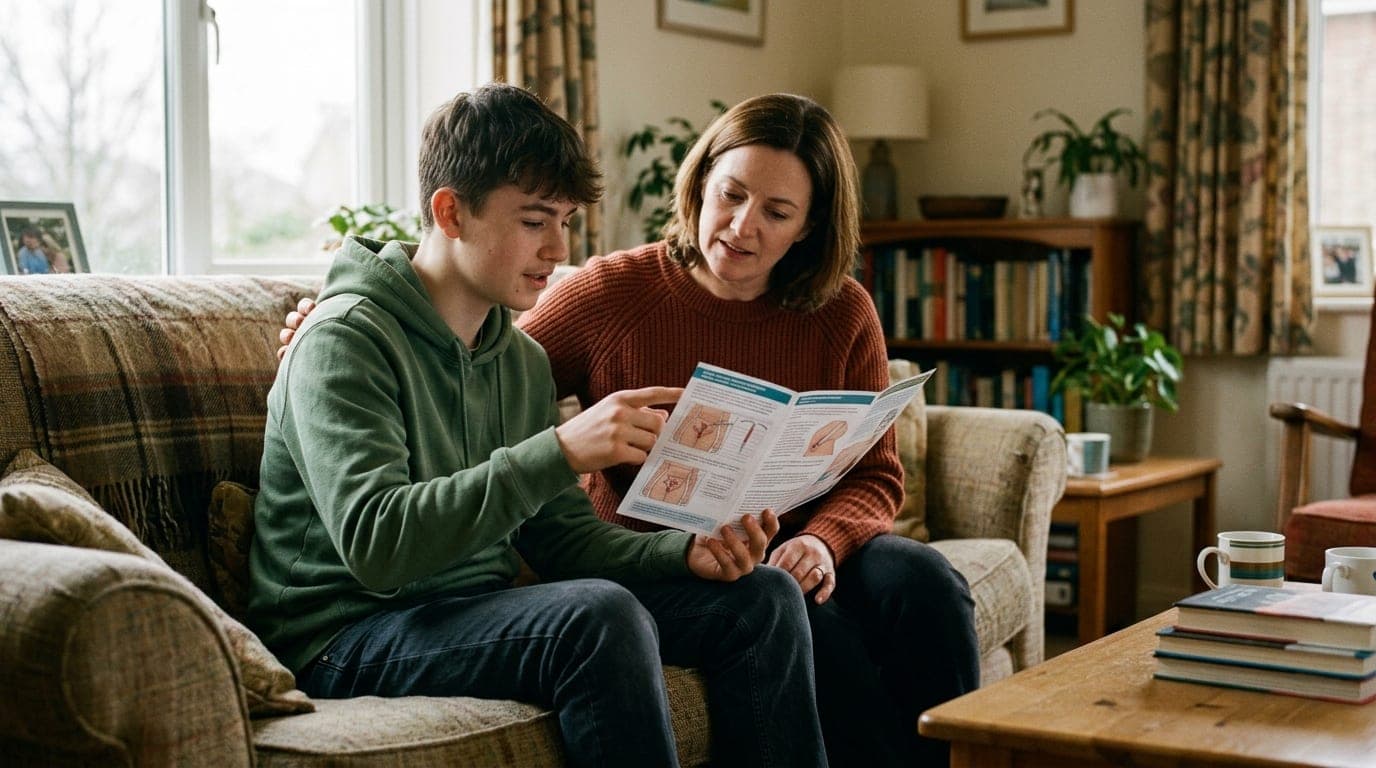
Medical visits can be a source of significant anxiety for neurodivergent individuals due to the physical touch involved in exams, the clinical environment (cold, bright, loud), and the unpredictability of the visit. It is crucial to see a doctor who understands how to provide a "sensory-friendly" exam. This might involve the doctor explaining every step before it happens, allowing the patient to keep certain clothes on, or using different tools to minimize discomfort. If a teen is experiencing pain during physical intimacy, it is not something to "push through." A doctor can help determine if the cause is physiological, such as pelvic floor tension, or sensory-related, and provide a treatment plan.
Contraception is another vital topic for doctor visits. For a teen with executive function challenges, a daily pill might be difficult to manage. A doctor might suggest long-acting reversible contraception (LARC), such as an IUD or an implant, which removes the need for daily memory tasks. However, these options also involve a procedure that can be sensory-heavy. A thorough discussion with a provider about the pros and cons of each method—specifically through the lens of neurodivergence—is a cornerstone of sexual-wellness-for-neurodivergent-teens.
When to See a Doctor Regarding Sexual Wellness for Neurodivergent Teens
Where to Get Tested or Get Help for Sexual Wellness for Neurodivergent Teens
Accessing help for sexual-wellness-for-neurodivergent-teens involves identifying organizations like Planned Parenthood or local autism-specific health clinics that offer accessible, trauma-informed care and education. These resources provide safe spaces to discuss identity, safety, and health, often offering visual aids or literal language resources that cater specifically to the processing styles of neurodivergent individuals.
Testing for STIs (Sexually Transmitted Infections) is a routine part of sexual wellness for all active individuals. For neurodivergent teens, the process of testing—which may involve blood draws or swabs—can be a sensory challenge. Organizations like Planned Parenthood are increasingly trained in trauma-informed care, which often overlaps with neuro-affirming care. When seeking help, it is perfectly acceptable to call ahead and ask: "Do you have experience working with autistic or neurodivergent patients? Can you accommodate sensory needs during an exam?"
If a teen has experienced a boundary violation or assault, seeking help immediately is vital. Support lines like RAINN or specialized neurodivergent advocacy groups can provide crisis intervention. It is important to remember that because neurodivergent individuals are often taught to "comply" with social demands or therapy goals, they may be more susceptible to grooming. Education on personal agency—the idea that "your body belongs to you"—is the most powerful tool in the sexual-wellness-for-neurodivergent-teens toolkit. Empowerment comes from knowing where to go, who to trust, and how to access the clinical care you deserve without shame.
Sources
The information provided regarding sexual-wellness-for-neurodivergent-teens is grounded in peer-reviewed clinical data and recommendations from major health organizations, including the CDC and Planned Parenthood. These sources offer a foundation of evidence-based practices designed to promote sexual health, safety, and autonomy for individuals across the entire neurodivergent spectrum within modern clinical frameworks.
Centers for Disease Control and Prevention (CDC). (2023). Data and Statistics on Autism Spectrum Disorder.
Centers for Disease Control and Prevention (CDC). (2021). Youth Risk Behavior Survey: Data on Neurodivergent Vulnerability.
World Health Organization (WHO). (2024). Neurodiversity and Sexual Health Outcomes: Global Perspectives.
Planned Parenthood. (2025). Accessible Sexual Health Education for People with Disabilities.
Autistic Self Advocacy Network (ASAN). (2024). Sexual Health and Safety Guide.