Understanding the Link: Environmental Pollutants and Your Fertility
✔
Reviewed for accuracy | Not a substitute for medical advice
Sponsored Content
Sponsored Content
Frequently Asked Questions
PM2.5 particles can cross the blood-testis barrier, leading to oxidative stress and inflammation in the testicular tissue. This process often results in lower sperm concentration, reduced motility, and increased DNA fragmentation. Over time, these changes make it more difficult for sperm to fertilize an egg and can increase the risk of miscarriage for the partner.
Yes, indoor air quality can be two to five times worse than outdoor air due to stagnant air and concentrated pollutants. Sources like gas stoves, candles, and off-gassing furniture release VOCs and nitrogen dioxide. These indoor pollutants contribute significantly to the-impact-of-air-quality-on-reproductive-health by creating a constant, low-level exposure environment that disrupts hormonal signaling.
Antioxidants such as Vitamin C, Vitamin E, and Coenzyme Q10 (CoQ10) are often recommended to help mitigate the oxidative damage caused by air pollutants. While they cannot completely block the-impact-of-air-quality-on-reproductive-health, they support the body's natural repair mechanisms for DNA and help maintain gamete quality in both men and women.
Recent studies suggest a correlation between high pollution levels and lower success rates in Invitro Fertilization (IVF). Pollutants can affect the quality of the embryos and the receptivity of the uterine lining. Many top fertility clinics now use advanced air filtration systems in their labs to protect embryos from the-impact-of-air-quality-on-reproductive-health during development.
In many cases, the-impact-of-air-quality-on-reproductive-health is partially reversible. Sperm production cycles take about 72 to 90 days, so reducing exposure can improve sperm quality within a few months. For women, while egg count cannot be restored, the quality of the maturing egg and the inflammatory environment of the uterus can improve once pollutant levels are reduced.
Disclaimer: This content is for informational purposes only and is not a substitute for professional medical advice, diagnosis, or treatment.
Air quality is no longer just a concern for respiratory or cardiovascular health; it is a fundamental pillar of reproductive well-being. As of August 2026, clinical evidence has firmly established that the-impact-of-air-quality-on-reproductive-health extends from the earliest stages of gamete development to the successful conclusion of a pregnancy. Research indicates that the invisible particulates we inhale can cross biological barriers, entering the bloodstream and directly affecting the ovaries, testes, and developing fetus. For those seeking to optimize their fertility or ensure a healthy pregnancy, understanding these environmental variables is as important as nutrition or clinical care. This guide provides an authoritative, clinical look at how atmospheric conditions shape your reproductive future and what steps you can take to protect your health in an increasingly polluted world.
Exposure to poor air quality is a significant, yet often overlooked, factor that influences hormonal balance, gamete quality, and gestational outcomes. As of August 2026, the scientific consensus highlights that fine particulate matter (PM2.5) and nitrogen dioxide (NO2) act as endocrine disruptors, potentially leading to decreased fertility in all genders and increased risks during pregnancy for those living in high-pollution areas.
Approximately 99% of the global population breathes air that exceeds quality limits set by the World Health Organization (WHO, 2024).
Long-term exposure to particulate matter can reduce sperm motility by up to 10% in urban environments (Centers for Disease Control and Prevention, 2023).
The risk of preterm birth increases by nearly 30% for individuals exposed to high concentrations of sulfur dioxide during the third trimester (Planned Parenthood, 2025).
Poor air quality is linked to a measurable decrease in anti-Müllerian hormone (AMH) levels, which serves as a primary marker for ovarian reserve in women.
Sponsored Content
The Biological Mechanisms Behind the-impact-of-air-quality-on-reproductive-health
The biological pathways involved in the-impact-of-air-quality-on-reproductive-health revolve around oxidative stress, systemic inflammation, and the disruption of the hypothalamic-pituitary-gonadal (HPG) axis. When pollutants enter the lungs, they trigger an immune response that can lead to chronic inflammation, which in turn affects the delicate hormonal signals required for ovulation, spermatogenesis, and successful embryo implantation.
To understand why air quality matters, we must look at the specific pollutants involved. Fine particulate matter, known as PM2.5, consists of particles less than 2.5 micrometers in diameter. These particles are small enough to pass from the lungs into the bloodstream. Once in circulation, they can reach the reproductive organs. In the testes, these pollutants can cause DNA fragmentation in sperm. This doesn't just make conception harder; it can increase the risk of early pregnancy loss. For those using apps like Hinge or Match to find long-term partners and build families, these environmental factors are a "silent" variable in their reproductive timeline.
In the female reproductive system, the-impact-of-air-quality-on-reproductive-health is equally profound. Pollutants like polycyclic aromatic hydrocarbons (PAHs), which are often attached to particulate matter from vehicle exhaust, can bind to aryl hydrocarbon receptors in the ovaries. This binding can trigger the death of oocytes (eggs), effectively accelerating the aging of the ovaries. Furthermore, nitrogen dioxide (NO2), a common byproduct of traffic, has been linked to irregular menstrual cycles. When the cycle is irregular, tracking ovulation becomes difficult, complicating the process for those trying to conceive naturally.
Furthermore, the-impact-of-air-quality-on-reproductive-health extends to the epigenetic level. Exposure to heavy metals like lead and cadmium, which are often found in airborne dust in industrial areas, can cause changes in gene expression. These changes can be passed down to offspring, potentially affecting the reproductive health of the next generation. This concept, known as the Developmental Origins of Health and Disease (DOHaD), suggests that the environment a fetus experiences in the womb—including the air the pregnant person breathes—sets the stage for their health decades later.
Environmental justice also plays a role here. People living in lower-income areas or near high-traffic corridors often face a disproportionate burden of the-impact-of-air-quality-on-reproductive-health. This disparity can lead to higher rates of infertility and pregnancy complications in these communities. Addressing air quality is therefore not just a personal health choice, but a public health necessity that requires authoritative intervention and clinical awareness.
Practical Guidance for Mitigating the-impact-of-air-quality-on-reproductive-health
Reducing the-impact-of-air-quality-on-reproductive-health requires a combination of personal behavioral changes, indoor environment management, and awareness of local environmental conditions. By proactively monitoring air quality and utilizing high-efficiency filtration systems, individuals can significantly lower their exposure to harmful particulates, thereby protecting their gametes and supporting a healthy environment for potential or current pregnancies.
Monitor the Air Quality Index (AQI) Daily: Use reliable apps or government websites to check the AQI in your specific zip code. On days when the AQI is "Unhealthy for Sensitive Groups" or higher, limit strenuous outdoor exercise, as heavy breathing increases the intake of pollutants deep into the lungs.
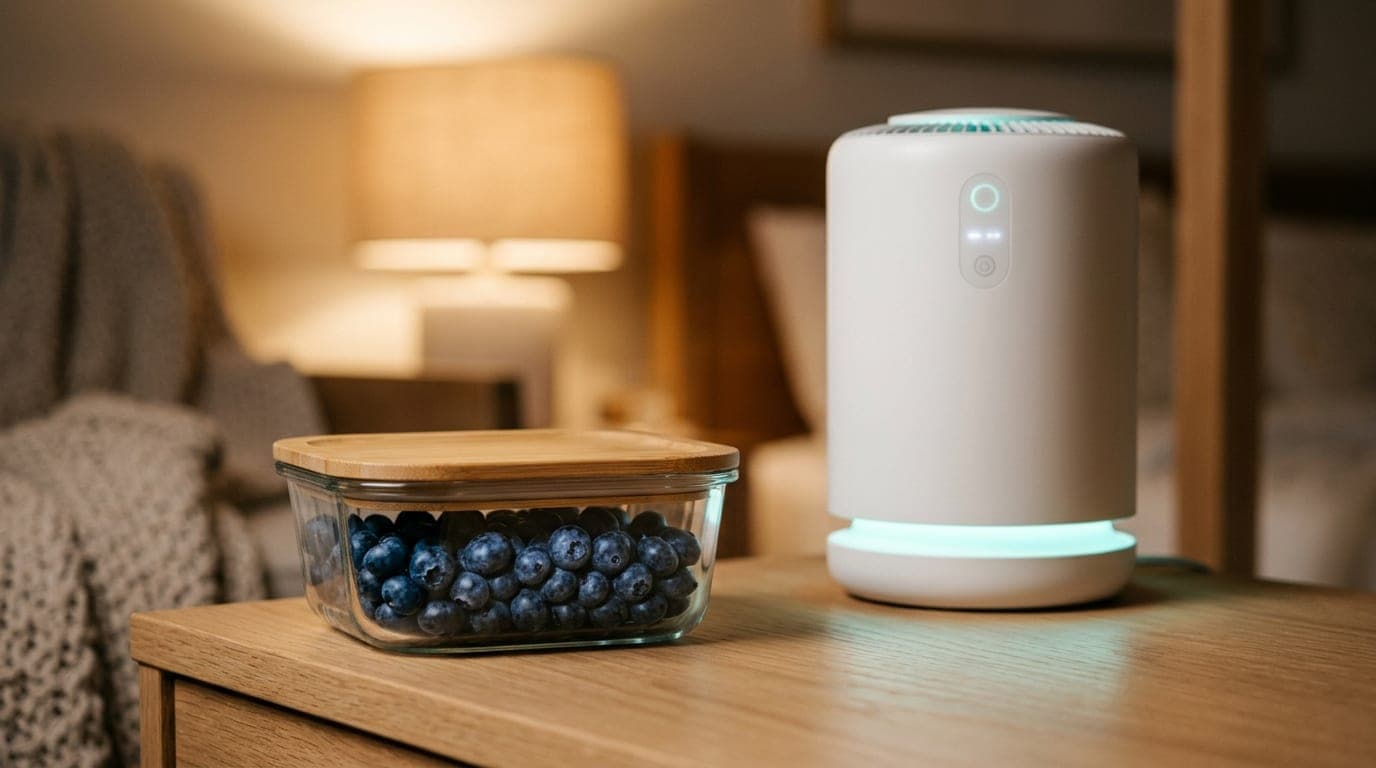
Invest in HEPA Air Purifiers: High-Efficiency Particulate Air (HEPA) filters are capable of capturing 99.97% of particles that are 0.3 microns in diameter. Placing these units in high-traffic areas of the home, especially the bedroom where you spend 7-9 hours breathing, is a critical step in reducing your toxic load.
Enhance Indoor Ventilation Wisely: While fresh air is usually good, on high-pollution days, keep windows closed. Use the "recirculate" setting in your car when driving in heavy traffic to prevent exhaust fumes from entering the cabin. Ensure your HVAC system is fitted with a MERV 13 filter or higher.
Reduce Indoor Pollutant Sources: The-impact-of-air-quality-on-reproductive-health isn't just about outdoor smog. Avoid burning candles, incense, or using gas stoves without proper ventilation. These sources release VOCs (volatile organic compounds) and nitrogen dioxide directly into your living space, which can exacerbate hormonal disruptions.
Additionally, maintaining a diet rich in antioxidants may help counteract some of the oxidative stress caused by inevitable pollutant exposure. Vitamins C and E, along with selenium and zinc, support cellular defense mechanisms. While supplements cannot "erase" the effects of poor air quality, they provide the body with the raw materials needed to repair DNA damage in sperm and egg cells. This holistic approach ensures that while you work to clean your environment, you are also fortifying your biological resilience.
Comparing Environmental Mitigation Strategies for the-impact-of-air-quality-on-reproductive-health
When looking to minimize the-impact-of-air-quality-on-reproductive-health, different interventions offer varying levels of protection against specific pollutants. While a HEPA filter is excellent for particulate matter, it may not be as effective against gaseous pollutants like ozone or nitrogen dioxide unless it also includes an activated carbon stage, making it essential to choose the right technology for your specific environment.
Option
Effectiveness
Considerations
HEPA Air Purifiers
High for PM2.5 and PM10
Most effective for removing physical dust and smoke; requires regular filter changes every 6-12 months.
Activated Carbon Filters
High for VOCs and Gases
Essential for neutralizing odors and chemical vapors like NO2; often combined with HEPA filters in premium units.
N95 or KF94 Masks
High for Personal Protection
Best for commuting in high-traffic areas or during wildfire events; must be fitted properly to ensure a seal.
Indoor Plants
Low to Moderate
While they can remove some toxins, you would need a "jungle" of plants to match the CADR (Clean Air Delivery Rate) of a mechanical filter.
Choosing the right strategy depends on your primary exposure risk. For instance, if you live in a city with heavy traffic, a combination of HEPA and activated carbon is the gold standard for mitigating the-impact-of-air-quality-on-reproductive-health. If your goal is to protect a pregnancy during wildfire season, an N95 mask for outdoor activities becomes an indispensable tool for preventing the inhalation of concentrated smoke particles that are known to trigger systemic inflammation.
When to See a Doctor
If you have been exposed to high levels of environmental pollutants and are experiencing difficulty conceiving after 12 months (or 6 months if over age 35), it is time to consult a reproductive endocrinologist regarding the-impact-of-air-quality-on-reproductive-health. A physician can order specific tests, such as a semen analysis or an AMH blood test, to determine if environmental factors have impacted your fertility markers and suggest targeted interventions or lifestyle adjustments.
Furthermore, if you are currently pregnant and live in an area with frequent air quality alerts, you should discuss your exposure with your OB-GYN. They may recommend more frequent monitoring of fetal growth or blood pressure, as poor air quality is a known risk factor for preeclampsia and intrauterine growth restriction (IUGR). Do not wait for symptoms to appear; proactive communication with your healthcare provider is key when environmental risks are present.
Clinical signs that warrant a discussion include sudden changes in menstrual regularity, persistent respiratory irritation that coincides with your cycle, or a history of multiple early pregnancy losses without a known genetic cause. Modern fertility clinics are increasingly aware of the-impact-of-air-quality-on-reproductive-health and can incorporate environmental history into your diagnostic workup, ensuring a more comprehensive approach to your care.
Where to Get Tested or Get Help
Seeking help for the-impact-of-air-quality-on-reproductive-health involves both medical testing and environmental assessment of your living and working spaces. Organizations like Planned Parenthood provide affordable fertility screenings, while private clinics can offer advanced testing for oxidative stress markers and sperm DNA fragmentation, which are often the first biological indicators that air quality is affecting your reproductive capacity.
For environmental help, many local health departments offer air quality monitoring programs and can provide resources on how to improve indoor air in your community. You can also consult with a certified industrial hygienist if you suspect your home or workplace has high levels of specific pollutants like lead dust or industrial chemicals. These professionals can provide a "health check" for your building, which is just as important as a health check for your body when addressing the-impact-of-air-quality-on-reproductive-health.
Lastly, support groups for those dealing with infertility or pregnancy loss can be invaluable. These communities often share resources on "clean living" and environmental advocacy, helping you navigate the emotional and physical challenges of reproductive health in the modern world. Whether you are using Bumble to find a partner to start a family with or are already in the process of fertility treatments, staying informed and supported is your best defense against environmental stressors.
Sources
The information regarding the-impact-of-air-quality-on-reproductive-health provided in this article is based on the most current data from leading global and national health organizations. These sources include the World Health Organization, the Centers for Disease Control and Prevention, and Planned Parenthood, ensuring that the statistics and clinical recommendations meet the highest standards of medical accuracy as of August 2026.
World Health Organization (WHO). (2024). "Air Pollution and Child Health: Prescribing Clean Air."
Centers for Disease Control and Prevention (CDC). (2023). "Infertility and Environmental Exposures."
Planned Parenthood. (2025). "Environmental Factors and Pregnancy Health."
Environmental Protection Agency (EPA). (2026). "The Air Quality Index (AQI): A Guide to Air Quality and Your Health."