The Vulnerability Hangover: Navigating Connection and Attachment-in-the-Age-of-Digital-Oversharing
PillowTalk Daily Editorial9 min read
Sponsored Content
Sponsored Content
Frequently Asked Questions
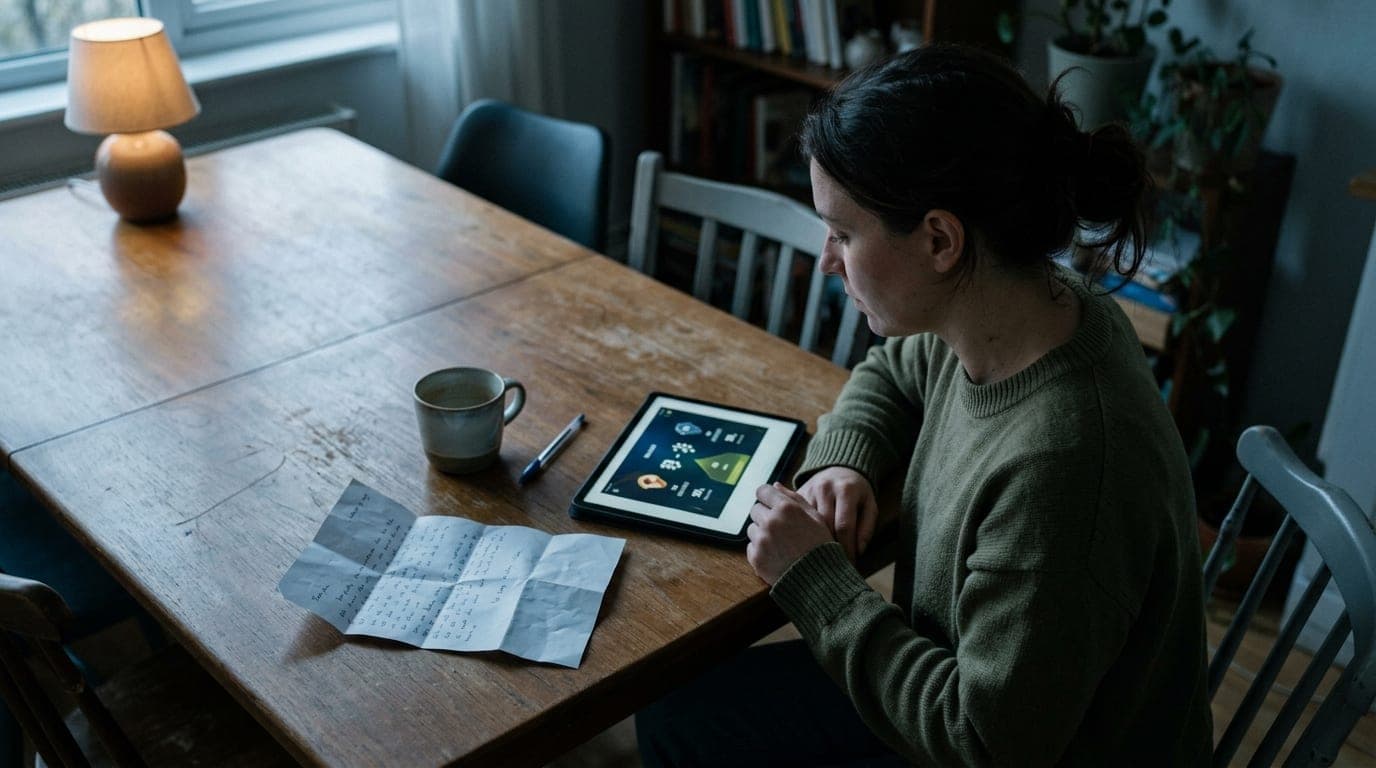
A vulnerability hangover is the feeling of regret, shame, or anxiety that follows sharing too much personal information too quickly. In the context of attachment-in-the-age-of-digital-oversharing, this often happens after a 'trauma dump' or a high-intensity digital exchange that leaves you feeling exposed and fearful of rejection when the 'high' of the disclosure wears off.
The key differentiator is consent and pacing. Openness is sharing relevant information as a relationship naturally deepens. Oversharing is providing intense personal details—often regarding past trauma or deep insecurities—to someone who hasn't yet earned that level of trust. If you feel a 'need' to share to secure someone's interest, it's likely oversharing fueled by anxious attachment.
Yes. Soft-launching (posting subtle hints of a partner without showing their face) can trigger anxious attachment by focusing on public validation rather than private security. For avoidant individuals, it can be a way to 'perform' commitment without actually being fully present. In the era of attachment-in-the-age-of-digital-oversharing, it often prioritizes the 'image' of the relationship over the actual bond.
Set Adrift is a framework (often used in the context of dating card games or intentional communication apps) that encourages structured, values-based questions. It helps navigate attachment-in-the-age-of-digital-oversharing by moving away from aimless 'small talk' and toward meaningful discovery that builds a foundation of respect and compatibility without resorting to premature emotional intensity or trauma dumping.
While you can build a strong emotional rapport online, secure attachment usually requires physical presence and shared real-world experiences. Digital communication lacks non-verbal cues like touch, scent, and consistent physical presence, which are biological foundations for bonding. Relying solely on digital oversharing can lead to 'false intimacy,' where you feel deeply connected to a projection rather than the actual person.
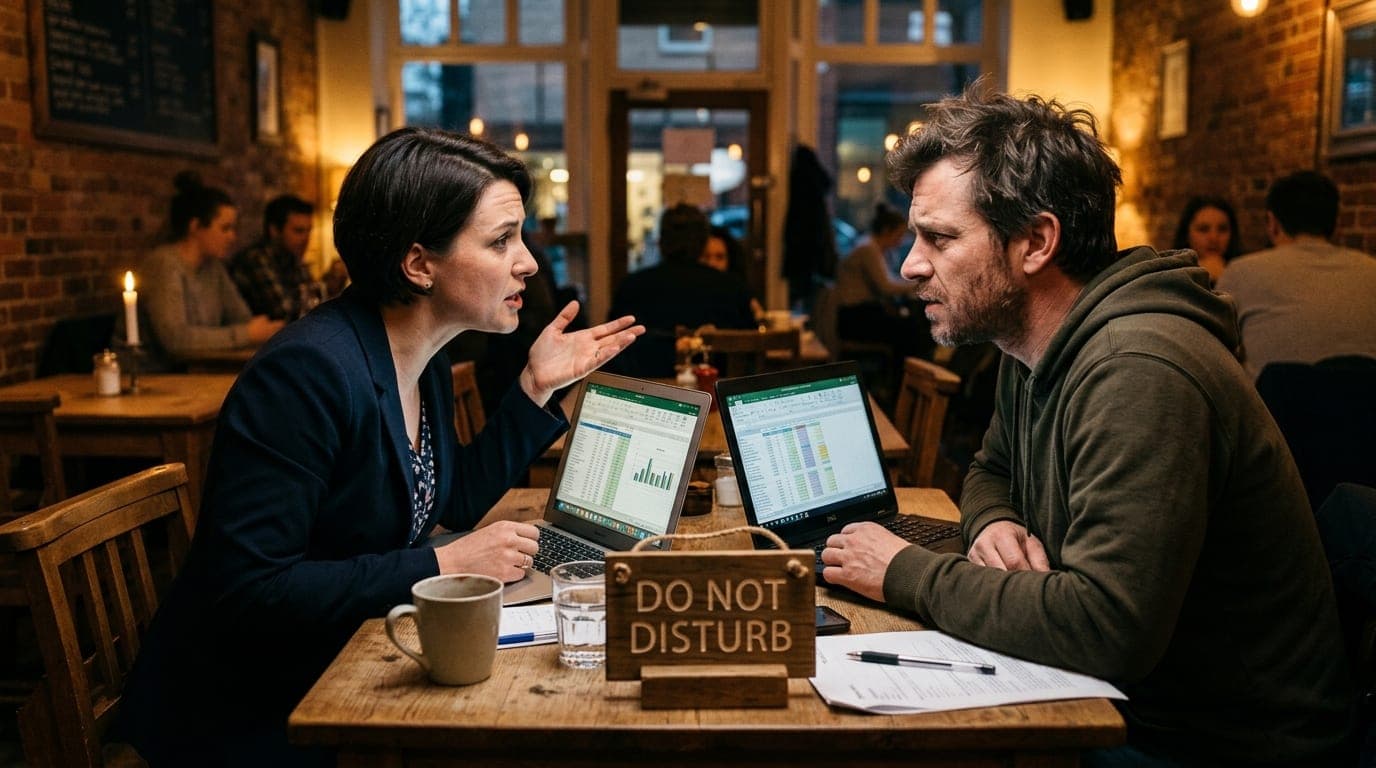
As of August 2026, the landscape of human connection has shifted from a slow-burn discovery to a high-speed data dump. We are living in a time where your first date already knows your favorite childhood cereal, your last three breakups, and your stance on geopolitical issues before the first drink even arrives. This era of attachment-in-the-age-of-digital-oversharing has rewritten the rules of how we bond, often substituting actual intimacy for the illusion of it. We’ve traded the mystery of the "getting to know you" phase for an algorithmic efficiency that feels productive but often leaves us feeling hollow and strangely disconnected.
The reality is that while technology like Hinge, Bumble, and Match.com has made finding a partner easier, it has made the psychological process of attachment significantly more complex. We are bombarded with "vulnerability" as a brand, where oversharing is mistaken for depth. If you’ve ever felt a "vulnerability hangover"—that sinking feeling of regret after sharing too much too soon—you aren’t alone. We’re navigating a world where our digital footprints are blueprints for our baggage, and learning how to build a secure attachment in this environment requires more than just a good bio; it requires a radical return to intentionality.
Sponsored Content
Understanding the Mechanics of Attachment-in-the-Age-of-Digital-Oversharing
Modern attachment-in-the-age-of-digital-oversharing is defined by the tension between instant digital access and the slow psychological process of building trust. When we overshare online or in early dating stages, we often bypass the essential "vetting" phase of intimacy, leading to premature emotional intensity that frequently collapses under the weight of real-life expectations.
To understand why we do this, we have to look at the three primary attachment styles—Secure, Anxious, and Avoidant—and how they have been weaponized by the digital world. For those with an anxious attachment style, the "oversharing" aspect of attachment-in-the-age-of-digital-oversharing serves as a tool for reassurance-seeking. If they tell you everything about their trauma or their fears on day one, and you stay, they feel a fleeting sense of safety. However, this safety is a mirage. According to research, 46% of U.S. adults feel that people overshare their personal lives on social media, often leading to a "push-pull" dynamic where the recipient feels overwhelmed and retreats (Pew Research, 2023).
Conversely, avoidant individuals may use digital oversharing as a "smoke and mirrors" tactic. By sharing curated, high-intensity snippets of their lives, they create a facade of intimacy while keeping their true, vulnerable self hidden behind a screen. This leads to a phenomenon many call "the talking stage" plateau. You might spend weeks in a high-intensity text thread, sharing memes and deep thoughts, only to find that when you meet in person, the chemistry is absent. This is where tools like Set Adrift become valuable during the talking stage. Set Adrift and similar intentional dating frameworks encourage users to move away from mindless scrolling and toward structured, meaningful discovery that doesn't rely on trauma-dumping but on values-based alignment.
The danger of attachment-in-the-age-of-digital-oversharing is that it rewards the *performance* of vulnerability rather than the *practice* of it. Real vulnerability is risky; it happens in real-time, often in person, and involves the possibility of immediate rejection. Digital oversharing, by contrast, is a broadcast. It’s a one-to-many communication style that lacks the feedback loop necessary for true emotional bonding. When we mistake a high "like" count or a flurry of "I feel so seen" comments for actual support, we weaken our ability to form deep, one-on-one attachments that can withstand the boredom and friction of daily life.
The Illusion of Intimacy and the Rise of 'Trauma Dumping'
In the context of attachment-in-the-age-of-digital-oversharing, trauma dumping occurs when one person offloads intense personal struggles onto another without consent or established trust. This behavior often creates a "false bond" that mimics closeness but actually serves as a defense mechanism to avoid the slower, more terrifying process of genuine mutual disclosure.
We see this most frequently on platforms like TikTok and Instagram, where "healing journeys" are monetized and turned into content. While destigmatizing mental health is objectively good, the byproduct has been a culture where "lead with your trauma" has become a dating strategy. In a study of modern dating habits, 70% of Gen Z users reported that they find it important to be "emotionally vulnerable" early in a relationship (Hinge, 2024). However, there is a fine line between being an open book and being a floodgate.
When you engage in attachment-in-the-age-of-digital-oversharing by revealing your deepest wounds to a stranger on eHarmony or Bumble within the first hour, you aren't actually being vulnerable—you're testing them. You are throwing a heavy weight at them to see if they can catch it. If they can’t, you might label them as "emotionally unavailable," when in reality, you may have just violated a boundary they weren't prepared to hold. True intimacy is a ladder; you share a little, they share a little, and you both climb together. Digital oversharing skips the ladder and tries to take an elevator to the penthouse, often resulting in a crash.
Furthermore, the digital age has introduced "perceived availability." Because we see our partner’s (or crush’s) location, their active status, and their social posts, we feel we have a right to their constant attention. This wreaks havoc on attachment-in-the-age-of-digital-oversharing. An anxiously attached person sees a partner "active" on Instagram but not replying to their text and spirals into a narrative of abandonment. An avoidant person feels the "surveillance" of digital life and pulls away even harder. This cycle is exacerbated by the oversharing of others—we see "perfect" couples on our feed and compare our messy, silent text threads to their curated highlight reels, further destabilizing our sense of secure attachment.
Practical Strategies for Establishing Healthy Boundaries Online
Developing a healthy approach to attachment-in-the-age-of-digital-oversharing requires reclaiming the "slow burn" by setting intentional limits on what, when, and how much you share digitally. By prioritizing high-quality, in-person interactions over low-stakes digital chatter, you allow a natural foundation of trust to form, which is the only sustainable basis for long-term secure attachment.
Navigating the digital dating world doesn't mean you have to be a hermit. It means you have to be the gatekeeper of your own story. If you're using apps like Match.com or Hinge, remember that your profile is an invitation, not a memoir. You don't owe anyone the details of your past until they've earned the right to hear them through consistent, respectful behavior. Here are four tactics to help you manage your attachment-in-the-age-of-digital-oversharing:
**The 48-Hour Disclosure Rule:** If you feel an overwhelming urge to share a deeply personal or traumatic story with someone you just met online, wait 48 hours. Often, the urge to "confess" is a sign of high anxiety or a desire to fast-track intimacy. If you still feel it’s relevant after two days, share it in person rather than via text.
**Audit Your Social Media Consumption:** Recognize that what people "share" is a performance. If following a "perfect" couple or a "vulnerability influencer" makes you feel insecure about your own attachment style, mute them. Your brain cannot distinguish between the digital representation of a relationship and the reality of one.
**Use the 'Set Adrift' Method for Conversations:** Instead of endless, aimless texting, use a structured approach to getting to know someone. Ask specific questions about values and future goals, but leave the heavy emotional processing for face-to-face meetings. This prevents the "digital phantom" effect where you fall in love with a version of someone that doesn't exist.
**Implement 'Digital-Free' Dates:** In the early stages of dating, keep phones off the table. This forces you to engage with the person in front of you without the safety net of oversharing or the distraction of notifications. It allows you to practice the "physical" side of attachment—eye contact, body language, and silence.
By applying these tactics, you transition from a passive participant in the "oversharing economy" to an active architect of your own relationships. You begin to value the *quality* of the information you share rather than the *quantity*. This shift is essential for anyone looking to find a marriage-minded partner or a long-term relationship in an era that frequently prioritizes the quick hit of dopamine over the slow build of devotion.
Comparing Digital Intimacy Patterns: Healthy vs. Unhealthy
Distinguishing between healthy transparency and toxic oversharing is the key to mastering attachment-in-the-age-of-digital-oversharing in the modern era. While both may involve sharing personal details, the intention behind the share—and the timing of it—determines whether it strengthens the bond or creates an unsustainable emotional spike that eventually leads to burnout.
Pattern
Healthy Version (Secure)
Red Flag Version (Oversharing)
**Disclosure Speed**
Information is shared gradually as trust is earned over weeks or months.
Deep personal trauma or "life stories" are shared within the first few hours/days.
**Communication Frequency**
Consistent but allows for "offline" time; respects the other person's schedule.
Constant, 24/7 texting that creates a false sense of "always-on" intimacy.
**Social Media Presence**
The relationship exists primarily in person; social posts are an occasional byproduct.
The relationship is "performed" for an audience; frequent "soft-launching" and validation-seeking.
**Vulnerability**
Sharing feelings that are relevant to the *current* situation or relationship growth.
Using past pain as a way to elicit sympathy or to "test" the partner's loyalty.
As the table illustrates, the core difference lies in the *purpose* of the communication. In healthy attachment-in-the-age-of-digital-oversharing, digital tools are used to facilitate real-world meetings. In the "red flag" version, the digital world *is* the relationship. If you find that your connection feels "magical" on screen but "awkward" or "stilted" in person, you are likely experiencing the pitfalls of digital oversharing. The screen acts as a filter that removes the "messiness" of human interaction, making it easy to fall for a projection rather than a person.
When to Walk Away: Recognizing the Limits of Digital Connection
Knowing when to walk away from a connection defined by attachment-in-the-age-of-digital-oversharing requires looking past the "digital noise" to assess the actual substance of the relationship. If the high-intensity sharing doesn't translate into reliable action, emotional safety, or shared physical space, the relationship is likely a digital fantasy rather than a functional partnership.
If you find yourself in a cycle where you are someone’s "digital therapist" but they aren't available for a Saturday afternoon coffee, it's time to reevaluate. Attachment-in-the-age-of-digital-oversharing often creates "situationships" that are emotionally exhausting but practically non-existent. You might feel "attached" to the person because you know their deepest secrets, but if they cannot show up for the mundane parts of life—being there when you're sick, showing up on time for dates, or respecting your boundaries—the "depth" you feel is an illusion.
The hardest part of dating in 2026 is realizing that transparency is not the same as intimacy. You can be 100% transparent and still be 0% intimate. Intimacy requires the presence of another person who is truly *seeing* you, not just reading your data. If you feel that your "oversharing" is a way to fill the silence because you’re afraid of what’s actually there (or not there), take a step back.
"The most radical act of intimacy in a world that demands you show everything is choosing what to keep for yourself. True connection isn't found in how much you broadcast, but in how much you are willing to build in the quiet, unshared spaces between two people."
Ultimately, attachment-in-the-age-of-digital-oversharing is a tool, not a destination. Use it to find people, use it to coordinate, and use it to stay in touch—but don't let it replace the terrifying, beautiful, and slow process of actually getting to know someone. The most successful relationships of the future won't be the ones with the best Instagram grids or the most vulnerable tweets; they will be the ones where both people felt safe enough to put their phones down and just *be* with each other. Whether you're on Match, Bumble, or meet someone the old-fashioned way, remember: the goal isn't to be known by everyone, but to be truly understood by one.