Do You Really Need to Have Your Life Together Before Dating Again?
PillowTalk Daily Editorial9 min read
Sponsored Content
Sponsored Content
Frequently Asked Questions
Keep it simple, brief, and forward-looking. State what you used to do, what you are currently working toward, and what excites you about the transition. Avoid getting defensive or over-explaining; confidence comes from owning your pivot as a deliberate choice.
It is only unfair if you deceive them, expect them to support you financially, or allow financial stress to dictate your mood and treatment of them. Be upfront about preferring low-cost dates and focus on building genuine, non-material connections.
Healthy vulnerability is sharing past experiences you have processed, focusing on what you learned. Trauma dumping is unspooling intense unresolved pain onto someone new without their consent, often seeking immediate emotional validation or using them as a therapeutic substitute.
There is no universal timeline. You are ready when you stop comparing new dates to your ex, no longer seek a relationship purely to heal your wounds, and possess emotional surplus energy to invest in getting to know another person as they are.
Anxiety often stems from over-indexing on outcome and seeking approval. Shift your focus from 'Do they like me?' to 'Do I enjoy their company?' Choose low-pressure environments and remind yourself that dating is an exploratory process, not an audition.
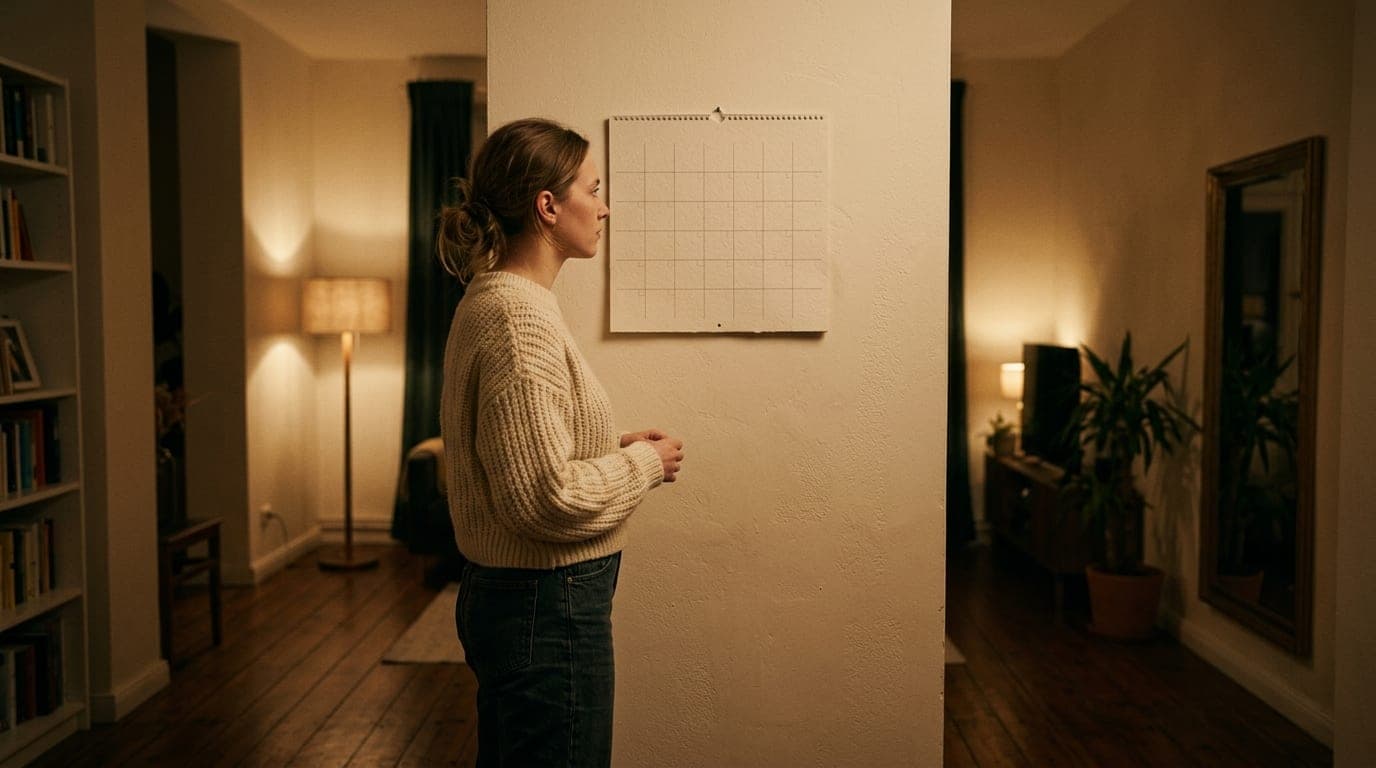
As of August 2026, modern dating culture has convinced millions of people that they must present as fully polished, financially bulletproof, emotionally immune human beings before opening a dating app. We treat our romantic lives like corporate initial public offerings, constantly delaying launch until our personal revenue models, physical fitness, or therapist-approved breakthroughs are totally optimized. But waiting until you have every single detail sorted before putting yourself back out there isn't wisdom; it's self-preservation disguised as high standards.
The impulse to delay dating until you reach some mythical baseline of personal perfection usually stems from fear. Fear of judgment, fear of rejection, and fear that exposing your unfinished edges will make you unlovable. The truth is that life is perpetually messy, unpredictable, and in flux. If the condition for loving and being loved is absolute stability, almost no one would ever qualify for a relationship. The real question isn't whether your life is neatly organized in a binder, but whether you possess the internal maturity to invite someone into the room while you're still arranging the furniture.
Sponsored Content
The Myth of Perfect Stability: Why Waiting to Have Your Life Together Before Dating Again Backfires
You do not need to solve every personal, career, or financial challenge before dating again because human growth happens in relational contexts, not isolation. Waiting for complete stability creates an unreachable standard that breeds perfectionism, lonely avoidance, and realistic paralysis, cutting you off from authentic connection.
The cultural script dictates that you must secure the promotion, hit your target savings account balance, clear your skin, and process every childhood grievance before you dare swipe right. Yet, when you look around at the couples who actually sustain long-term partnerships, few of them met when both partners were at the absolute apex of their lives. Most people meet in the middle of the scramble—during career transitions, while renting uncomfortable apartments, or during periods of profound personal reassessment.
The idea that you must be a "finished product" misunderstands what romantic compatibility actually is. Relationships are not built on matching achievements; they are built on matching values, emotional capacity, and communication styles. When you hold off on dating until you have "arrived," you inadvertently fall into the trap of conditional self-worth. You tell yourself that you are only worthy of intimacy once you hit a certain benchmark.
Statistical trends highlight how pervasive this hesitance has become. A study on single adults revealed that 53% of respondents had deliberately postponed dating because they felt financially or professionally unprepared (Match.com, 2022). Furthermore, broader demographic data indicates that 68% of single adults feel overwhelming pressure to achieve personal milestones before putting themselves on the dating market (Pew Research, 2023). This hyper-fixation on external benchmarks leads to prolonged isolation, making the eventual return to dating feel even more high-stakes and terrifying than it actually is.
When you isolate yourself until you feel "ready," you miss out on learning how to navigate real-world stress while in a relationship. Dating is a muscle. Relational skills like conflict resolution, boundary setting, and compromise cannot be practiced alone in your living room while reading self-help literature. They are forged in real-world interactions with real human beings. By waiting for ideal circumstances, you run the risk of becoming so set in your solo ways that integrating another person into your life becomes unnecessarily jarring down the road.
Emotional Availability vs. Circumstantial Messiness: Decoupling Life Status from Relationship Readiness
Emotional readiness concerns your capacity to communicate clearly, manage your internal states, and hold space for another person, whereas circumstantial mess involves external variables like career pivots or temporary living arrangements. You can be in a financial or logistical transition while remaining exceptionally well-equipped for an honest, loving relationship.
To understand whether you are truly ready to date, you must separate your external circumstances from your internal character. External circumstances—your income, your current job title, whether you are living with roommates, or if you are still figuring out your five-year plan—are context. Internal character—your honesty, self-awareness, integrity, and ability to listen—is capability.
A person can be a millionaire with a pristine apartment, a personal trainer, and a ten-year career trajectory, yet remain entirely toxic, defensive, and emotionally unavailable. Conversely, someone navigating a mid-career layoff or working through a quiet divorce recovery might possess extraordinary emotional intelligence, patience, and vulnerability. The former person has their logistics together; the latter has their heart and head together.
When evaluating your own readiness, ask yourself hard questions about your internal capacity rather than your external resume:
* Can I hear feedback without immediately spiraling or shifting into passive-aggressive defensiveness?
* Do I have enough surplus emotional bandwidth to genuinely care about someone else's day, problems, and dreams?
* Am I looking for a companion to share life with, or an escape hatch from my current uncomfortable realities?
During the early stages of getting to know someone—often called the talking stage—clear communication about your life state is essential. Without transparency, text-heavy interactions can drift endlessly without direction. When modern daters don't clarify their actual capacity early on, potential partners often get Set Adrift in mixed signals, left wondering why plans fall through or communication feels sporadic. Whether you meet through mutual friends or on apps like Hinge, Bumble, or eHarmony, being upfront about where you are in life filters out people who are looking for a lifestyle accessory while drawing in those who value real substance.
Being circumstantially messy simply means you are human and living in a volatile economy. Being emotionally messy means you project your unexamined insecurities onto others, expect new dates to fix your self-esteem, or lash out when triggered. You can date with a messy life, but you cannot date healthily with an unexamined mind.
Navigating the Dating World in Transition: Four Actionable Tactics for Honest Connection
Navigating dating during a personal transition requires radical self-honesty, setting realistic boundary constraints, choosing low-stakes environments, and clearly communicating your current lifestyle parameters early on. Rather than masking your flaws, owning your current chapter attracts partners who value resilience and authentic self-awareness over curated perfection.
If you decide to enter the dating world while your life is in transition, you need a pragmatic strategy. Pretending to have it all together when you don't creates immense internal pressure and sets you up for performative, exhausting dates. On the flip side, over-sharing every tragic detail of your life on date one creates an unhelpful aura of chaos.
Here is how to navigate this balance with composure and self-respect:
Own Your Narrative Without Apology or Shame: Frame your current situation clearly and succinctly without groveling or making excuses. If you are living with family while transitioning careers, say: "I’m staying with my parents for a few months while I pivot into software engineering, which has given me great focus." Frame your reality around agency and choice, not failure.
Choose Low-Stakes, Low-Cost First Dates: If money is tight or your time is consumed by a career pivot, avoid expensive dinners that strain your resources and elevate date expectations. Opt for coffee, walking dates in public parks, or visiting a free art gallery. This removes financial tension and shifts the spotlight entirely to conversational chemistry.
Audit Your Emotional Bandwidth Weekly: Be ruthless about how much mental energy you have. If you are working 60-hour weeks or undergoing intense personal grieving, trying to schedule three dates a week will lead to burnout. Limit your dating output to a pace you can genuinely sustain without sacrificing your sleep, mental health, or existing obligations.
Establish Explicit Boundaries Around Emotional Dumping: Sharing your life context is healthy; turning a second date into a trauma-dumping session is not. Keep early conversations focused on mutual curiosity, shared humor, and underlying values. Save the deep, granular details of your past struggles for when trust and mutual commitment have been established over time.
Applying these tactics prevents you from overextending yourself. It also respects the time and emotional investment of the people you meet. When you lead with self-awareness, you give the other person permission to drop their own armor, creating a solid foundation for genuine connection.
Healthy Vulnerability versus Red Flags: Identifying the Patterns When Dating in Transition
Distinguishing healthy vulnerability from red flag behavior comes down to personal accountability and emotional regulation during life transitions. A healthy dater owns their situation and seeks co-creation, while an unready dater blames external circumstances, uses new partners as emotional caretakers, or projects past trauma onto new relationships.
When you date while rebuilding your life, you will inevitably encounter others who are doing the exact same thing. It is crucial to distinguish between someone who is actively navigating a tough chapter with grace and someone whose life is a perpetual storm of self-inflicted chaos.
Healthy daters take full responsibility for their circumstances. They do not expect a new partner to fund their lifestyle, rescue them from bad decisions, or validate their worth. Unready daters, by contrast, tend to outsource their stability onto whoever is willing to listen, creating an uneven dynamic right out of the gate.
The table below breaks down the clear differences between a healthy approach to dating during life transitions and the red flag patterns that signal someone should pull back from the dating pool:
Pattern Area
Healthy Version (Dating in Transition)
Red Flag Version (Unready to Date)
Financial Instability
Suggests budget-friendly dates; speaks candidly about spending constraints without shame or complaining.
Expects the other person to foot the bill; relies on dates for lavish experiences; hides debt or instability.
Career / Life Transition
Has a realistic plan or direction; focuses on personal growth; demonstrates discipline and purpose.
Blames previous employers or bad luck; exhibits chronic aimlessness; expects partner to handle basic responsibilities.
Past Relationship Baggage
Acknowledges past mistakes; speaks objectively about exes; demonstrates clear boundary management.
Vents endlessly about an ex; compares new dates to past partners; seeks a rebound to numb old pain.
Time & Availability
Communicates availability clearly; protects their rest; shows up fully present when on a date.
Cancels frequently at the last minute; sends sporadic texts then vanishes; blames a "crazy life" for poor manners.
Emotional Regulation
Can process disappointment calmly; manages stress independently; seeks constructive conversation.
Requires constant reassurance; projects anxiety onto the partner; shifts mood rapidly based on small interactions.
Studying these patterns helps you evaluate not only the people you are meeting on platforms like Match or Hinge, but also your own conduct. If you find yourself slipping into the red flag column, it is a clear cue to adjust your approach or slow your pace down.
When You Should Actually Pause: Clear Signs You Aren't Ready to Date Again
You should actively pause dating when your current life stress impairs your ability to regulate emotions, respect a partner's boundaries, or offer basic empathy. If you are seeking a partner strictly to escape loneliness, solve your financial woes, or distract from unaddressed trauma, taking time for self-restoration is necessary.
While you don't need a perfect life to date, you do need a functional baseline of personal stability. There is no shame in taking yourself off the market when your current load is simply too heavy to carry while trying to build a connection with someone else.
Recognizing that you need a temporary pause isn't a defeat; it is an act of high self-respect and basic decency toward others. If every text message feels like an overwhelming chore, if you find yourself feeling bitter about other people's happiness, or if you are using dates strictly as a hit of dopamine to escape a difficult reality, step back.
Dating isn't a hospital for broken spirits or a distraction mechanism for an unexamined life; it is a shared space between two people who can each stand on their own feet, even if those feet are currently standing on shaky ground.
Taking a break from dating for three, six, or twelve months to focus on your mental health, career reset, or personal healing is often the fastest route to actually finding a healthy partner later. When you step away from the swipe apps voluntarily, you regain control over your energy. You stop treating human connection as a metric of self-validation and begin viewing it as something to be entered into freely, from a place of personal wholeness.
When you do choose to return, you'll do so not because you have erased every problem in your life, but because you know who you are in the middle of them. That level of self-assurance is far more attractive than a polished social media grid or an flawless resume ever could be.