The Art of Loving Being Single: How to Reclaim Your Autonomy Without Feeling Left Behind
PillowTalk Daily Editorial9 min read
Sponsored Content
Sponsored Content
Frequently Asked Questions
Focus on diversifying your social network by seeking out groups, hobbies, and communities centered on shared interests rather than life stages. Simultaneously, communicate honestly with your married friends about organizing intentional, low-stress hangouts that respect their schedules while keeping your connection alive.
Yes, completely. Humans are biologically wired for connection and touch. Wanting physical intimacy does not mean you are bad at being single or secretly desperate for a relationship. You can honor this need through bodywork like massages, self-touch, or clear, communicative consensual arrangements without forfeiting your single autonomy.
Set firm, gentle boundaries early. Prepare a brief, non-defensive script like: 'I'm really prioritizing my career, peace, and personal goals right now, and I'm super happy with where life is.' If they persist, redirect the conversation to their lives or change the topic entirely.
Not necessarily. Enjoying your solo life means you have high self-esteem and refuse to settle for subpar relationships. It only becomes avoidant if your singlehood is maintained through hyper-independence, contempt for potential partners, or an intense fear of vulnerability and emotional connection.
You are ready when you view dating as an exciting luxury rather than a urgent necessity. You should feel comfortable holding your boundaries, walking away from poor treatment, and returning to your solo life without feeling crushed if a potential match doesn't work out.
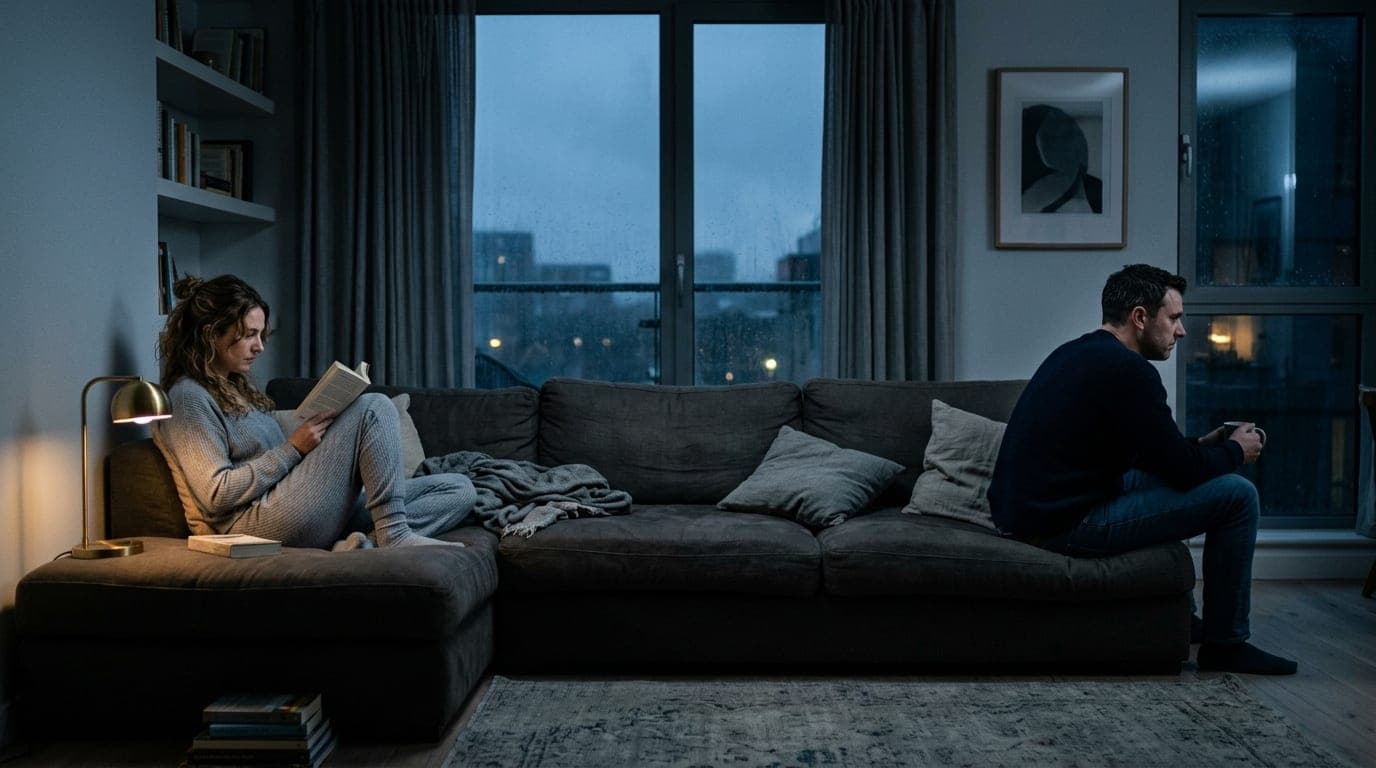
As of August 2026, the cultural narrative surrounding being single is undergoing a massive, long-overdue rewrite. For decades, self-help culture treated singlehood as a temporary waiting room—a purgatory where you worked on yourself just long enough to be handed a partner as a grand prize. If you were single past a certain age, people assumed you were either tragically unchosen or secretly broken.
Let’s be direct: that framework is completely dead. Modern singlehood isn't a holding cell, and you aren't half of a person waiting to be completed by a Hinge match who texts back every three days.
At PillowTalk Daily, we talk to thousands of readers who are tired of the exhaustion that comes with modern dating culture. They are fatigued by endless talking stages, ghosting, and the performative pressure to turn life into a two-person project. Learning the art of loving being single is not a sour-grapes reaction to bad dates. It is an active, strategic choice to reclaim your time, your identity, and your emotional nervous system. Whether you are single by choice, single by circumstance, or recovering from a long-term breakup, learning how to thrive alone is the single most valuable relational skill you will ever master.
Sponsored Content
Unpacking the Art of Loving Being Single: Why Solitude Is Not Solitary Confinement
The art of loving being single centers on shifting from emotional scarcity to self-determined abundance. It means framing your time as an asset rather than a void, creating deep personal security that prevents you from settling for low-effort relationships just to fill a quiet living room.
To understand why so many people struggle with being alone, you have to look at how deeply we have been conditioned to fear solitude. From childhood fairy tales to romantic comedies, society trains us to view a solo life as an incomplete sentence. When you sit alone at a restaurant or book a solo vacation, there is often a lingering, phantom anxiety that everyone else in the room is pitying you.
The data tells a completely different story. Being single is no longer an anomaly; it is the statistical norm for vast portions of the global population. In fact, 30% of U.S. adults are single, and among adults under 30, that figure rises to nearly 47% (Pew Research Center, 2020). Despite this shift, social infrastructure—from housing prices to tax structures and social calendars—is still built around couples. This creates a subtle, persistent friction that makes single people feel like they are paying a penalty for existing independently.
When you practice the art of loving being single, you stop internalizing this friction as a personal failure. Solitude ceases to feel like solitary confinement and begins to feel like creative sovereignty. In a relationship, your schedule, living space, finances, and emotional real estate are constantly negotiated. When you are single, those decisions belong entirely to you. You eat when you are hungry, sleep diagonally across the bed, spend your money without consultation, and process your thoughts without having to manage someone else’s reactions.
The danger arises when people confuse isolation with peaceful solitude. Solitude is the rich, intentional presence of yourself; isolation is the painful absence of connection. Thriving while single requires you to build a life rich in community, purpose, and self-touch, ensuring that your solitude is a deliberate sanctuary rather than a default prison.
Deconstructing the Psychological Shift: How the Art of Loving Being Single Rewires Romantic Expectation
Mastering the art of loving being single alters your psychological baseline by transforming dating from an anxiety-driven job interview into a low-stakes exploration. When singlehood is genuinely enjoyable, you evaluate prospective partners based on added value and emotional safety rather than basic validation or fear of solitude.
When you are terrified of being alone, your standards drop to an all-time low. You overlook red flags, tolerate breadcrumbs, and stay in dead-end situationships long past their expiration date. Why? Because your brain views a mediocre or even toxic partnership as fundamentally safer than an empty calendar. You trade your peace of mind for the illusion of security.
When you master the art of loving being single, your entire relationship with risk changes. You operate from a baseline of self-sufficiency. This creates what psychologists call "secure attachment to self." When you know you can hold your own emotional weight, handle your own emergencies, and keep yourself entertained, you no longer approach dating apps like Tinder, Bumble, or eHarmony out of desperation.
Instead of asking, "Does this person like me?" you begin asking, "Is this person worthy of disrupting the peace I spent years building?"
This shift entirely changes how you handle early-stage dating and the infamous "talking stage." When you aren't desperately seeking a partner, you don't get trapped in low-effort loops or endless digital pen-pal setups like Set Adrift, where dynamic context-switching often leads to endless, unresolved conversations. You set clear boundaries early. If someone disappears for three days, you don't spiral or overanalyze their communication patterns; you simply recognize that their capacity doesn't match your life, and you return seamlessly to your peace.
```
DESPERATION-BASED DATING:
[Fear of Solitude] ──> [Tolerates Red Flags] ──> [Anxious Attachment] ──> [Burnout & Resentment]
ABUNDANCE-BASED DATING:
[Self-Sovereignty] ──> [High Standards] ──> [Low-Stakes Evaluation] ──> [Peaceful Partnership OR Solo Contentment]
```
Furthermore, enjoying your single life breaks the romanticized fantasy that a partner will fix your internal problems. A relationship will not cure your existential boredom, mend your low self-esteem, or organize your finances. In fact, getting into a relationship while feeling deeply unfulfilled usually amplifies those issues, adding another person’s baggage to your own. Loving being single forces you to fix your own roof before inviting someone else inside.
Practical Blueprint: Actionable Strategies to Master the Art of Loving Being Single
To practicalize the art of loving being single, you must proactively design your social infrastructure, daily routines, financial autonomy, and emotional self-soothing mechanics. This requires treating your solo life with the exact same intentionality, investment, and respect usually reserved for high-stakes romantic partnerships.
You cannot passively stumble into loving singlehood. It requires deliberate effort, tactical routines, and an absolute refusal to put your actual life on pause until a theoretical partner arrives. Here is how you construct a solo existence that feels expansive, luxurious, and grounded:
Build a "Chosen Family" Infrastructure: Relying on a single romantic partner for all your emotional, practical, and social needs is a modern design flaw that destroys both relationships and individuals. Build a robust network of friends, mentors, and community spaces. Establish recurring rituals—like weekly dinners with friends, book clubs, or co-working days—so your emotional cup is filled without needing a romantic connection.
Take Yourself on Non-Negotiable Solo Dates: Stop waiting for someone else to take you to the new museum exhibit, the high-end Italian spot, or that weekend cabin retreat. Go alone. Sitting with yourself in public spaces without burying your face in your phone builds profound emotional confidence. It teaches your nervous system that you are worthy of special experiences right now, exactly as you are.
Master Your Financial and Domestic Ecosystem: Fear of singlehood often stems from practical anxiety—how to manage bills, handle home repairs, or plan for retirement on one income. Take aggressive ownership of your life logistics. Build a emergency fund, learn basic DIY home maintenance, consult a financial planner, and create a domestic environment that feels curated and comforting, not temporary.
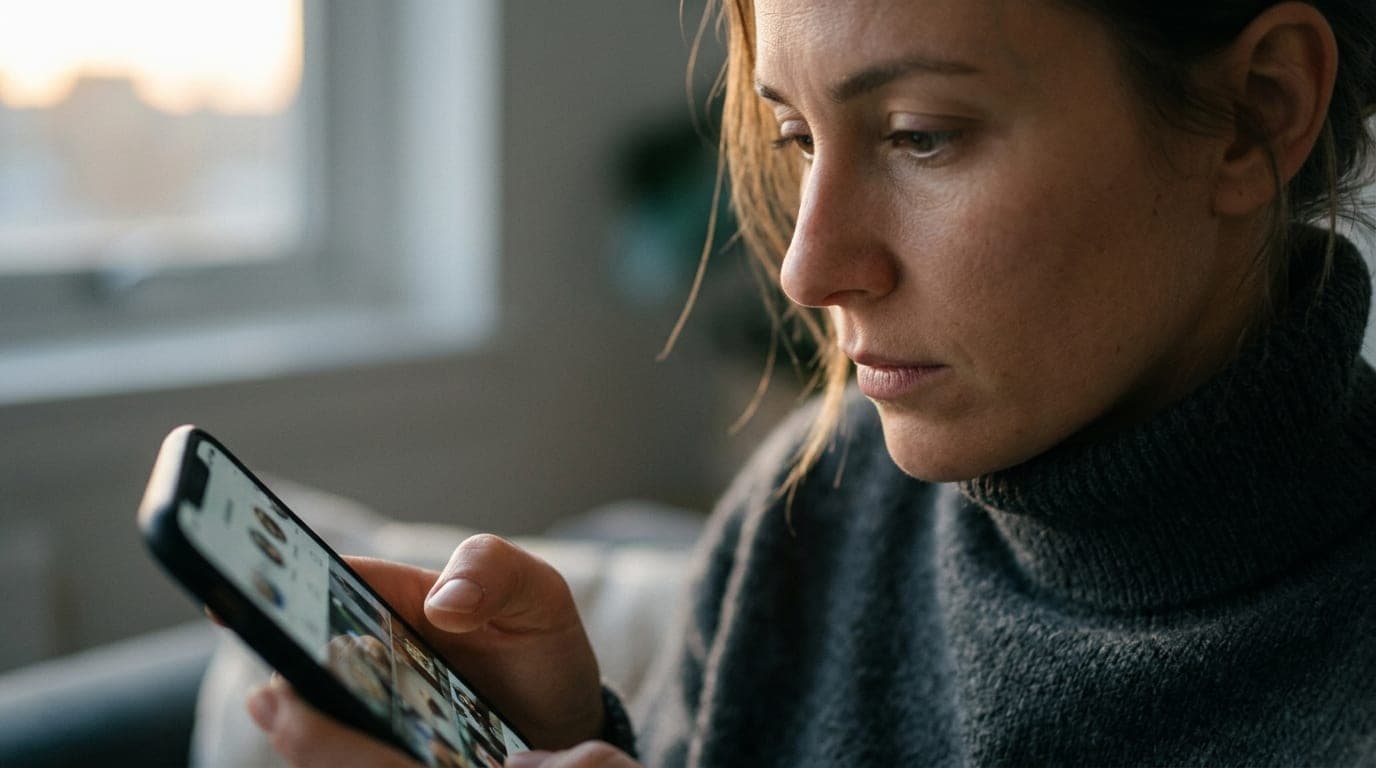
Audit and Curate Your Media Consumption: Unfollow social media accounts that sell romanticized, highly edited relationship content designed to make you feel deficient. Stop consuming content that frames single people as tragic or needy. Surround yourself with books, podcasts, and art that celebrate independence, solo travel, creative deep-dives, and non-traditional life paths.
When you implement these practices, your daily existence stops feeling like a transition period. You aren't "holding out" for anything; you are living a complete, dynamic life in real time.
Evaluating Solo Mindsets: The Art of Loving Being Single versus Avoidant Coping
Distinguishing the art of loving being single from avoidant defense mechanisms requires examining your underlying emotional motivation. True solo satisfaction emerges from peaceful alignment with yourself, whereas hyper-independence or avoidant coping stems from fear of vulnerability, past trauma, or protective emotional detachment disguised as modern self-care.
There is a dark side to the modern singlehood movement that we need to talk about honestly. It is very easy to confuse healthy self-reliance with emotional avoidance. Some people declare they are "loving the single life" when, in reality, they have built thick emotional walls because they are deeply terrified of being hurt, judged, or controlled by another person.
Hyper-independence is not empowerment; it is a trauma response. If your passion for being single relies on viewing all romantic partners as burdens, constantly looking for reasons to reject people at the first sign of imperfection, or refusing to ever compromise on anything, you haven't mastered singlehood—you've just insulated yourself from vulnerability.
To help you audit your relationship with solo living, let's break down the key differences between a healthy single mindset and avoidant coping:
Life Domain
Healthy Solo Living
Avoidant / Red Flag Coping
View of Relationships
Views partnership as a potentially wonderful addition to an already great life.
Views partnership as an inherent trap, a loss of freedom, or an unavoidable threat.
Reaction to Vulnerability
Comfortable being authentic with friends, family, and potential romantic prospects.
Equates vulnerability with weakness; suppresses emotional needs and avoids deep intimacy.
Handling Conflict & Discomfort
Communicates boundaries clearly and directly without burning bridges prematurely.
Ghosts, cuts people off at the slightest inconvenience, or uses "peace" as an excuse to run.
Motivation for Singlehood
Genuinely enjoys their own company, hobbies, personal growth, and daily freedom.
Driven by fear of rejection, past unresolved betrayals, or a need for absolute control.
If you find yourself sliding into avoidant patterns, recognize that true mastery of the art of loving being single includes keeping your heart soft. Loving your single life means you are strong enough to enjoy being alone *and* courageous enough to welcome love if a genuinely healthy, aligned opportunity presents itself.
Recognizing Boundaries: When the Art of Loving Being Single Is Compromised by Dating Fatigue
Preserving the art of loving being single while navigating the modern dating pool requires setting strict boundaries around your peace, time, and emotional bandwidth. You know your solo stability is compromised when dating feels like an exhausting obligation or when you tolerate disrespectful ambiguity to avoid returning home.
If you decide to keep your door open to dating while single, you must learn to protect your baseline peace. The modern dating landscape—dominated by algorithms, ghosting, fast-fashion romance, and endless options—is practically engineered to trigger burnout and self-doubt.
When you step onto the dating apps, it is remarkably easy to lose your footing. You start strong, but after three mediocre dates and two situationships that fizzled out during the talking stage, you find yourself back in an anxious, hyper-vigilant mindset. You begin over-analyzing text delays and compromising your schedule to accommodate people who haven't shown basic consistency.
When this happens, you need to pull back immediately. Dating should be an addition to your life, not a tax on your mental health. The second you notice that dating is eroding your self-worth or draining the joy out of your solo routine, pause your accounts. Delete the apps for thirty days. Re-ground yourself in your physical world, your hobbies, your friends, and your quiet mornings.
The ultimate test of loving being single is not how well you act when you are alone in your apartment; it is how fiercely you protect your peace when someone asks you to surrender it for crumbs of validation.
Your singlehood is your home base. Dating is just an optional excursion you take from time to time. If the excursion gets rainy and miserable, you don't keep standing in the storm—you simply walk back inside your dry, comfortable house and close the door.
---
Sponsored Content
Sponsored Content
The Art of Loving Being Single: How to Reclaim Your Autonomy Without Feeling Left Behind | PillowTalk Daily